
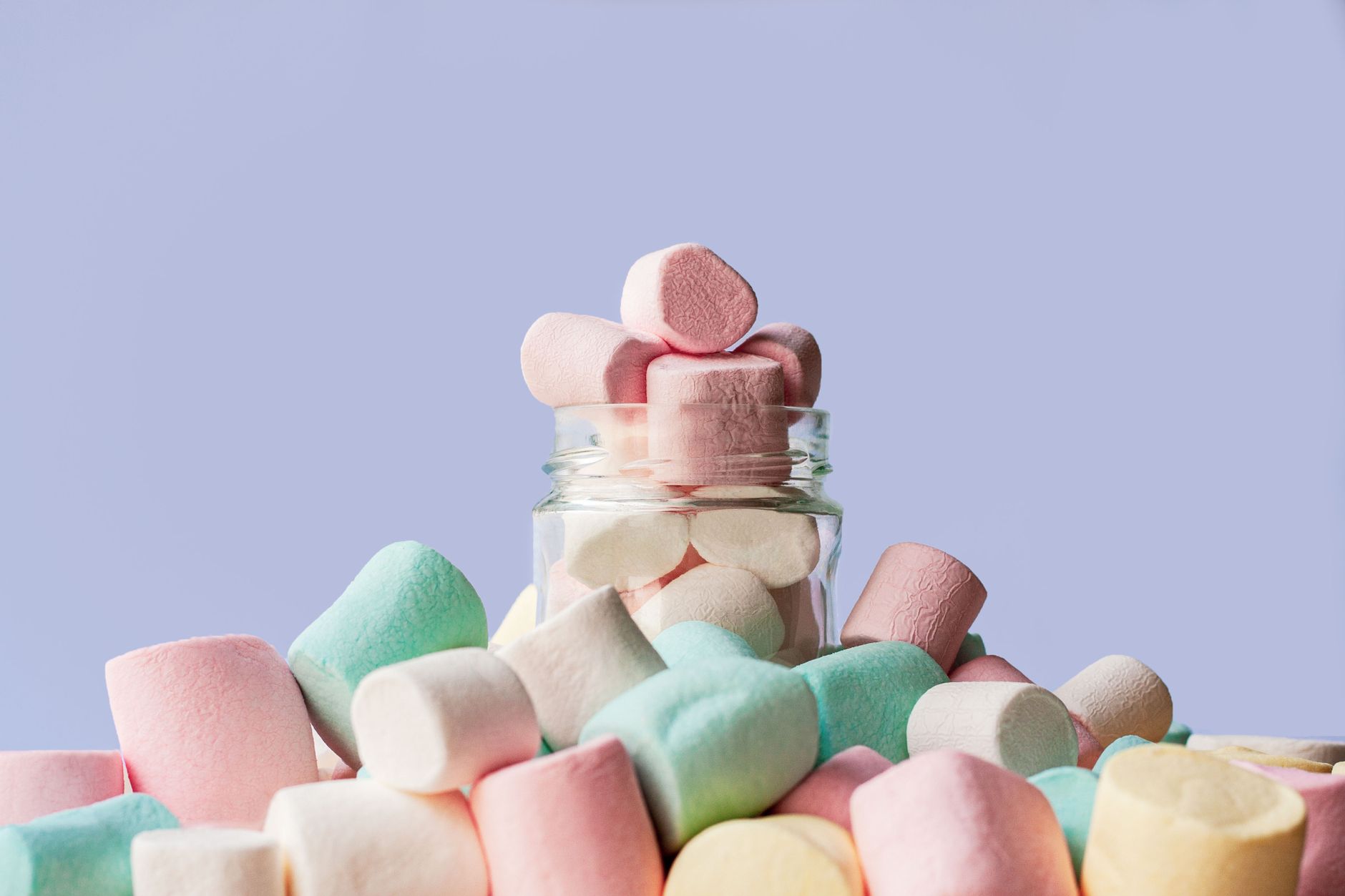
Marshmallow cream, also known as marshmallow fluff, is a sweet, fluffy spread that has become a beloved ingredient in various desserts and snacks. While its texture and taste make it highly popular, many people wonder if it is gluten-free, especially those with celiac disease or gluten sensitivity.
This article will explore what marshmallow cream is, its ingredients, and whether it is truly gluten-free. Additionally, we will provide tips on how to check for gluten in store-bought options, suggest gluten-free recipes using marshmallow cream, and explore potential substitutes.
Is Marshmallow Cream Gluten Free?
Yes, marshmallow cream is generally considered gluten-free. The primary ingredients in marshmallow cream are sugar, corn syrup, and egg whites, none of which naturally contain gluten. However, some brands may incorporate additives or flavorings that could introduce gluten, so it’s crucial to check product labels.
To ensure safety, look for products that are certified gluten-free or specifically state on the packaging that they do not contain gluten. This additional verification helps prevent cross-contamination during manufacturing.
Understanding Ingredients in Marshmallow Cream
To better understand the gluten content in marshmallow cream, let’s take a closer look at its key ingredients:
- Sugar: The main sweetener in marshmallow cream, it does not contain gluten.
- Corn Syrup: A sweet syrup derived from corn. Gluten-free by nature.
- Egg Whites: These provide the fluffy texture and stability. They are gluten-free.
- Vanilla Extract: Frequently added for flavor. Make sure it’s gluten-free as some processed versions may contain gluten.
Additional ingredients, such as stabilizers or emulsifiers, may vary by brand, so always investigate further if concerned about gluten content.
Checking Product Labels
When purchasing marshmallow cream, follow these steps to ensure gluten safety:
- Read the Label: Examine the ingredient list for any mention of wheat, barley, or rye.
- Look for Certifications: Brands that have certified gluten-free labels offer added assurance.
- Contact the Manufacturer: If you have doubts about a product, reach out to the brand for clarification.
- Avoid Generic Brands: Be cautious with store brands, as ingredient sources can vary greatly.
Popular Brands of Gluten-Free Marshmallow Cream
Several brands produce gluten-free marshmallow cream. Here are a few well-known ones:
- Fluff: One of the most popular marshmallow creams available, Fluff is gluten-free and widely used in various recipes.
- Kraft: Kraft’s marshmallow crème is also gluten-free and commonly found in stores.
- Homemade Marshmallow Cream: Making your own marshmallow cream is a gluten-free option where you can control all ingredients.
How to Make Your Own Marshmallow Cream
Making marshmallow cream at home is straightforward and allows you to customize flavors while ensuring it is gluten-free. Here’s a simple recipe:
Homemade Marshmallow Cream Recipe
Yield: Approximately 2 cups
Preparation Time: 10 minutes
Total Time: 10 minutes
Ingredients
- 1 cup granulated sugar
- 1/2 cup corn syrup
- 2 egg whites
- 1 teaspoon vanilla extract
- 1/4 teaspoon cream of tartar
Equipment
- Mixing bowl
- Electric mixer or whisk
- Measuring cups and spoons
- Spatula
- Container for storage
Instructions
- In a mixing bowl, combine sugar and corn syrup.
- Using an electric mixer, beat the egg whites with cream of tartar until you achieve soft peaks.
- Gradually add the sugar mixture to the egg whites while continuing to beat until stiff peaks form.
- Mix in vanilla extract for flavor.
- Store in an airtight container in the refrigerator for up to two weeks.
Ways to Use Marshmallow Cream
Marshmallow cream can be employed in various delightful ways. Below are some popular uses that highlight its versatility:
1. S’mores Treats
Spread marshmallow cream on a graham cracker, top with chocolate and another cracker. It’s a quick way to enjoy the classic campfire treat!
2. Frosting for Cakes and Cupcakes
Mix marshmallow cream with butter or cream cheese to create a fluffy frosting for cakes and cupcakes. This adds a sweet and light flavor that pairs well with chocolate cakes.
3. Fruit Dip
Dipping fresh fruits in marshmallow cream can turn a healthy snack into a sweet treat. Adding a little cinnamon or vanilla can enhance the flavor.
4. Filling for Cookies and Brownies
Use marshmallow cream as a filling in cookies or brownies. Sandwich it between two cookies or swirl it into brownie batter before baking.
5. Hot Cocoa Topping
Top a mug of hot cocoa with marshmallow cream for a decadent drink, adding some chocolate shavings for an extra treat.
Potential Substitutes for Marshmallow Cream
If you cannot find marshmallow cream or prefer not to use it, here are some gluten-free substitutes:
- Marshmallows: Melted marshmallows can be a direct substitute. Use approximately 2 cups of mini marshmallows melted down in place of 1 cup of marshmallow cream.
- Whipped Cream: For a lighter texture, consider using whipped cream sweetened with sugar; this works well in desserts but will alter the taste.
- Agave or Honey: These can be mixed with whipped egg whites for a sweet and sticky texture but won’t replicate the flavor entirely.
Common Mistakes When Using Marshmallow Cream
When incorporating marshmallow cream into recipes, avoid these common pitfalls:
- Not Understanding Texture: Marshmallow cream is sticky and doesn’t behave like typical spreads. Be accustomed to this when using in recipes.
- Overmixing: If you’re using it in mixtures like frosting, avoid overmixing, as it can become deflated and lose airiness.
- Serving Too Cold: Using marshmallow cream directly from the fridge can make it hard to spread. Let it sit at room temperature for a bit before using.
Storage and Shelf Life of Marshmallow Cream
Whether store-bought or homemade, marshmallow cream should be stored properly:
- Store-bought: Keep unopened jars in a cool, dry place. Once opened, refrigerate and consume within three to four weeks.
- Homemade: Use an airtight container for storage in the fridge; it’s best used within two weeks but can last longer if sealed properly.
If the texture changes or if you notice any off smells, discard it, as this may indicate spoilage.
Marshmallow Cream in Relation to Other Popular Gluten-Free Ingredients
In many recipes, marshmallow cream can complement other gluten-free ingredients. Here’s a brief overview of some popular gluten-free options:
- Rice: Like basmati rice, which is gluten-free, marshmallow cream can enhance sweet rice desserts.
- Almond Flour: Often used in gluten-free baking for cookies and cakes, it can be paired with marshmallow cream for added moisture and taste.
- GF Baking Mixes: Many gluten-free mixes exist for pancakes, cakes, and brownies. Adding marshmallow cream can enrich these baked goods.
In Conclusion
Marshmallow cream is generally gluten-free, making it a charming option for many snacks and desserts. Always check labels to be sure and feel free to explore recipes that utilize this delightful ingredient. From homemade marshmallow cream to versatile usage ideas, it can bring sweetness and fluffiness to many culinary creations.
For additional resources, you may want to explore whether basmati rice is gluten-free or try your hand at making gluten-free gnocchi as part of your gluten-free meal planning. Happy cooking!