
There’s something magical about the aroma of melting butter and brown sugar that wafts through the kitchen as you make Butterscotch Fudge. This rich, creamy treat is a nostalgic favorite, combining a delightful sweetness with a velvety texture that just melts in your mouth. With only a few simple ingredients, you can whip up this fudge in no time, making it an excellent choice for holiday gifts or a special dessert. Let’s dive into this indulgent recipe!
Why You’ll Love This Recipe
This Butterscotch Fudge is a delightful treat for anyone with a sweet tooth. Here’s why it’s worth making:
- Quick and easy to prepare.
- Decadently rich flavor with a smooth texture.
- Perfect for gifting or special occasions.
- Only requires a handful of ingredients.
- A crowd-pleaser that’s sure to impress.
My Experience Making This Recipe
I remember the first time I made this fudge; the kitchen filled with the aroma of caramelized sugar, and I couldn’t wait for it to set. When I finally took that first bite, I was transported back to my childhood, and it was a hit at our family gathering!
Watching the fudge transform from liquid to a glossy finish is almost as satisfying as eating it. My friends always ask for the recipe, and I love sharing this little piece of sweetness with them.
Recipe Overview
- Recipe Name: Butterscotch Fudge
- Servings: 16
- Prep Time: 10 minutes
- Cook Time: 20 minutes
- Total Time: 30 minutes
- Course: Dessert
- Cuisine: American
- Calories per Serving: 150
Equipment You Will Need
- Medium saucepan
- Wooden spoon or spatula
- 8-inch square baking dish
- Parchment paper
- Measuring cups and spoons
Ingredients for Butterscotch Fudge
- 1 cup unsalted butter
- 2 cups packed brown sugar
- 1 cup sweetened condensed milk
- 1 teaspoon vanilla extract
- 2 cups powdered sugar
Ingredient Notes and Substitutions
- Unsalted butter: Used for a rich flavor. You can substitute with salted butter, but reduce added salt in the recipe.
- Brown sugar: Adds depth and moisture. Light brown sugar can be used instead of dark brown for a milder flavor.
- Sweetened condensed milk: Provides creaminess. Evaporated milk can be a lower-sugar substitute but will change the texture slightly.
- Vanilla extract: Enhances flavor. You can use maple extract for a unique twist.
- Powdered sugar: Helps to achieve the right texture. Regular granulated sugar won’t work well in this recipe.
How to Make Butterscotch Fudge
Step 1: Prepare the Baking Dish
Line an 8-inch square baking dish with parchment paper, leaving some overhang. This makes it easy to lift the fudge out later.
Step 2: Melt the Butter
In a medium saucepan over medium heat, melt the unsalted butter. This will create the base for the fudge and add a rich flavor.
Step 3: Add Brown Sugar
Stir in the packed brown sugar, mixing well until combined. This step helps to caramelize the sugar, enhancing the fudge’s flavor.
Step 4: Incorporate Condensed Milk
Add the sweetened condensed milk and bring the mixture to a gentle boil. Stir constantly to prevent burning, as this is crucial for a smooth texture.
Step 5: Boil the Mixture
Allow the mixture to boil for about 5 minutes, continuing to stir. This helps to thicken the fudge and develop its rich flavor.
Step 6: Stir in Vanilla
Remove the saucepan from heat and stir in the vanilla extract. Adding it at this stage preserves the full flavor of the vanilla.
Step 7: Mix in Powdered Sugar
Gradually add the powdered sugar, mixing until smooth and creamy. This is where the fudge gets its delightful texture.
Step 8: Pour and Set
Pour the fudge into the prepared baking dish and spread it evenly. Let it cool at room temperature until set, which usually takes about 2 hours.
Pro Tip: Make sure to stir constantly when boiling to avoid scorching the mixture!
Tips for the Best Butterscotch Fudge
- Use a heavy-bottomed saucepan to distribute heat evenly.
- Be patient when mixing; lumps can form if you rush.
- Let the fudge cool completely before cutting to avoid crumbling.
- For a fun twist, consider adding nuts or chocolate chips before pouring into the dish.
- If you like a thicker fudge, increase the powdered sugar slightly.
Common Mistakes to Avoid
- Not stirring enough can lead to burning; keep that spoon moving.
- Using low-quality ingredients may affect the flavor; choose the best butter and sugar.
- Not allowing the fudge to cool completely can result in a messy cut.
- Boiling for too long can make the fudge grainy; stick to the suggested time.
Serving Suggestions
This fudge is delightful on its own but can be paired with other treats. Here are some ideas:
- Serve with a scoop of vanilla ice cream.
- Pair with a cup of coffee or tea for a cozy dessert.
- Add to a dessert platter with cookies and brownies.
- Chop into smaller pieces for a sweet addition to gift bags.
Variations to Try
- Add chopped nuts for a crunchy texture.
- Incorporate chocolate chips for a butterscotch-chocolate combo.
- Mix in a bit of sea salt for a salted butterscotch version.
- Use maple syrup in place of some brown sugar for a unique flavor.
Dietary Adaptations
- Gluten-free: This recipe is naturally gluten-free.
- Dairy-free: Use coconut oil and dairy-free condensed milk.
- Vegan: Substitute all dairy ingredients with plant-based alternatives.
- Low-carb/keto: Use sugar substitutes suitable for baking.
Storage and Reheating
Refrigerator
Store the fudge in an airtight container in the refrigerator for up to two weeks.
- Place parchment paper between layers to prevent sticking.
- Keep in a cool, dry place for best texture.
Freezer
You can freeze fudge for up to three months for longer storage.
- Wrap in plastic wrap and then aluminum foil for extra protection.
- Label with the date to keep track of freshness.
Reheating
Allow frozen fudge to thaw in the fridge overnight before serving. You can gently reheat it in the microwave in short intervals if needed.
- Heat in 10-second bursts to avoid melting completely.
- Let it cool slightly before serving again.
Nutrition Information
| Nutrient | Amount |
|---|---|
| Calories | 150 |
| Total Fat | 7g |
| Saturated Fat | 4g |
| Carbohydrates | 22g |
| Fiber | 0g |
| Sugar | 18g |
| Protein | 1g |
| Sodium | 30mg |
| Cholesterol | 20mg |
This nutritional information is an estimate and can vary based on specific ingredients used.
Frequently Asked Questions
Can I use dark brown sugar instead of light brown sugar?
Yes, dark brown sugar will add a richer flavor to the fudge.
Can I make this fudge ahead of time?
Absolutely! Fudge can be made several days in advance and stored properly.
How should I store leftover fudge?
Store in an airtight container in the refrigerator or freezer to keep it fresh.
What if my fudge is too soft?
If your fudge didn’t set properly, you can reheat it and add more powdered sugar to thicken it.
Can I add flavor variations to the fudge?
Yes! Feel free to add nuts, chocolate chips, or extracts to customize your fudge.
Final Thoughts
Making Butterscotch Fudge is a delightful experience that fills your home with sweet aromas and your heart with joy. I encourage you to try this recipe and share the love with your friends and family!
If you’re looking for more delicious fudge recipes, check out my Old-Fashioned Fudge Recipe or try this Vanilla Fudge Recipe for a different treat!
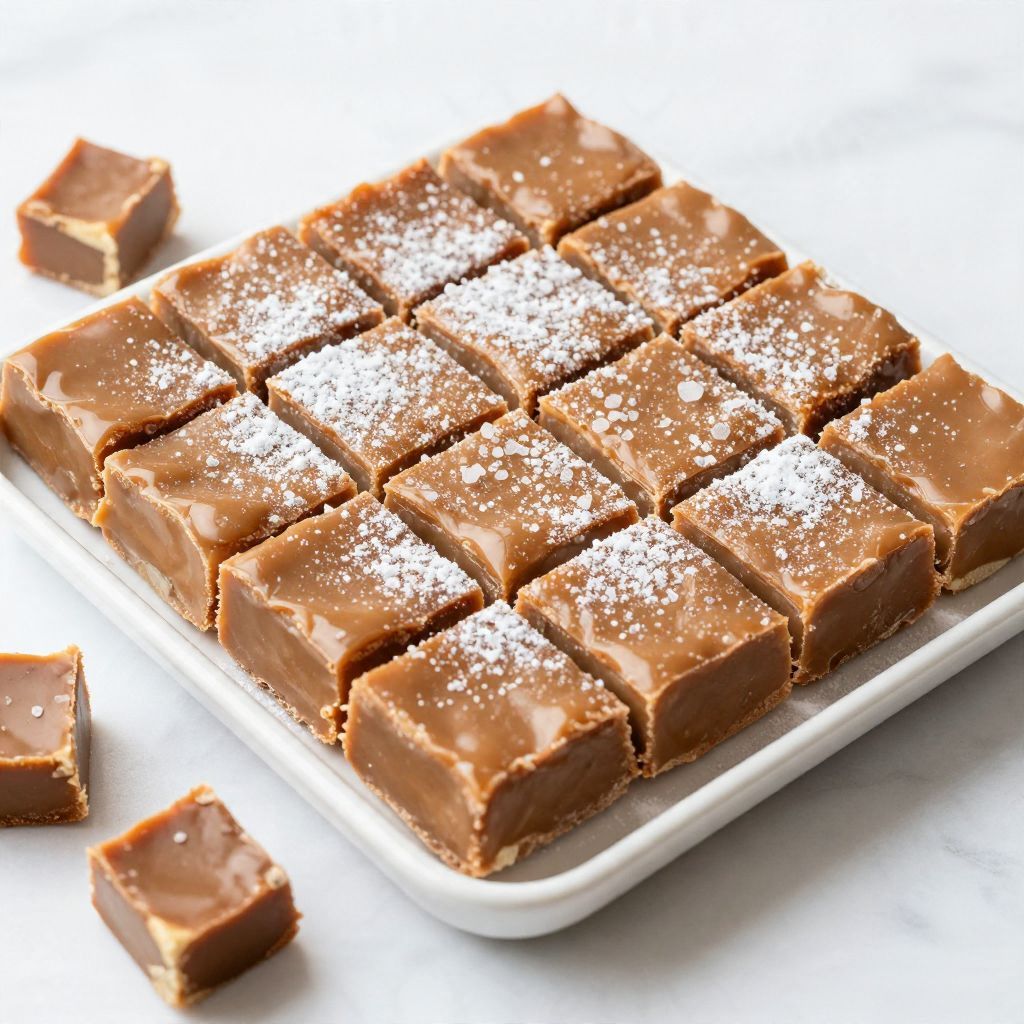
Butterscotch Fudge
Ingredients
Equipment
Method
- Line an 8-inch square baking dish with parchment paper, leaving some overhang.
- In a medium saucepan over medium heat, melt the unsalted butter.
- Stir in the packed brown sugar, mixing well until combined.
- Add the sweetened condensed milk and bring the mixture to a gentle boil, stirring constantly.
- Allow the mixture to boil for about 5 minutes, continuing to stir.
- Remove the saucepan from heat and stir in the vanilla extract.
- Gradually add the powdered sugar, mixing until smooth and creamy.
- Pour the fudge into the prepared baking dish and spread it evenly. Let it cool at room temperature until set, about 2 hours.