
The smell of rich chocolate melting on the stove is enough to transport you straight back to your grandmother’s kitchen, where she’d stir a pot of fudge with the kind of patience that only comes from making it a hundred times before.
Old Fashioned Fudge is the real deal: creamy, dense, and intensely chocolatey without any of the fancy ingredients or equipment that modern recipes demand.
This recipe delivers that perfect snap when you bite into it, followed by a melt-in-your-mouth texture that store-bought candy can’t touch.
The beauty of this fudge lies in its simplicity and reliability, making it a go-to treat for holidays, gifts, or whenever you need something homemade that tastes like pure nostalgia.
Why You’ll Love This Recipe
This version stays true to traditional methods while delivering consistent results every single time you make it.
- Requires only five basic pantry staples with no corn syrup or artificial ingredients
- Ready to eat in under an hour from start to finish
- Comes out perfectly creamy and fudgy with a satisfying snap
- Makes enough to fill a whole pan, perfect for sharing or keeping on hand
- No thermometer required if you know the simple cold water test
My Experience Making This Recipe
I first made this fudge after finding my mother’s old recipe card, written in her handwriting with notes about timing and texture scattered in the margins.
The first batch came out absolutely perfect, and I remember pressing my fork into that warm fudge and watching it hold its shape with just the slightest give.
My kids actually stopped what they were doing to taste it, which never happens, and my mom got a little teary when I told her it tasted exactly like hers.
Since then, I’ve made it dozens of times, and it’s become the candy I reach for when I want to impress without stress.
Recipe Overview
- Recipe Name: Old Fashioned Fudge
- Servings: 32 pieces
- Prep Time: 15 minutes
- Cook Time: 15 minutes
- Total Time: 45 minutes (including cooling)
- Course: Dessert
- Cuisine: American
- Calories per Serving: 120
Equipment You Will Need
- Heavy-bottomed saucepan (3 to 4 quart capacity)
- Wooden spoon or silicone spatula for stirring
- Candy thermometer (optional but helpful)
- 8×8 inch baking pan
- Parchment paper or wax paper
- Shallow bowl filled with cold water (for the cold water test)
- Butter knife for cutting
Ingredients for Old Fashioned Fudge
- 2 cups granulated sugar
- 3/4 cup unsweetened cocoa powder
- 1 cup whole milk
- 4 tablespoons unsalted butter
- 1 teaspoon vanilla extract
- 1/4 teaspoon salt
Ingredient Notes and Substitutions
- Granulated sugar is the base that reaches the right texture and crystallizes properly when cooled. You can substitute with light brown sugar for a slightly deeper flavor, though the texture will be marginally softer.
- Unsweetened cocoa powder provides the pure chocolate taste without added sugar that would throw off the balance. Dutch-processed cocoa works fine and yields a darker, slightly richer result.
- Whole milk creates the creamy base and helps the sugar dissolve evenly. Half-and-half makes richer fudge but can cause it to be oily; evaporated milk also works and creates denser texture.
- Unsalted butter gives you control over the salt content and richness. Salted butter works, just reduce the salt to an eighth teaspoon to avoid oversalting.
- Vanilla extract brightens the chocolate flavor and adds warmth. Almond extract creates an interesting variation but use only half a teaspoon as it’s more potent.
How to Make Old Fashioned Fudge
Step 1: Prepare Your Pan
Line your 8×8 inch baking pan with parchment paper or wax paper, letting the edges hang over the sides for easy removal later. This prevents the fudge from sticking and makes cutting cleaner.
Step 2: Combine Dry Ingredients
In your heavy saucepan, whisk together the sugar and cocoa powder thoroughly, breaking up any lumps in the cocoa. This ensures even distribution of cocoa throughout the mixture so you get consistent chocolate flavor in every piece.
Step 3: Add the Milk
Pour the milk into the sugar and cocoa mixture, stirring constantly with a wooden spoon until you have a smooth paste with no dry streaks. The mixture will look thick and almost muddy at this point, which is exactly right.
Step 4: Cook Over Medium Heat
Place the saucepan over medium heat and add the butter, stirring occasionally as everything melts together. Once the mixture is smooth and the butter is fully incorporated, stop stirring and let it bubble gently for about 8 to 10 minutes without touching it.
Resisting the urge to stir is hard, but it allows the sugar to reach the proper temperature for that perfect fudgy texture.
Step 5: Test for Doneness Using Cold Water
Drop a small amount of hot fudge into your bowl of cold water; it should form a soft ball that holds together but still gives slightly when you press it. If it’s still too soft and dissolves, let it cook another minute and test again.
This soft-ball stage around 236 to 238 degrees Fahrenheit is what creates that snap combined with creaminess.
Step 6: Cool Slightly Before Adding Flavorings
Remove the saucepan from heat and let it cool for about 3 to 5 minutes without stirring, just sitting on the counter. Add the vanilla extract and salt, stirring very gently just a few times to distribute them throughout.
Step 7: Beat the Fudge
Using your wooden spoon, stir the fudge vigorously for about 5 to 7 minutes until it thickens, loses its glossy shine, and starts to look slightly granular at the edges. This is the magic step that creates the creamy, fudgy texture; the vigorous stirring causes tiny sugar crystals to form.
You’ll feel the difference as it becomes harder to stir, which signals it’s ready to pour.
Step 8: Pour and Set
Quickly pour the fudge into your prepared pan, using your spatula to smooth the top into an even layer. Work fast because the fudge sets quickly once beaten.
Let it cool at room temperature for at least 30 minutes, then refrigerate for another 15 minutes to fully set before cutting.
Pro Tip: The most important step is the beating stage after cooling; this is what separates homemade fudge from a chocolate pudding, so don’t skimp on the vigor or time spent stirring.
Tips for the Best Old Fashioned Fudge
- Use a candy thermometer if you have one; it removes the guesswork and makes perfect fudge every time. Clip it to the side of the pan and watch for 236 to 238 degrees Fahrenheit.
- Don’t substitute margarine for butter; the flavor and texture suffer noticeably, and real butter is what makes this taste homemade.
- Keep the heat at medium and resist turning it up to speed things along; high heat causes the fudge to become grainy and separated.
- Cut the fudge while it’s still slightly cool but not rock hard; use a sharp knife dipped in hot water and wiped clean between cuts for neat edges.
- Store pieces in an airtight container with parchment between layers so they don’t stick together and pick up other flavors from the fridge.
Common Mistakes to Avoid
- Stirring too much during cooking causes unwanted crystallization and grainy texture; let it bubble undisturbed after the butter melts.
- Not beating the cooled fudge long enough results in a texture that’s too soft and pudding-like instead of fudgy and snappy.
- Adding vanilla while the mixture is too hot causes it to evaporate, losing its flavor contribution; always wait a few minutes after removing from heat.
- Using low-quality cocoa powder creates muddy chocolate flavor that tastes flat and lifeless; splurge slightly on decent cocoa.
- Opening the fridge too early or cutting before the fudge fully sets causes it to crumble and fall apart instead of slicing cleanly.
Serving Suggestions
Serve this fudge after dinner as an elegant sweet, or package it in a pretty box as a gift that tastes infinitely better than store-bought candy.
- Pair with strong black coffee or espresso to balance the sweetness
- Serve alongside vanilla ice cream for a simple but satisfying dessert
- Crumble pieces over brownies or chocolate cake for extra richness
- Give as holiday gifts wrapped in wax paper and tied with ribbon
- Serve at room temperature alongside fresh berries for contrast
Variations to Try
- Peanut Butter Fudge: Reduce cocoa powder to 1/2 cup and add 1/2 cup natural peanut butter during the beating stage for a creamy, nutty twist that’s equally addictive.
- Salted Chocolate Fudge: Sprinkle fleur de sel on top of the finished fudge before it fully hardens to add a sophisticated salty contrast that makes the chocolate sing.
- Espresso Fudge: Dissolve 2 tablespoons instant espresso powder in the milk before adding it to create a deeper, more adult chocolate flavor with subtle coffee notes.
- Mint Chocolate Fudge: Replace vanilla with 1/2 teaspoon mint extract and a tiny pinch of green food coloring for a refreshing twist that tastes like mint chocolate chip dreams.
- Maple Fudge: Substitute 1/2 cup of the milk with pure maple syrup for an earthy, autumnal flavor that pairs beautifully with the cocoa.
Dietary Adaptations
- Gluten-Free: This recipe is naturally gluten-free as written since none of the ingredients contain gluten; no adaptation needed.
- Dairy-Free: Use coconut milk or almond milk in place of whole milk and vegan butter instead of regular butter; the texture will be slightly less creamy but still delicious.
- Vegan: Follow the dairy-free version above, ensuring your cocoa powder and sugar are certified vegan; the flavor remains identical.
- Low-Carb or Keto: Substitute monk fruit sweetener or erythritol for sugar in a one-to-one ratio, though you may need to adjust beating time as the mixture behaves differently.
Storage and Reheating
Refrigerator
Store your fudge in an airtight container with parchment paper between layers to prevent sticking and absorption of fridge odors.
- Lasts for up to 3 weeks refrigerated
- Remove from fridge 15 minutes before serving for softer texture
- Keep away from strong-smelling foods
Freezer
Fudge freezes beautifully, making it perfect for preparing ahead for parties or gift-giving.
- Freezes for up to 2 months in an airtight container
- Use parchment paper between layers to prevent clumping
- Thaw at room temperature for about an hour before serving
Reheating
This fudge doesn’t require reheating since it’s eaten at room temperature or chilled; simply remove from storage and enjoy.
- If fudge becomes too hard, let it sit out for 15 to 20 minutes
- Never microwave as it will separate and lose texture
Nutrition Information
| Nutrient | Amount |
|---|---|
| Calories | 120 |
| Total Fat | 4g |
| Saturated Fat | 2.5g |
| Carbohydrates | 20g |
| Fiber | 1g |
| Sugar | 18g |
| Protein | 1g |
| Sodium | 85mg |
| Cholesterol | 8mg |
These values are approximations based on standard ingredient databases and serving size of 32 pieces from one batch.
Frequently Asked Questions
Can I Make This Fudge Without a Thermometer?
Absolutely, the cold water test works perfectly and has been used for generations before thermometers were common. Drop a small amount into cold water and it should form a soft ball that holds its shape but gives slightly under pressure.
What If My Fudge Turned Out Too Soft?
You likely didn’t cook it to soft-ball stage; it was removed from heat too early. Next time, cook a minute or two longer before testing in cold water, or beat it more vigorously for longer during the stirring stage.
Can I Make a Larger Batch?
Yes, simply double or triple the recipe and use a larger pan, though the cooking time may extend by a few minutes. Stir the same way and use the cold water test to check doneness regardless of batch size.
Why Did My Fudge Come Out Grainy?
Graininess usually means the mixture was stirred too much during cooking or the heat was too high, causing sugar crystals to form before beating. Keep heat at medium and let the mixture bubble undisturbed once the butter melts.
How Do I Package This for Gifts?
Cut fudge into squares, wrap each piece in wax paper, and arrange in a small box lined with parchment, or stack in a glass jar with paper between layers tied with twine for a rustic touch.
Final Thoughts
This Old Fashioned Fudge recipe proves that you don’t need fancy equipment, exotic ingredients, or complex techniques to create candy that tastes like it came from a professional chocolatier. The straightforward method and reliable results make it something you’ll return to again and again.
Your first batch might feel a little intimidating, but once you nail that soft-ball stage and feel how satisfying the beating stage is, you’ll be making this fudge for every celebration, every gift, and every craving that strikes.
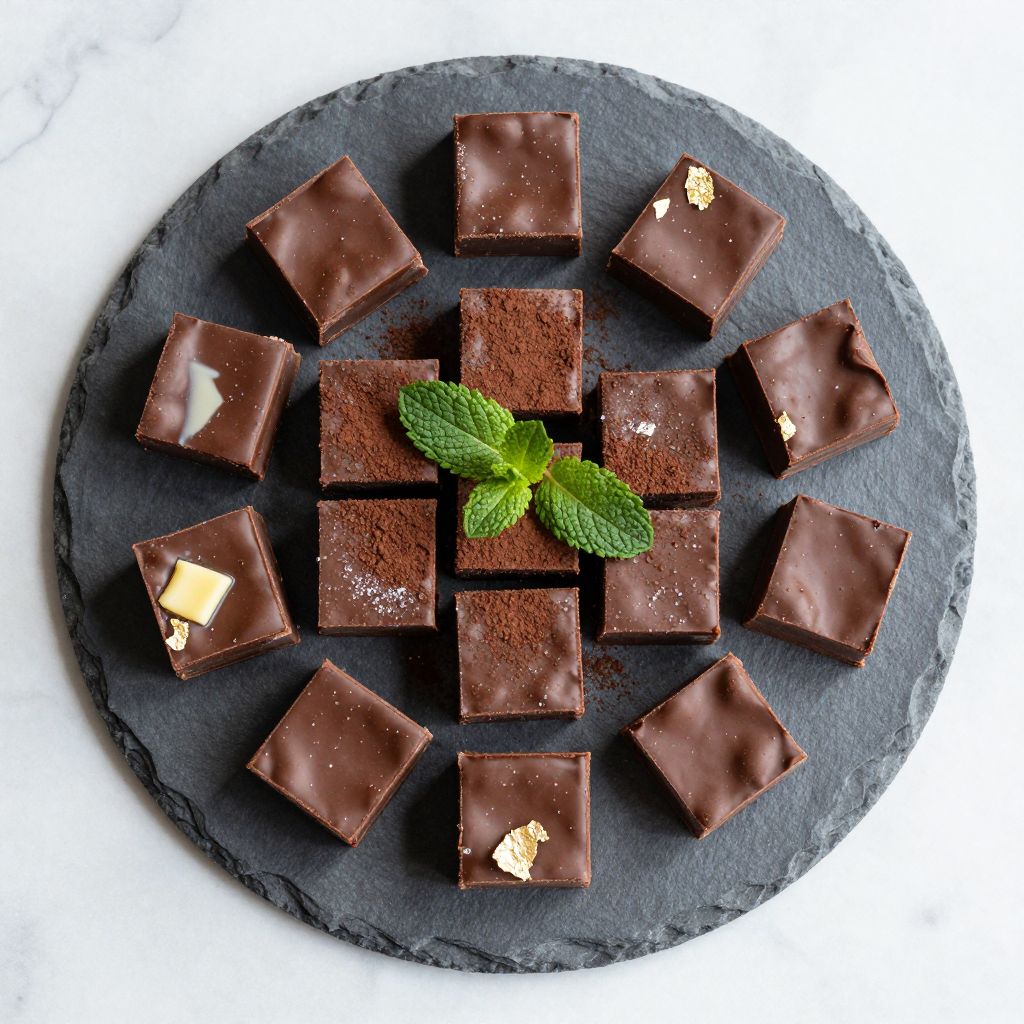
Old Fashioned Fudge
Ingredients
Equipment
Method
- Line your 8x8 inch baking pan with parchment paper or wax paper, letting the edges hang over the sides for easy removal later.
- In your heavy saucepan, whisk together the sugar and cocoa powder thoroughly, breaking up any lumps in the cocoa.
- Pour the milk into the sugar and cocoa mixture, stirring constantly with a wooden spoon until you have a smooth paste with no dry streaks.
- Place the saucepan over medium heat and add the butter, stirring occasionally as everything melts together. Once the mixture is smooth and the butter is fully incorporated, stop stirring and let it bubble gently for about 8 to 10 minutes without touching it.
- Test for doneness by dropping a small amount of hot fudge into your bowl of cold water; it should form a soft ball that holds together but still gives slightly when you press it (236 to 238 degrees Fahrenheit). If it's still too soft and dissolves, let it cook another minute and test again.
- Remove the saucepan from heat and let it cool for about 3 to 5 minutes without stirring. Add the vanilla extract and salt, stirring very gently just a few times to distribute them throughout.
- Using your wooden spoon, stir the fudge vigorously for about 5 to 7 minutes until it thickens, loses its glossy shine, and starts to look slightly granular at the edges.
- Quickly pour the fudge into your prepared pan, using your spatula to smooth the top into an even layer. Let it cool at room temperature for at least 30 minutes, then refrigerate for another 15 minutes to fully set before cutting.