
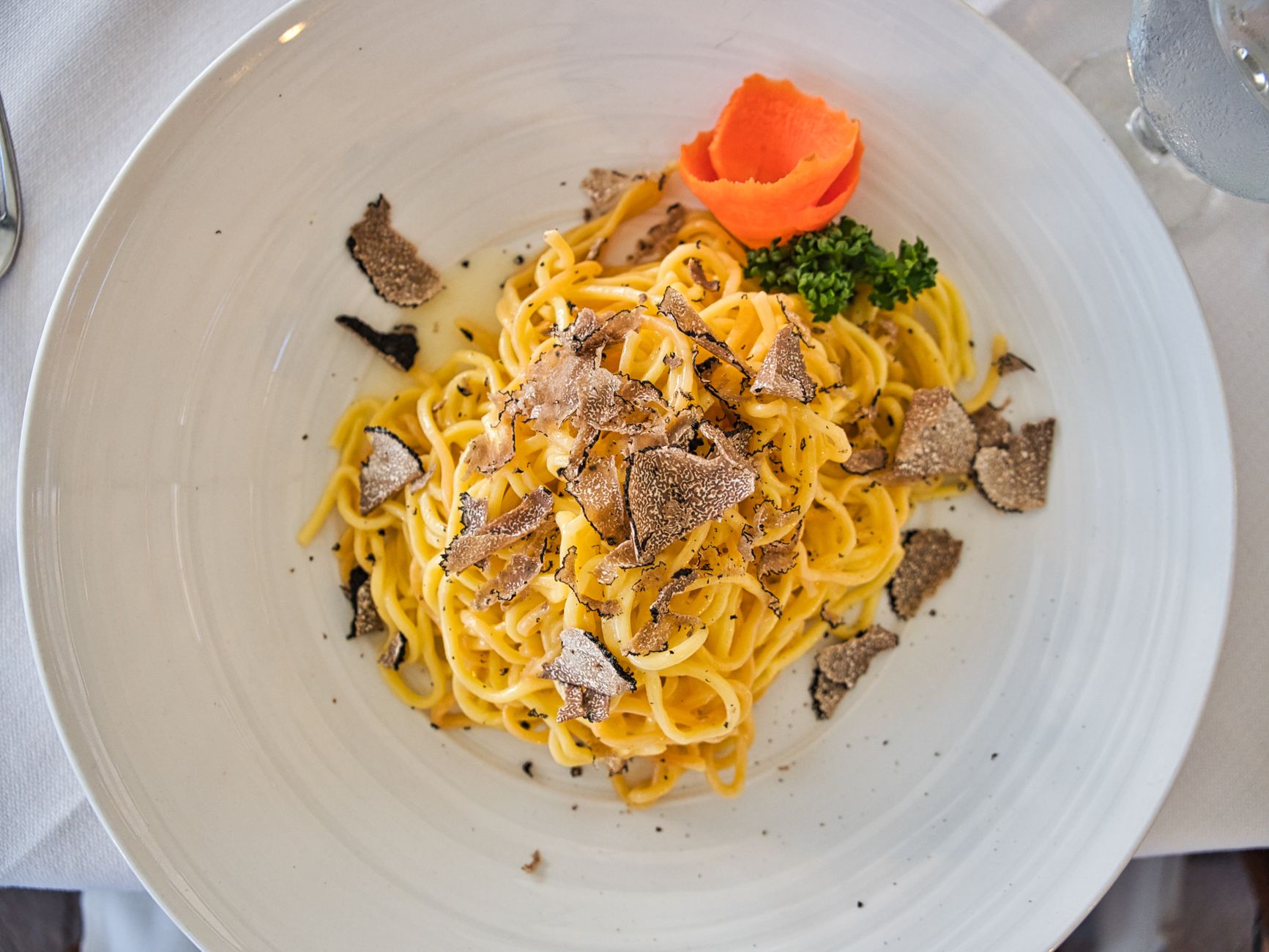
Truffles, a gourmet ingredient held in high esteem in the culinary world, captivate food lovers with their distinct flavors and aromas. While they may be known for their high price and luxurious status, understanding what truffles taste like can enhance your culinary creations and elevate your dining experiences.
This article delves into the flavor profile, texture, and ideal pairings for truffles. It aims to provide a comprehensive understanding of this unique ingredient, empowering you to incorporate truffles into your cooking with confidence.
What Does Truffles Taste Like?
Truffles have a complex and unique taste that is often described as earthy, musky, and slightly nutty. Their aroma is potent and pungent, reminiscent of garlic and a rich earthiness, which adds depth to various dishes. The flavor characteristics can depend on the type of truffle and how they are prepared or used in cooking.
Types of Truffles and Their Distinct Flavors
Understanding the different types of truffles can help you appreciate their flavors and select the right variety for your culinary endeavors. Here are the most common types:
Black Truffles (Tuber melanosporum)
Renowned for their robust flavor, black truffles have an earthy and woody taste profile characterized by a deep musky aroma. They are prevalent in French cuisine and commonly used in sauces, risottos, and pasta dishes. The flavor intensifies when cooked, making them suitable for savory dishes where they can shine.
White Truffles (Tuber magnatum)
White truffles are prized for their delicate and unique flavor. They are often described as having a garlic-like taste with hints of cheese and shallots. Their aroma is intense and somewhat provocative, making them a popular choice for finishing dishes or incorporating into simple preparations, such as pasta or risotto, where their flavor can take center stage.
Summer Truffles (Tuber aestivum)
Summer truffles have a milder flavor than their black and white counterparts. They possess a subtle earthiness with a slightly nutty taste. While they are less aromatic, they can still enhance dishes without overpowering them. Summer truffles perform well when used in salads, egg dishes, or light sauces.
Describing the Texture of Truffles
Truffles have a firm, slightly crunchy texture that can vary depending on their type and ripeness. Fresh truffles are often moist and can be shaved or grated over dishes to release their aromatic oils. Their texture lends itself well to being infused into oils or used to create sauces, allowing their unique characteristics to permeate various ingredients. When cooked, truffles can soften slightly but still retain a dish’s overall texture.
Flavor Pairings with Truffles
Choosing the right ingredients to complement truffles is key to creating dishes that resonate with their unique flavor profile. Here are some of the best pairings:
Rich Sauces and Creamy Dishes
Dishes that feature rich sauces or creaminess work exceptionally well with truffles. Cream-based sauces, such as alfredo or béchamel, allow truffles to infuse their flavors beautifully. Consider adding sliced or grated truffles to risottos, gourmet mac and cheese, or creamy soups for an indulgent touch.
Meats and Game
Truffles elevate the taste of meats, particularly those that are richer or fattier. Beef, duck, and game birds like pheasant or venison pair well with truffle-infused oils or slices. Try enhancing a simple roast chicken or steak by finishing it with truffle butter or drizzling it with truffle oil.
Eggs and Cheese
The natural richness of eggs and cheese complements truffles seamlessly. Truffle shavings over scrambled eggs, omelets, or poached eggs create a luxurious breakfast. Similarly, incorporating truffles into cheese dishes, like cheese fondues or creamy cheese spreads, will add depth and flavor.
Pasta and Risotto
Pasta dishes, especially those prepared with minimal ingredients, serve as a perfect canvas for showcasing truffles. Simple aglio e olio (garlic and oil) or pasta with butter pair beautifully with the flavor of truffles. For risottos, adding truffles at the end of cooking allows their flavors to meld without being diminished.
Vegetables and Potatoes
Truffles also enhance the flavors of various vegetables, particularly earthy ones like mushrooms, potatoes, and asparagus. Whether using truffle oil to dress roasted vegetables or shaving fresh truffles over risotto or mashed potatoes, their umami depth will elevate the overall dining experience.
How to Use Truffles
When utilizing truffles in your cooking, be mindful of when and how to add them to your dishes for maximum flavor:
Purchasing Truffles
Always look for firm, heavy truffles with a potent aroma when purchasing fresh truffles. If you’re buying truffle oil or truffle-infused products, ensure they contain real truffle extract for an authentic flavor. Cooking and storing them properly will help you retain their quality and flavor.
Preparation Methods
Truffles can be used in various forms:
- Shaving: Thinly slicing fresh truffles over warm dishes allows for their flavor and aroma to release, providing a burst of taste in each bite.
- Grating: Use a microplane to finely grate truffles into sauces, omelets, or pasta for an even distribution of flavor.
- Infusing: Truffle oil can be drizzled over finished dishes or used as a cooking fat for sautéing vegetables or meats.
- Storage: Store fresh truffles in a breathable container, like rice or paper towels, in the refrigerator to maintain freshness. Use them within a week for the best flavor.
Common Mistakes When Cooking with Truffles
When incorporating truffles into your cooking, avoid these common pitfalls:
- Overcooking: Truffles should be added to dishes at the end of cooking or just before serving to preserve their delicate flavors and aromas. Long cooking times can diminish their potency.
- Using too much: Due to their strong flavor, it is important to use truffles sparingly. A little goes a long way, and overuse can overwhelm other flavors in the dish.
- Ignoring freshness: Always prioritize using fresh truffles over preserved products when quality matters. Fresh truffles provide the best flavor and aroma.
Incorporating Truffles into Everyday Cooking
While truffles are often associated with high-end cuisine, they can find a place in everyday cooking with thoughtful use. Here are a few tips to incorporate truffles without breaking the bank:
Truffle Oil vs. Fresh Truffles
Using truffle oil can be a more economical way to enjoy truffle flavor without purchasing fresh truffles. Look for high-quality truffle oil infused with real truffles to ensure authenticity. Drizzle sparingly over pasta dishes, risottos, or popcorn for a truffle flair.
Accessibility of Less Expensive Truffle Products
Explore truffle-infused salts or sauces to add truffle flavor to dishes without needing fresh truffles or oils. These products can offer a more subtle truffle essence and can be a useful addition to your pantry.
Truffle Seasonings
Adding truffle seasoning blends to your cooking can enhance simple dishes. Use them for seasoning meats, vegetables, and pasta to give ordinary meals a gourmet touch.
Truffles in Fine Dining
Understanding the flavor of truffles helps appreciate their position in fine dining establishments. Truffles are often used to elevate classic dishes, turning everyday ingredients into luxurious experiences. Fine dining restaurants often utilize truffles in tasting menus, pairing them with seasonal ingredients to create memorable culinary experiences.
Conclusion
Truffles provide an exceptional culinary experience with their distinct flavors and aromas that can elevate a range of dishes. By understanding the different types of truffles, their flavor profiles, and how to incorporate them effectively into your cooking, you can enjoy the unique taste they offer and add a touch of luxury to your meals. Consider starting with truffle oils or salts if you’re hesitant to use fresh truffles, and experiment to find your perfect pairings.
To further enrich your understanding of unique ingredients, explore what saffron tastes like or learn about the flavors of thyme in our other articles.