
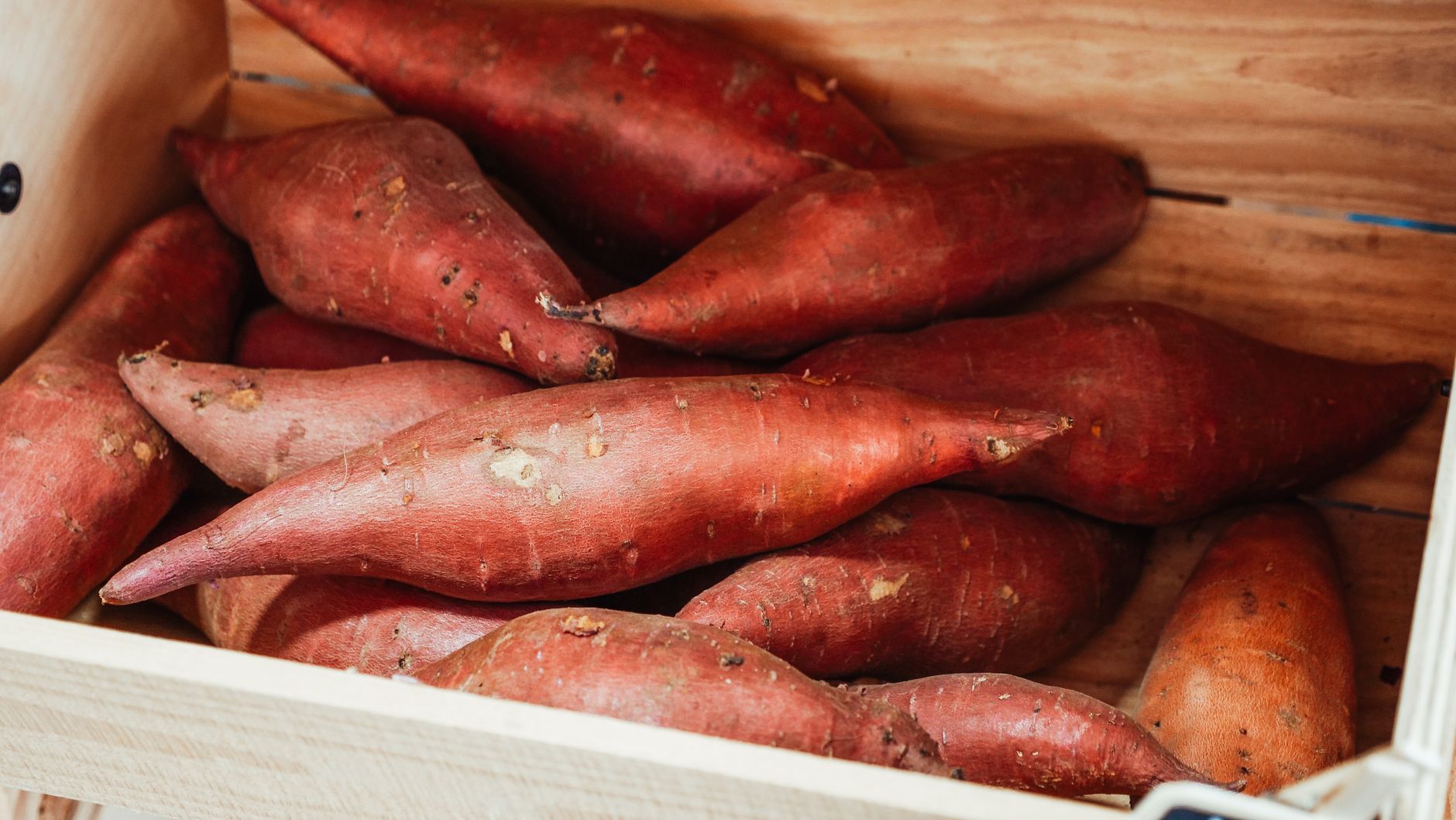
The boniato, often dubbed the “white sweet potato,” is a versatile tuber celebrated in various cuisines, particularly in Latin America and the Caribbean. Known for its creamy texture and subtly sweet flavor, it can serve as a delightful ingredient in numerous dishes. This article will explore the characteristics, uses, flavor profile, and ways to serve boniatos.
Understanding boniatos can elevate your culinary creations, whether you’re looking to incorporate them into savory meals, desserts, or as a healthy snack. With a variety of preparation techniques available, boniatos can truly shine in any setting.
What Is a Boniato?
Boniato is a type of sweet potato native to tropical regions, distinctly different from its better-known cousin, the orange-fleshed sweet potato. It features a pale, creamy flesh and a russet or light brown skin. Boniatos are often confused with other types of sweet potatoes due to their similarities, but their taste, texture, and culinary applications set them apart.
Flavor and Texture Profile
Boniatos have a sweet yet subtle flavor, akin to chestnuts or regular sweet potatoes but less pronounced. Their texture is creamy and smooth, making them an excellent choice for mashing, roasting, or baking. The sweetness of boniatos becomes more pronounced when cooked, and they take well to various seasonings and accompaniments.
Choosing and Storing Boniato
When selecting boniato, look for firm tubers without any soft spots, blemishes, or sprouting. A fresh boniato should feel heavy for its size and have smooth skin. Avoid those that are shriveled or have unusual dark spots.
For storage, boniatos should be kept in a cool, dark, and dry place, ideally at room temperature. They can typically remain fresh for several weeks if stored properly. However, once cut, any leftover pieces should be refrigerated in an airtight container and consumed within a few days to maintain freshness.
How to Prepare Boniato
Preparing boniatos is quite simple, and they can be cooked using various methods. Here are a few popular techniques for cooking boniatos:
1. Boiling
- Peel the boniato and cut it into uniform chunks.
- Place them in a pot and cover with water.
- Add a pinch of salt and bring the water to a boil.
- Reduce the heat and let simmer until tender, typically about 15-20 minutes.
- Drain and mash or serve as desired.
2. Baking
- Preheat the oven to 400°F (200°C).
- Wash and prick the skin of the boniato with a fork to allow steam to escape.
- Wrap them in foil (optional) and place on a baking sheet.
- Bake for 45-60 minutes, or until soft when pierced with a fork.
- Let cool slightly before slicing open and serving.
3. Roasting
- Preheat your oven to 425°F (220°C).
- Peel and cut the boniato into cubes or wedges.
- Toss with olive oil, salt, and any desired spices.
- Spread in a single layer on a baking sheet.
- Roast for 25-30 minutes, flipping halfway through, until golden and crispy.
4. Mashed Boniato
- Cook the boniato using the boiling method mentioned above.
- Once soft, drain and return to the pot.
- Add butter, milk, salt, and pepper to taste.
- Mash until smooth for a creamy side dish.
Flavor Pairings
Boniatos’ gentle sweetness allows them to pair well with a wide array of flavors. Here are some delicious combinations:
- Herbs and Spices: Rosemary, thyme, cinnamon, and nutmeg complement the natural sweetness.
- Sweeteners: Maple syrup and honey enhance the sweetness, making for a delectable dish.
- Cheese: Feta, goat cheese, or cheddar add a savory contrast.
- Citrus: Ingredients like lime or lemon zest can brighten the flavor.
- Proteins: Boniatos can serve as a side to grilled chicken, pork, or beans for a protein boost.
Serving Suggestions
Boniato can be served in various ways, depending on meal preferences. Here are a few ideas on how to serve boniatos:
1. As a Side Dish
Mashed or roasted boniato can be a lovely side dish to accompany meats. Their mild flavor pairs nicely with grilled chicken or roasted pork. Additionally, consider adding them to a vegetable medley for a colorful presentation.
2. In Salads
Roasted cubes of boniato can add substance and sweetness to salads. Pair them with greens, cranberries, nuts, and a light vinaigrette for a well-rounded dish.
3. In Soups and Stews
Boniatos can be added to soups or stews in place of regular potatoes or carrots. Their natural sweetness works wonderfully in hearty vegetable or bean-based soups.
4. Casseroles
Incorporate boniatos into casseroles, either by layering them or using them instead of pasta or rice for a healthy alternative.
5. Desserts
For a unique twist, boniato can be used to create delicious desserts such as pies and soufflés. Their sweetness provides a lovely base for both flavors and textures.
Common Mistakes When Cooking Boniato
While cooking boniato is straightforward, avoiding some common pitfalls can enhance the final dish:
- Not checking for doneness: Always ensure the boniato is tender before serving, as undercooking can result in a starchy texture.
- Adding too much water: When boiling, avoid adding excessive water. Just enough to cover the pieces will do, as too much can dilute flavor.
- Delaying seasoning: Seasoning during cooking helps enhance flavors. Add salt or spices early to allow them to penetrate the tuber.
Substitutes for Boniato
If boniatos are unavailable, several alternatives can be used, depending on the desired dish:
- Sweet Potatoes: Similar flavor but generally sweeter. Adjust seasoning accordingly.
- Yams: A firmer texture but provides a similar earthy sweetness.
- Carrots: Give a contrasting sweetness and crunch when roasted or in salads.
- Butternut Squash: A sweet alternative for soups and casseroles; modify cooking time based on thickness.
Health Benefits of Boniato
Boniato is not only versatile but also packs essential nutrients and benefits:
- Rich in Fiber: Good for digestive health and helps regulate blood sugar levels.
- Low Glycemic Index: Suitable for those monitoring blood sugar, as it has a lower impact compared to other starches.
- Vitamins and Minerals: Boniatos are an excellent source of vitamin C, potassium, and antioxidants.
Cultural Significance and Usage
Boniato holds cultural significance in many regions, especially in Latin American countries where it is renowned for its rich flavor and health benefits. In Cuba, for example, boniatos are often served simply boiled or mashed, while in Puerto Rico, they are sometimes included in traditional dishes alongside other root vegetables.
Final Thoughts
Boniato is a delicious and nutritious addition to any meal, bringing both versatility and sweetness. Understanding how to prepare and serve this unique tuber opens up a world of culinary possibilities. As you become more familiar with boniatos, experiment with different cooking methods and flavor pairings to make the most out of this wonderful ingredient.
To further enrich your culinary skills, consider exploring recipes that incorporate diverse ingredients, such as purple potatoes and white sweet potatoes. Each offers unique flavors and textures that can elevate your cooking. Enjoy your culinary journey with boniato and beyond!