
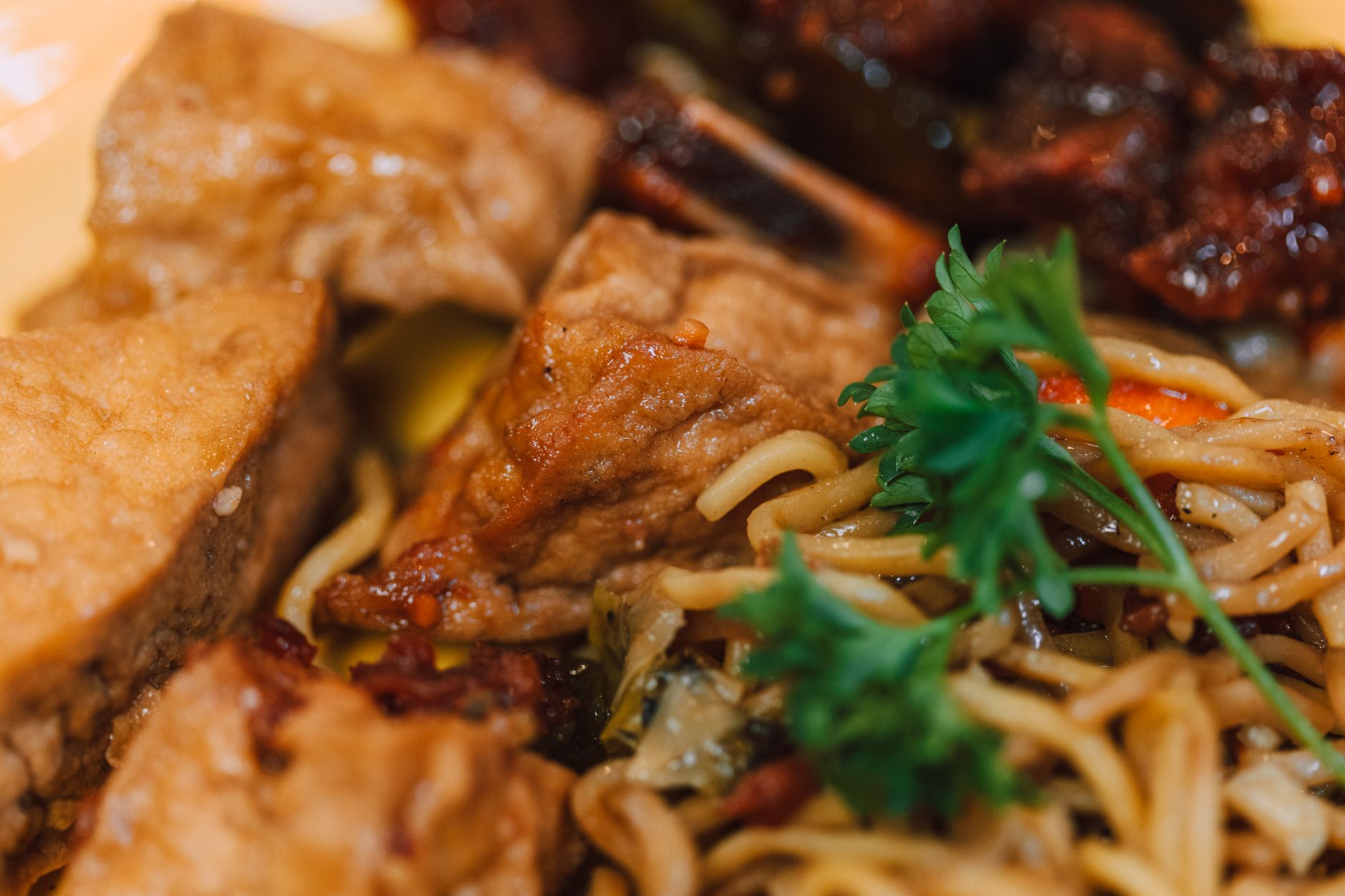
Soy meat, often referred to as “soy protein” or “textured vegetable protein (TVP),” is a plant-based meat substitute made from soybeans. It has gained popularity as a versatile ingredient in vegetarian and vegan diets, offering a protein-rich alternative to traditional meat. With its ability to absorb flavors and its meaty texture, soy meat can be used in a wide variety of dishes.
This article will explore what soy meat is, how it’s made, its flavor and texture profiles, various ways to serve it, and tips for incorporating it into your meals.
What Is Soy Meat?
Soy meat is derived from soybeans, a legume rich in protein. It is processed into different forms, including granules, chunks, and slices, which resemble the texture of meat. The primary ingredient in soy meat is soy protein, extracted through a process that separates the oil and carbohydrates from soybeans. This ingredient is commonly used in various meat alternatives and can be found in products like veggie burgers, sausages, and meatless meatballs.
Ingredients in Soy Meat
The main ingredient in soy meat is soy protein, but this can vary depending on the specific product or preparation method. Here are some common ingredients you might find in soy meat products:
- Soy Protein Isolate: A highly concentrated form of protein made from defatted soybean flakes.
- Textured Soy Protein: Made by further processing soy protein isolate, giving it a chewy, meat-like texture.
- Seasonings: Many soy meat products include added spices and flavor enhancers to replicate meat flavors.
- Binders: Ingredients like gluten or starch may be added to help hold the soy meat together.
- Coloring Agents: Natural dyes may be used to give soy meat a more appealing appearance.
Flavor Profile of Soy Meat
Soy meat can have a neutral flavor, which means that it can easily take on the characteristics of the seasonings and sauces it’s cooked with. This adaptability makes it a popular choice for various cuisines. Here’s what you can expect:
- Neutral Base: The lack of strong flavor allows soy meat to absorb marinades and spices well.
- Meat-like Texture: When cooked properly, it provides a chewy texture similar to that of ground meat.
- Potential for Customization: With different spices and cooking methods, its flavor can be easily adjusted to suit specific dishes.
How to Serve Soy Meat
Soy meat can be served in numerous ways, making it a versatile ingredient for various meals. Here are some serving suggestions:
1. Stir-Fries
Incorporating soy meat into stir-fries is an excellent way to add protein to your meal. Sauté vegetables such as bell peppers, broccoli, and carrots with soy meat, and season with soy sauce or teriyaki sauce for flavor.
2. Tacos and Burritos
Use seasoned soy meat as a filling for tacos or burritos. Add toppings like salsa, avocado, and shredded lettuce to create a satisfying meal.
3. Soups and Stews
Soy meat can add heartiness to soups and stews. Cook it in vegetable broth with various vegetables, and season appropriately to enhance the flavors.
4. Burgers and Meatballs
Combine soy meat with breadcrumbs, herbs, and spices to create patties or meatballs. Grill or bake for a delicious and filling meal.
5. Pasta Dishes
Add soy meat to pasta dishes, such as marinara or Alfredo, for a protein boost. It works well in stuffed shells or lasagna as well.
Cooking with Soy Meat
When cooking with soy meat, it’s important to understand that it typically comes dehydrated. Here’s how to prepare it properly:
Rehydrating Soy Meat
- Measure: Determine the amount of soy meat you need. A general rule is to use about 1/3 cup of dry soy meat for every serving.
- Boil Water: Bring about 1 cup of water or broth to a boil.
- Combine: Add the soy meat to the boiling liquid and remove it from heat.
- Let Soak: Allow the soy meat to soak for about 10 to 15 minutes until it rehydrates and absorbs the liquid.
- Drain: Once rehydrated, drain any excess liquid before cooking.
Practical Substitutions for Soy Meat
If you’re looking to switch up your meals or are dealing with specific dietary needs, there are several substitutes for soy meat:
- Tempeh: Another soy product that is fermented, giving it a nutty flavor and firmer texture.
- Seitan: Made from gluten, it’s high in protein and also mimics meat texture well.
- Lentils: Cooked lentils can replace soy meat in dishes like tacos and stews, offering a different but complementary flavor.
- Mushrooms: They can provide umami flavors and a meaty texture when sautéed or grilled.
Common Mistakes When Cooking with Soy Meat
While soy meat is easy to work with, there are a few common pitfalls to avoid:
- Insufficient Rehydration: Make sure to fully rehydrate soy meat according to the instructions, as undercooked soy meat can be chewy and unpleasant.
- Over Seasoning: While soy meat absorbs flavors well, using too much seasoning can overwhelm its natural taste. Start with moderate amounts and adjust as necessary.
- Skipping the Marinade: To enhance flavor, marinate the rehydrated soy meat before cooking.
Storage and Reheating Guidelines
Proper storage and reheating are crucial for maintaining the quality of soy meat:
- Storage: Unused dehydrated soy meat can be stored in a cool, dry place in an airtight container. Once rehydrated, store it in the refrigerator and consume within 3 to 5 days.
- Reheating: To reheat cooked soy meat, use a pan over medium heat with oil, or microwave it until warmed through. Make sure it reaches a safe temperature before consumption.
Benefits of Including Soy Meat in Your Diet
Incorporating soy meat into your meals comes with various health benefits, particularly for those following vegetarian or vegan diets:
- High Protein Content: Soy meat is an excellent source of protein, providing a complete amino acid profile.
- Low in Fat: Unlike many animal products, soy meat is typically low in saturated fat.
- Rich in Nutrients: It contains essential vitamins and minerals, such as iron, calcium, and B vitamins.
Conclusion
Understanding what soy meat is and how to use it can diversify your meals and enhance your protein intake. Whether you’re preparing a comforting stir-fry or tasty tacos, soy meat offers a delicious and nutritious alternative to traditional meat. For those interested in plant-based cooking, soy meat is an invaluable ingredient that can be easily incorporated into everyday dishes.
Explore related recipes and cooking tips to further enhance your culinary skills. Check out how soy sauce is made, and learn about edamame’s health benefits.