
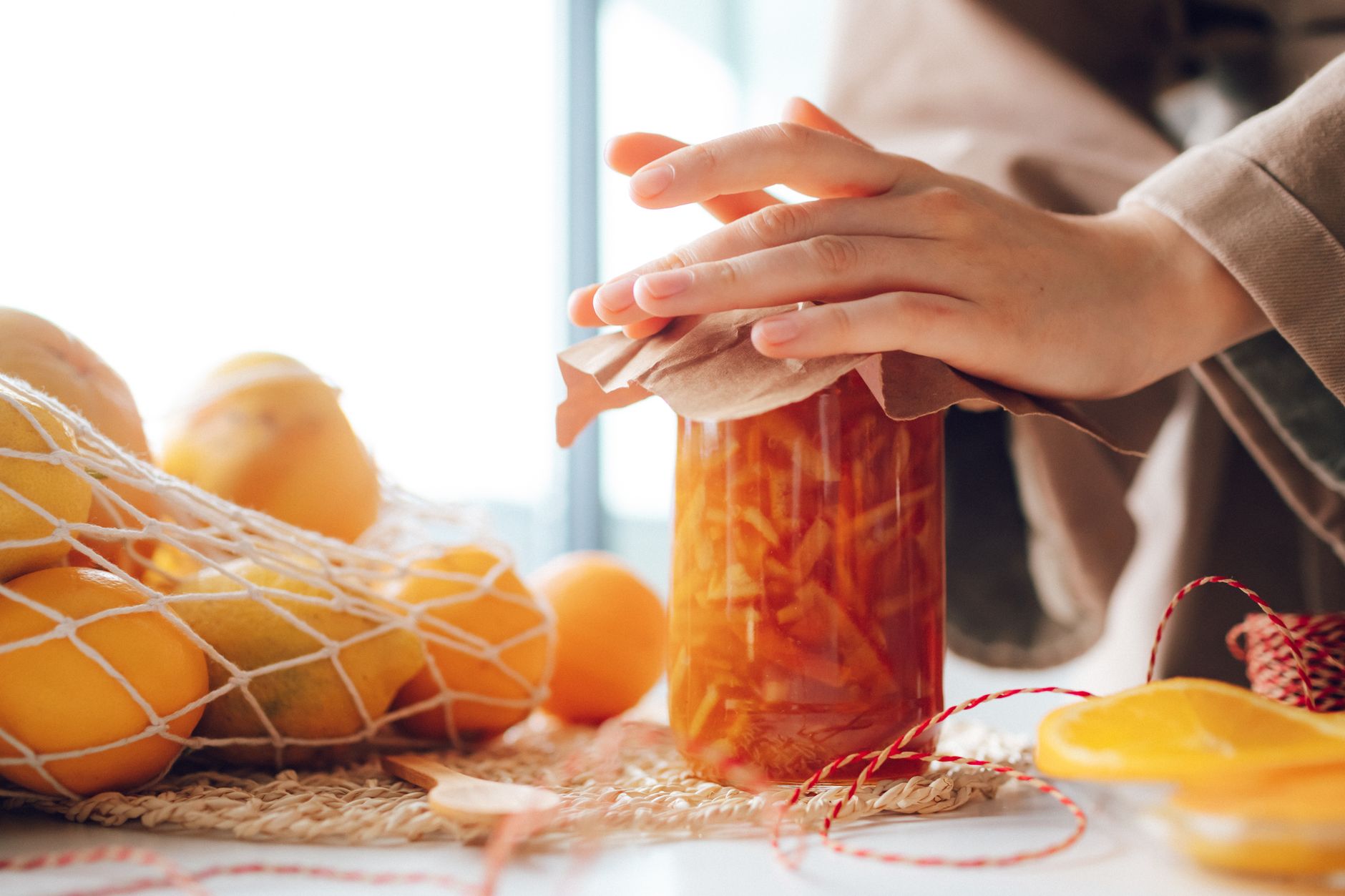
Jam is a beloved spread that adds sweetness and flavor to a variety of dishes, whether enjoyed on toast, in desserts, or as a topping for meats. However, understanding how long jam can last and how to store it properly is essential for maintaining its flavor and safety.
The lifespan of jam depends on several factors, including its ingredients, storage conditions, and whether it has been opened. This article will explore how long jam lasts, the signs of spoilage to watch for, and the best practices for storing your favorite jams.
How Long Does Jam Last?
Jam can last quite a long time if stored properly. Unopened, commercially prepared jam can last for up to two years beyond the printed expiration date. Once opened, however, it is best used within six months to a year for optimal flavor and quality, although it may remain safe to eat longer if stored correctly.
Homemade jam generally has a shorter shelf life. When refrigerated, it can last for about three weeks to a month after opening. Unopened jars of homemade jam may last for up to a year if jarred properly and stored in a cool, dark place.
Understanding the Factors That Affect Jam Longevity
Several key factors influence how long jam will last, including:
- Ingredients: The type of fruit and sugar content can affect preservation. High sugar content typically extends shelf life.
- Processing Method: Commercially made jams often undergo pasteurization, which increases their shelf life compared to homemade versions.
- Storage Conditions: Jam should be stored in a cool, dark place. Refrigeration slows spoilage, while exposure to heat and light can shorten its longevity.
- Preservatives: Some commercial jams contain preservatives that can prolong shelf life, while homemade jams may rely solely on natural ingredients.
Signs Your Jam Has Spoiled
Knowing the signs of spoilage is vital for ensuring the safety and quality of your jam. Here are some indicators that your jam may no longer be safe to eat:
- Off Smell: If the jam has an unusual or sour odor, it’s a clear sign that it has spoiled.
- Mold Growth: Any visible mold on the surface indicates spoilage. While some people might scrape off mold from hard cheeses, it is not safe for jam.
- Texture Changes: If the consistency has changed significantly, such as being overly runny or crystallized, it may not be safe to consume.
- Color Changes: Dull or brownish colors can indicate spoilage, especially if the jam originally had a vibrant hue.
- Popping Sound or Bulging Lid: If the jar lid pops when opened, or if the lid is bulging, it’s a sign that gas has built up from fermentation or spoilage.
Storing Jam for Maximum Shelf Life
To extend the life of your jam and maintain its quality, consider the following storage tips:
- Keep It Cool: Store jam in a cool, dark place, such as a pantry or a cupboard, before opening.
- Refrigerate After Opening: Always refrigerate opened jars of jam to inhibit the growth of bacteria and mold.
- Airtight Seal: Ensure that the jar is sealed tightly to keep air out and moisture in. For reusable jars, consider using a clean spoon each time to avoid contamination.
- Use Clean Utensils: When serving jam, always use clean utensils to prevent introducing bacteria into the jar.
- Freeze for Longer Storage: If you want to keep homemade jam for an extended period, consider freezing it. Ensure that the jar is suitable for freezing and leave some space at the top for expansion.
Homemade Jam: Tips for Longevity
When preparing homemade jam, there are specific practices to follow that will help maximize its shelf life:
- Correct Jarring Process: Use sterilized jars and lids to prevent contamination. This includes boiling them before filling.
- Follow Tested Recipes: Stick to tried-and-true canning recipes to ensure proper pH and sugar levels for preservation.
- Avoid Unused Ingredients: Avoid adding ingredients like fresh herbs or spices that may not preserve as well as the fruit itself.
- Label Jars: Always label your jars with the date and type of jam, which helps monitor freshness.
Can You Eat Expired Jam?
The question of whether you can eat expired jam largely depends on the condition of the jam itself. If unopened jams are past their expiration date but show no signs of spoilage, they are likely safe to consume; however, the flavor may not be as robust.
Once opened, it’s essential to check for any spoilage signs. Even if the jam is within the time frame, it can spoil if not handled correctly. Always trust your senses—if something seems off, it’s best to discard it.
Common Types of Jam and Their Lifespan
Different types of jam may have varying shelf lives. Here are some common types and their respective durations:
| Type of Jam | Unopened Shelf Life | Opened Shelf Life |
|---|---|---|
| Strawberry Jam | 1-2 years | 6 months to 1 year |
| Blueberry Jam | 1-2 years | 6 months to 1 year |
| Raspberry Jam | 1-2 years | 6 months to 1 year |
| Peach Jam | 1-2 years | 6 months to 1 year |
| Blackberry Jam | 1-2 years | 6 months to 1 year |
Using Leftover Jam
If you find yourself with leftover jam, consider these creative uses:
- Spread It: Use it as a topping for pancakes, waffles, yogurt, or ice cream.
- In Baking: Incorporate it into recipes for cakes, cookies, or pastries.
- Marinade: Combine with vinegar and spices for a sweet marinade for meats.
- Salad Dressing: Blend with oil and vinegar for a fruity salad dressing.
How to Make Jam
If you’re interested in making your jam, here’s a brief overview of the process:
- Select Fresh Fruit: Choose ripe, unblemished fruit for the best flavor.
- Prepare the Fruit: Wash, peel, and chop the fruit as needed.
- Add Sugar: Combine the fruit with sugar (typically 1:1 ratio) and let it sit to release juices.
- Add Pectin: If using pectin, follow package instructions to ensure proper gelling.
- Cook the Mixture: Bring the mixture to a boil, stirring frequently until it reaches the desired consistency.
- Jar It Up: Pour the hot jam into sterilized jars, leaving headspace, and seal immediately.
Conclusion
Understanding how long jam lasts and the best storage practices can help you enjoy this delicious spread safely and for as long as possible. Always look for signs of spoilage and don’t hesitate to get creative with your leftover jam. For those interested in making their jam, the process is relatively simple and rewarding.
Explore our delicious pear jam recipe for a delightful twist, or try out our strawberry preserves recipe to make a classic favorite!