
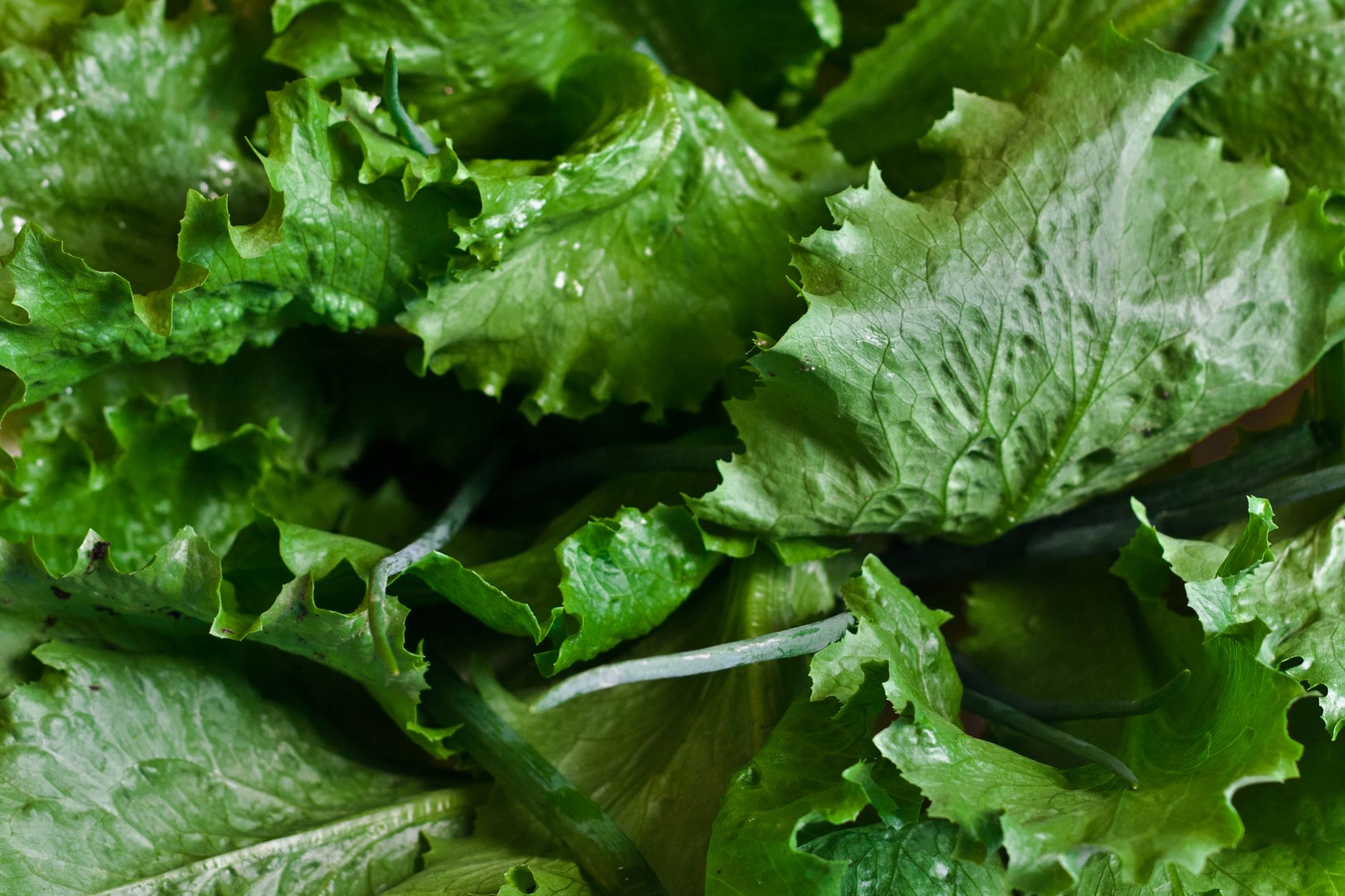
Lettuce is a leafy green vegetable commonly used in salads, sandwiches, and various culinary dishes worldwide. With its crisp texture and refreshing taste, lettuce is not only versatile but also packed with essential nutrients, making it a popular choice for both health-conscious eaters and culinary enthusiasts.
This article delves into what lettuce is, exploring its types, flavors, nutritional profile, and how to best serve it in your meals.
What Is Lettuce?
Lettuce is a leafy vegetable from the Asteraceae family, often grown for its edible leaves used primarily in salads and wraps. It can be enjoyed in a variety of forms, from raw leaves to cooked additions in various dishes. Common types include romaine, iceberg, and butterhead lettuce, each boasting unique flavors and textures.
Types of Lettuce
There are several varieties of lettuce, each with distinct characteristics that affect their taste and use. Here are the most popular types:
1. Romaine Lettuce
Romaine lettuce is known for its long, sturdy leaves and crisp texture. It has a slightly bitter, earthy flavor and is commonly used in Caesar salads and as a sandwich filler due to its robust structure.
2. Iceberg Lettuce
Iceberg lettuce features tightly packed, pale green leaves and a crunchy texture. Its mild flavor makes it ideal for salads and sandwiches where it can add crunch without overpowering other ingredients.
3. Butterhead Lettuce
Butterhead, which includes Boston and Bibb varieties, has soft, pliable leaves with a sweet, buttery flavor. It is excellent for salads and wraps, offering a delicate touch to various dishes.
4. Leaf Lettuce
Leaf lettuce encompasses a range of varieties, including red and green leaf. These lettuces have loose, ruffled leaves and a tender texture, ideal for salads and garnishes.
5. Arugula
Although often categorized separately, arugula is a peppery leafy green that can be used alongside traditional lettuces for salads. Its bold flavor adds a delightful kick.
Flavor Profile of Lettuce
The flavor of lettuce varies by type but generally ranges from mildly sweet to slightly bitter. Here’s a breakdown of some common flavors associated with the various kinds:
- Romaine: Earthy and slightly bitter.
- Iceberg: Refreshingly crisp and mild.
- Butterhead: Sweet and creamy.
- Leaf Lettuce: Fresh with slight bitterness.
- Arugula: Spicy and peppery.
Nutritional Benefits of Lettuce
Lettuce is not just low in calories; it’s also a nutrient-dense food, making it an excellent addition to your diet. Here’s a closer look at the nutritional benefits:
- Low in Calories: Lettuce is primarily composed of water, making it very low in calories, ideal for weight management.
- Rich in Vitamins: It is a good source of vitamins A, C, and K, crucial for maintaining healthy vision, immune function, and bone health.
- High in Fiber: Lettuce provides dietary fiber, promoting digestive health and helping to maintain steady blood sugar levels.
- Hydrating: With high water content, lettuce can help maintain hydration.
How to Choose Lettuce
Selecting quality lettuce is crucial to ensure freshness and flavor. Here are some tips for choosing the best heads of lettuce:
- Look for Crispness: Choose heads that feel firm and are crisp to the touch.
- Avoid Wilting: Stay away from any leaves that are wilted or have brown edges.
- Check for Color: Fresh lettuce should have vibrant green leaves without any yellowing or discoloration.
- Inspect for Bugs: Take a close look for any signs of insects or pests hidden among the leaves.
Storing Lettuce
Proper storage of lettuce is essential to maintain its freshness and crispness. Here are guidelines for storing different types:
- Whole Heads: Keep whole heads of lettuce unwashed in the fridge’s crisper drawer. Wrap them in a damp paper towel and place them in a plastic bag to maintain moisture.
- Loose Leaves: Rinse, dry, and store loose leaves in an airtight container lined with a damp paper towel to prevent wilting.
- Pre-packaged Lettuce: Follow the packaging instructions; usually, it’s best kept in the refrigerator in its original container.
How to Prep and Serve Lettuce
Prepping lettuce properly can enhance the eating experience. Here’s how to prepare and serve different types of lettuce:
1. Cleaning Lettuce
- Start by removing any wilted or damaged outer leaves.
- Fill a large bowl or sink with cold water and submerge the lettuce to clean it.
- Gently swish the leaves to remove dirt, then rinse under running water.
- Use a salad spinner or paper towels to dry the leaves thoroughly.
2. Cutting Lettuce
The method of cutting varies based on the type of lettuce:
- Romaine and Iceberg: Cut the lettuce through the center from top to bottom, then slice into desired widths for salads or wraps.
- Butterhead: Gently separate the leaves, keeping them whole for presentation in salads.
- Leaf Lettuce: Tear leaves into bite-sized pieces for serving.
3. Serving Suggestions
Lettuce can be served in numerous ways:
- Fresh Salads: Combine lettuce with an array of vegetables, fruits, nuts, and proteins for a healthy salad.
- As a Wrap: Use sturdy leaves like romaine as a low-carb wrap for fillings like chicken salad or taco fixings.
- In Sandwiches: Add lettuce to sandwiches for a crunchy texture.
- In Soups: Lettuce can be briefly cooked into soups for added nutrition.
Cooking with Lettuce
While lettuce is primarily celebrated for its raw applications, it can also be used in cooked dishes. However, different types may be better suited for specific methods:
1. Wilted Lettuce
Cooking lettuce can yield a surprisingly tender and flavorful dish. To wilt lettuce:
- Heat a small amount of olive oil in a pan over medium heat.
- Add chopped lettuce leaves and sauté for about 2-3 minutes until they are just wilted.
- Season with salt, pepper, and lemon juice or vinegar for added flavor.
This technique is perfect for adding lettuce to stir-fries or as a warm salad base.
2. Lettuce in Stir-Fries
Lettuce can also be added to stir-fries to enhance volume and nutrition. Quick-cooking varieties like leaf lettuce work well. Just add the lettuce towards the end of cooking to preserve its crispness.
Substituting Lettuce in Recipes
If you’re in a pinch and need a substitute for lettuce, consider these alternatives:
- Spinach: Offers a similar leafy texture with a slightly different flavor; excellent in salads and sandwiches.
- Kale: Heartier and more nutrient-dense, kale works well in salads when massaged or cooked; however, it has a stronger flavor.
- Swiss Chard: This leafy green has a similar texture and is suitable as a substitute in both raw and cooked dishes.
Common Mistakes to Avoid
When working with lettuce, it’s essential to avoid several pitfalls:
- Overcrowding the Salad: Too many ingredients can overwhelm the delicate flavor of lettuce.
- Using Wilted Lettuce: Always check for freshness; using wilted leaves can affect taste and presentation.
- Neglecting Proper Storage: Improper storage leads to spoilage; follow recommended storage practices to maintain freshness.
Herbs and Dressing Pairings
Enhancing lettuce dishes with herbs and dressings can elevate flavors:
Recommended Dressings
- Vinaigrette: A classic choice that complements most lettuce types.
- Caesar Dressing: Pairs perfectly with romaine in a Caesar salad.
- Honey Mustard: Adds a sweet and tangy element that works well with leaf lettuces.
Herb Pairings
- Basil: Fresh basil can highlight the sweetness of butterhead lettuce.
- Parsley: Add chopped parsley to boost freshness and brightness.
- Chives: Their mild onion flavor complements most leafy greens.
Conclusion
Lettuce is an incredibly versatile green that can enhance the flavor, texture, and nutritional value of many dishes. Understanding the various types, how to select, prepare, store, and serve it can elevate your culinary experience. With the right methods and pairings, lettuce can be used in many creative ways, turning simple ingredients into satisfying meals.
Explore how to make classic dishes with lettuce like wilted lettuce, or check out a refreshing side dish with a twist, like our Thanksgiving slaw.