
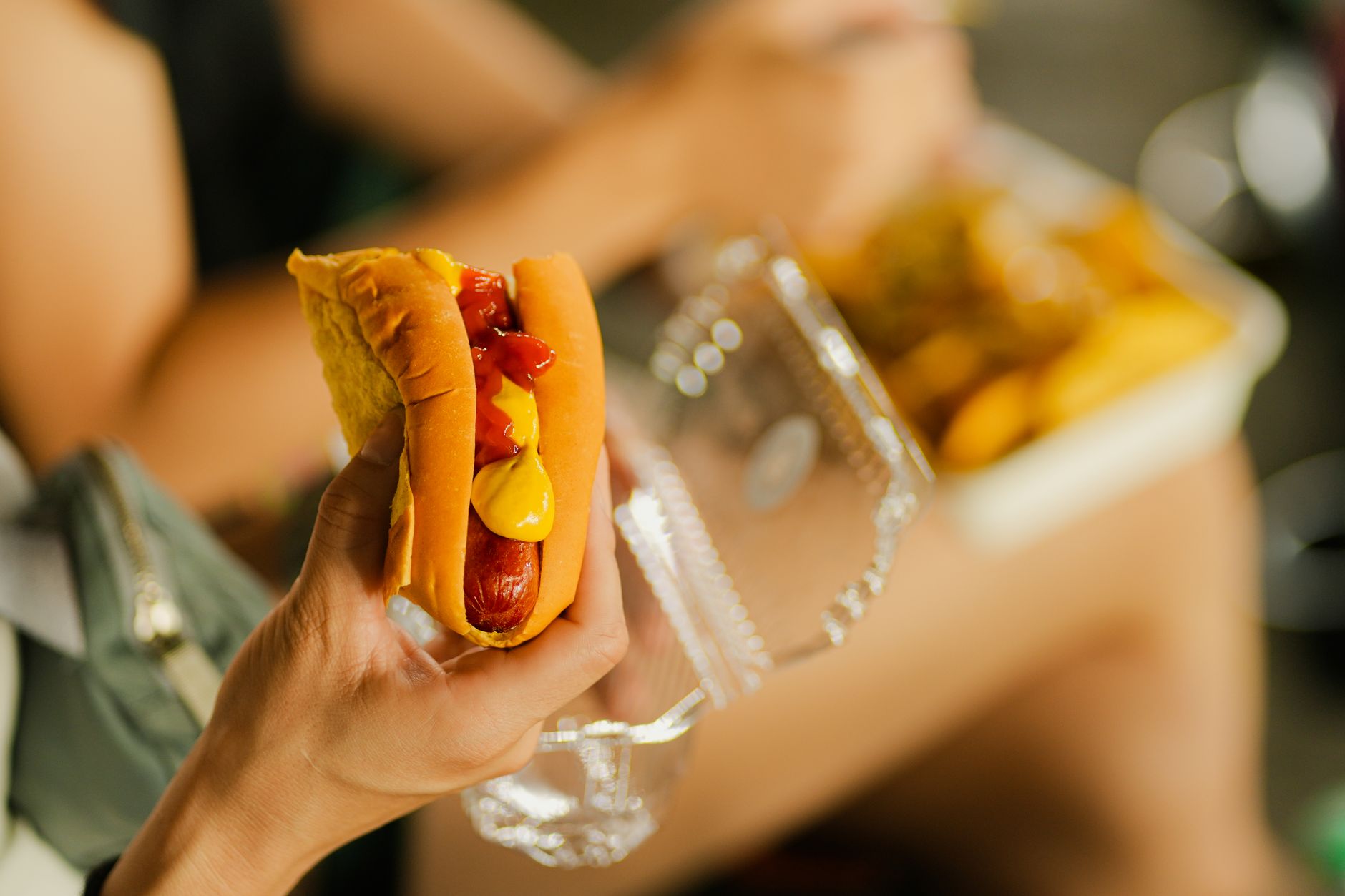
Hot dogs are a classic food enjoyed at various occasions, from summer barbecues to sporting events. But when it comes to purchasing hot dogs, many people wonder just how many come in a standard pack. Understanding pack sizes and serving sizes is essential for meal planning, ensuring that you have enough for your gathering or event.
This article will explore common hot dog pack sizes, how many hot dogs people typically consume, and tips for serving and storing them effectively. You’ll be well-equipped to navigate hot dog purchases after reading!
How Many Hot Dogs Come in a Pack?
The number of hot dogs in a pack can vary significantly depending on the brand and type. Most commonly, hot dogs are sold in packs of 8, 10, or 12. However, there are also packs containing 6 or even 24 hot dogs, especially in bulk or party packs. These variations mean you should always check the packaging when shopping.
Standard Hot Dog Pack Sizes
Let’s look into the most common pack sizes found in grocery stores:
- 6-pack: Less common, usually seen in specialty brands or regional varieties.
- 8-pack: Perhaps the most standard pack size, popular among various brands.
- 10-pack: Often seen in larger or discounted options.
- 12-pack: Another popular size, frequently marketed toward families.
- 24-pack: Typically found in bulk sizes ideal for parties or large gatherings.
While these are the typical sizes, check the label on the package to confirm how many hot dogs you are actually getting.
Serving Sizes & Portions
Understanding how many hot dogs you will need for a gathering largely depends on several factors, including the type of event, the age group of your guests, and the presence of other food items. Here’s a guide on serving sizes:
General Guidelines
As a rough guideline, here are some common serving suggestions:
- Adults: Usually, expect adults to consume about 1.5 to 2 hot dogs.
- Children: Children typically consume about 1 hot dog.
- Buffet Style: If you’re serving other heavy foods, consider a lower number around 1 hot dog per person.
- Hot Dog Enthusiasts: In gatherings where hot dogs are the star item (like barbecues), you may want to plan for about 2-3 per person.
If you’re hosting a gathering with a mix of adults and children, it can be helpful to estimate about 1.5 hot dogs per person for your total headcount.
Planning for Events
For specific events, the following calculator might help:
- For small gatherings of less than 10 people, a standard 8-pack can suffice.
- For family gatherings or picnics with up to 20 people, consider purchasing two 12-packs.
- At larger events like community cookouts, a 24-pack may be needed to meet demand.
Types of Hot Dogs
Before purchasing, it’s important to recognize the different types of hot dogs available, as this may influence your choice and serving sizes. Here are a few popular types:
Beef Hot Dogs
Made mainly from beef, these hot dogs often deliver a rich flavor. They’re a favorite at traditional cookouts.
Pork Hot Dogs
Pork hot dogs have a different texture and flavor profile compared to beef. They are commonly found in regional versions, including kosher and specialty varieties.
Chicken and Turkey Hot Dogs
For those looking for lighter alternatives, chicken or turkey hot dogs are increasingly popular. They usually have fewer calories and are a healthier option.
Veggie and Plant-Based Hot Dogs
With the growing trend of plant-based diets, veggie hot dogs made from beans, lentils, or soy are widely available. They typically appeal to vegetarians or those seeking to reduce meat consumption.
Flavor and Texture Variations
Different brands often deliver unique flavors and textures. When shopping for hot dogs, you may encounter:
- Smoked: Many hot dogs are smoked, giving them an enhanced flavor.
- Spicy: Certain varieties are seasoned with spices, offering a kick.
- Herbed: Infused with herbs for a distinctive taste.
- Low-fat: These are designed for health-conscious consumers.
Sampling different brands can help you discover what flavors or styles you prefer.
Dynamic Serving Suggestions
Now that you have your hot dogs, it’s time to get creative with how to serve them. Here are some ideas:
Traditional Toppings
Classic toppings that pair well with hot dogs include:
- Ketchup: A must-have condiment for many.
- Mustard: Yellow, Dijon, or spicy varieties.
- Onions: Chopped raw or caramelized.
- Relish: Sweet pickle relish is a favorite.
- Chili: For a hearty option, serve with chili.
Creative Options
Take your hot dog game up a notch with these unique ideas:
- Guacamole: Spread avocados for a fresh twist.
- Coleslaw: Add crunch and creaminess.
- Pico de Gallo: A fresh salsa can jazz up your hot dog.
- Pickles: Slices or spears add a zesty flavor.
Cooking Techniques for Hot Dogs
Hot dogs are versatile, and there are numerous ways to prepare them. Here are some popular techniques:
Grilling
Grilling may be the most iconic way to cook hot dogs, especially during summer. Follow these steps:
- Preheat the grill to medium heat.
- Place hot dogs on the grill, making sure they are not touching.
- Grill each side for 5-7 minutes, turning occasionally.
- The hot dogs are ready when they are heated through and have grill marks.
Boiling
If you prefer a quicker option, boiling hot dogs is straightforward:
- Fill a pot with water and bring it to a boil.
- Add hot dogs to the boiling water.
- After about 5 minutes, the hot dogs are heated through. Remove and serve!
Microwaving
In a rush? A microwave can quickly heat hot dogs:
- Place one hot dog in a microwave-safe bowl with a little water.
- Cover the bowl and microwave for about 30 seconds.
- Check if heated through; additional time may be needed.
Pan-Frying
For a crispy texture, pan-frying is a tasty method:
- Heat a bit of oil in a frying pan over medium heat.
- Add hot dogs, cooking them for 5-6 minutes, turning to brown all sides.
Storing Leftover Hot Dogs
If you have leftover hot dogs, proper storage is crucial to maintain their quality. Here’s how to do it:
Refrigeration
If hot dogs are cooked:
- Allow to cool before packing in an airtight container.
- Store in the refrigerator for up to one week.
Freezing
To extend shelf life:
- Seal hot dogs in a freezer-safe container or wrap them in foil.
- Label with the date before placing them in the freezer.
- Frozen hot dogs can last up to two months.
Reheating
To reheat, you can use any of the methods above. Make sure to check that they are thoroughly heated before consuming.
A Few Common Mistakes to Avoid
When preparing or serving hot dogs, keep these common mistakes in mind:
- Overcooking: Be mindful of cooking times. Overcooked hot dogs can split and dry out.
- Using toppings that overpower: Keep toppings proportionate to prevent overwhelming the hot dog’s flavor.
- Neglecting to check for doneness: Always confirm the hot dog is heated to an appropriate temperature.
Final Thoughts
Understanding how many hot dogs come in a pack and planning effectively can greatly enhance your meal preparation. Whether grilling up for a summer cookout or hosting a family gathering, knowing the ins and outs of hot dog serving sizes, preparation, and storage ensures a smooth event and satisfied guests.
If you’re looking for more information on hot dogs, you may find it interesting to explore the ingredients that make up hot dogs or delve into the details of making a classic Reuben sandwich for an exciting twist. You can read about what hot dogs are made of or discover the ingredients of a traditional Reuben sandwich.