
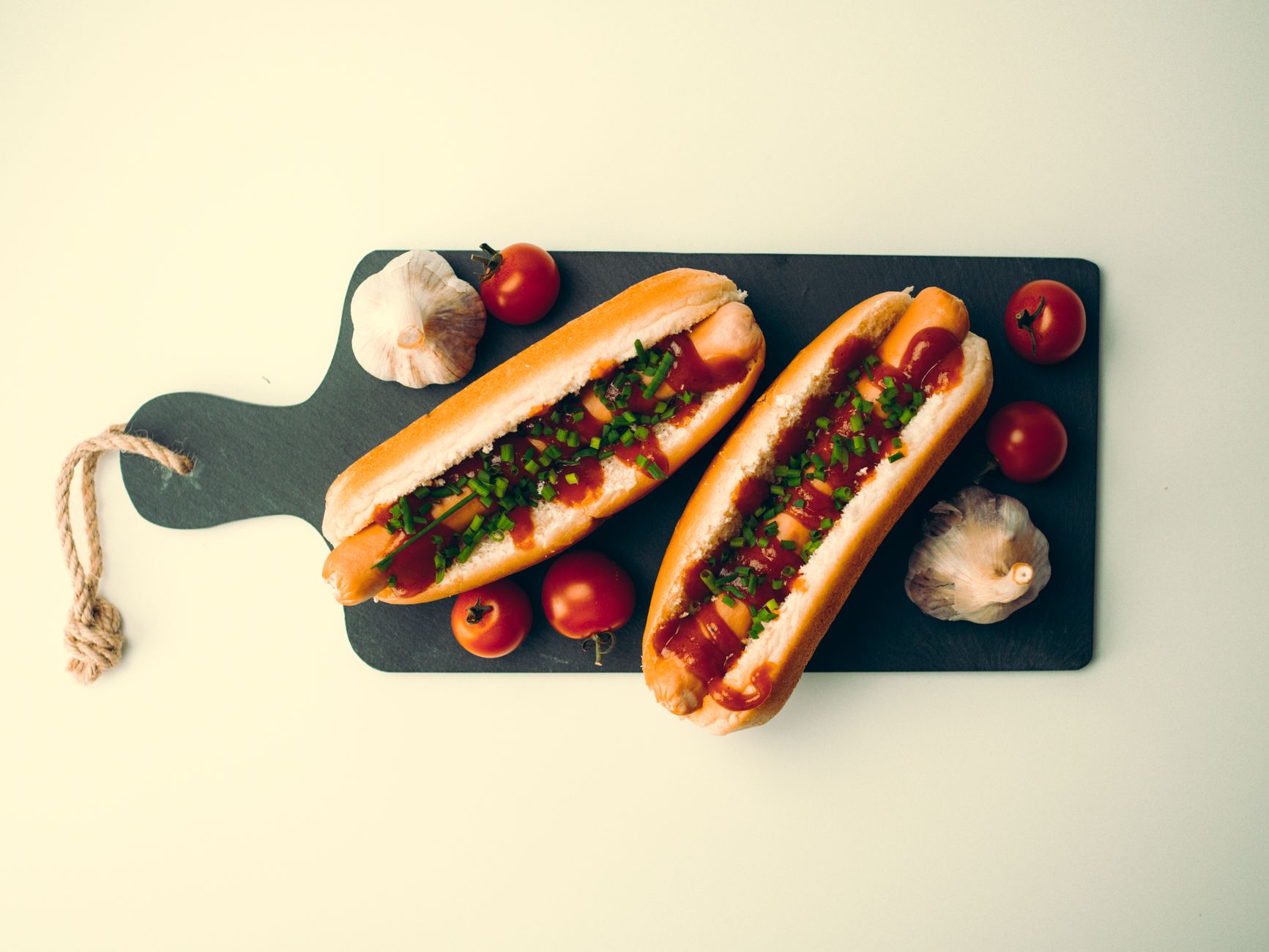
Hotdogs have long been a beloved staple at barbecues, sporting events, and street food stands. Their convenience and unique flavor make them a popular choice for many. But what exactly are hotdogs made out of? Understanding their composition can help consumers make informed choices when it comes to purchasing and consuming these iconic sausages.
This article dives into the various components of hotdogs, including the types of meats used, fillers, and seasonings, as well as the production process. We also explore different varieties available in the market, so you can better understand what you’re eating and how to choose high-quality options.
What Are Hotdogs Made Out Of?
Hotdogs are typically made from a combination of different meats, primarily beef, pork, chicken, or turkey, along with various additives and seasonings. The exact blend varies by brand and type of sausage, leading to distinct flavors and textures.
The Meat Component of Hotdogs
The core ingredient in most hotdogs is meat, and several types are used in their preparation:
- Beef: Often the primary meat used in hotdogs, beef provides rich flavor and a satisfying texture.
- Pork: Adding pork can enhance the juiciness and flavor profile of hotdogs.
- Poultry: Chicken and turkey hotdogs are popular alternatives for those looking for lower-fat options. They are typically leaner but may have a drier texture.
- Meat Blends: Some hotdogs use a combination of these meats to achieve a balanced flavor and texture.
When purchasing hotdogs, it’s essential to check the label. Some may contain more than one type of meat, while others might use by-products, like mechanically separated chicken, which can affect quality and flavor.
Fillers and Binders
In many commercial hotdogs, fillers are added to stretch the meat and reduce production costs. The most common fillers include:
- Starch: Corn, potato, or tapioca starch is often used to retain moisture and improve texture.
- Textured Vegetable Protein (TVP): This plant-based protein can be added for texture and to enhance protein content without significantly altering flavor.
- Other additives: Soy protein isolate, wheat gluten, or dairy products may be included as binders to maintain shape and texture.
While fillers can lower costs and improve the hotdog’s texture, they may detract from the overall meat experience. Premium brands often avoid fillers, using a higher percentage of actual meat instead.
Seasonings and Flavorings
Seasonings are crucial for giving hotdogs their characteristic taste. Common ingredients include:
- Salt: Essential for flavor and preservation.
- Spices: Garlic powder, onion powder, and pepper are commonly used, while some brands might include paprika, mustard, or coriander for added complexity.
- Preservatives: Sodium nitrate or sodium nitrite are often used to prolong shelf life and enhance color. Some consumers prefer nitrite-free versions for health reasons.
Each brand has its signature spice blend that sets it apart from others, so trying different options can be a delightful culinary adventure.
The Production Process of Hotdogs
Understanding how hotdogs are made can demystify the process and assure consumers about their quality.
- Meat Selection: The first step is selecting the appropriate cuts of meat. Quality varies by brand, so it’s essential to choose a reputable manufacturer.
- Grinding: The meat is ground into a fine paste, which allows for the incorporation of fillers, binders, and seasonings.
- Mixing: Ingredients are thoroughly mixed to ensure even distribution of spices and fillers.
- Stuffing: The mixture is then stuffed into casings, which can be natural (made from animal intestines) or synthetic (made from collagen or cellulose).
- Cooking: Hotdogs are typically cooked and smoked to develop their flavor. Cooking methods may vary, leading to different textures and tastes.
- Cooling and Packaging: After cooking, hotdogs are rapidly cooled and packaged for sale to retain quality and safety.
This process highlights the importance of food safety and quality assurance in commercial hotdog production.
Types of Hotdogs Available
Hotdogs come in various styles to cater to different tastes and dietary preferences:
- Traditional Beef Hotdogs: Often the go-to choice for classic hotdog flavor.
- Pork Hotdogs: Richer flavor, commonly used in many family recipes.
- Turkey and Chicken Hotdogs: Leaner options for health-conscious individuals.
- Vegan or Vegetarian Hotdogs: Made from plant-based proteins and designed to mimic the taste and texture of meat.
- Artisanal Hotdogs: Premium brands often use high-quality, ethically sourced meats, unique spices, and gourmet toppings.
Exploring these varieties helps consumers find their perfect hotdog match based on taste, texture, and dietary needs.
Choosing Quality Hotdogs
When buying hotdogs, consider the following tips for selecting higher-quality products:
- Read the Label: Look for hotdogs made with whole cuts of meat and avoid those with fillers or artificial ingredients.
- Check for Nitrates: If you prefer avoiding preservatives, look for nitrate-free options.
- Source Matters: Opt for brands that prioritize ethical sourcing and sustainable practices.
- Flavor Variations: Try different spiced versions to find one that best suits your taste preferences.
Investing in higher-quality hotdogs can enhance your overall eating experience and satisfaction.
Cooking Methods for Hotdogs
How you prepare your hotdog can significantly impact its flavor and texture. Below are some common cooking methods:
Grilling
Grilling gives hotdogs a smoky flavor and appealing char. To grill hotdogs, follow these steps:
- Preheat the grill to medium-high heat.
- Place the hotdogs on the grill and cook for about 5-7 minutes, turning occasionally until evenly charred and heated through.
- Serve immediately with your favorite toppings and condiments.
Boiling
This method is simple and ensures a juicy hotdog:
- Fill a pot with water and bring it to a boil.
- Add hotdogs and reduce heat to a simmer.
- Cook for about 5 minutes or until heated through. Drain and serve.
Pan-Frying
Pan-frying creates a crispy exterior:
- Heat a skillet over medium heat and add a small amount of oil.
- Add the hotdogs and cook for 6-8 minutes, turning until crispy and browned.
- Serve with desired toppings.
Baking
Baking provides an even cook without the need for constant attention:
- Preheat the oven to 400°F (200°C).
- Place hotdogs on a baking sheet lined with parchment paper.
- Bake for 10-15 minutes or until heated thoroughly.
Each cooking method yields a different flavor and texture, making it worthwhile to try them all and discover your preference.
Common Mistakes When Cooking Hotdogs
Here are some common pitfalls to avoid when cooking hotdogs:
- Overcooking: This can lead to dry, tough hotdogs. Always monitor cook times carefully.
- Skipping the Preheating: Not preheating your grill or pan can result in uneven cooking.
- Choosing Low-Quality Hotdogs: Opting for cheaper varieties often leads to chewy texture and bland flavor.
Storage and Reheating Hotdogs
Proper storage can prolong the shelf life of hotdogs:
- Refrigeration: Uncooked hotdogs should be refrigerated and consumed within one week of opening.
- Freezing: Hotdogs can be frozen for longer preservation but may lose some texture upon thawing. Consume within two months for best quality.
When reheating leftover hotdogs, gently warm them on the stovetop or microwave until they reach 165°F (74°C) for food safety.
Hotdog Variations and Serving Suggestions
Hotdogs can be enjoyed in endless ways, making them a versatile addition to any meal. Some exciting serving ideas include:
- Classic Toppings: Mustard, ketchup, onions, relish, or sauerkraut.
- Gourmet Options: Add avocado, bacon, or unique sauces to elevate flavor.
- Regional Styles: Explore regional variations like Chicago-style hotdogs, which include mustard, onion, relish, tomato, pickles, and sport peppers.
Experimenting with various toppings can make the experience even more enjoyable.
Conclusion
Hotdogs can be a delicious and convenient option when made with quality ingredients, and understanding their components can lead to better choices. Whether you prefer classic beef or a healthier turkey option, knowing what hotdogs are made out of encourages informed consumption. Don’t hesitate to explore the myriad of cooking methods and toppings available to enhance your hotdog experience.
For those interested in making their own sausages, check out our Andouille Sausage Recipe for a spicy twist. If you’re looking for a fun way to get kids involved in cooking, try our Mummy Dogs Recipe, perfect for a themed meal. Enjoy exploring all that hotdogs have to offer!