
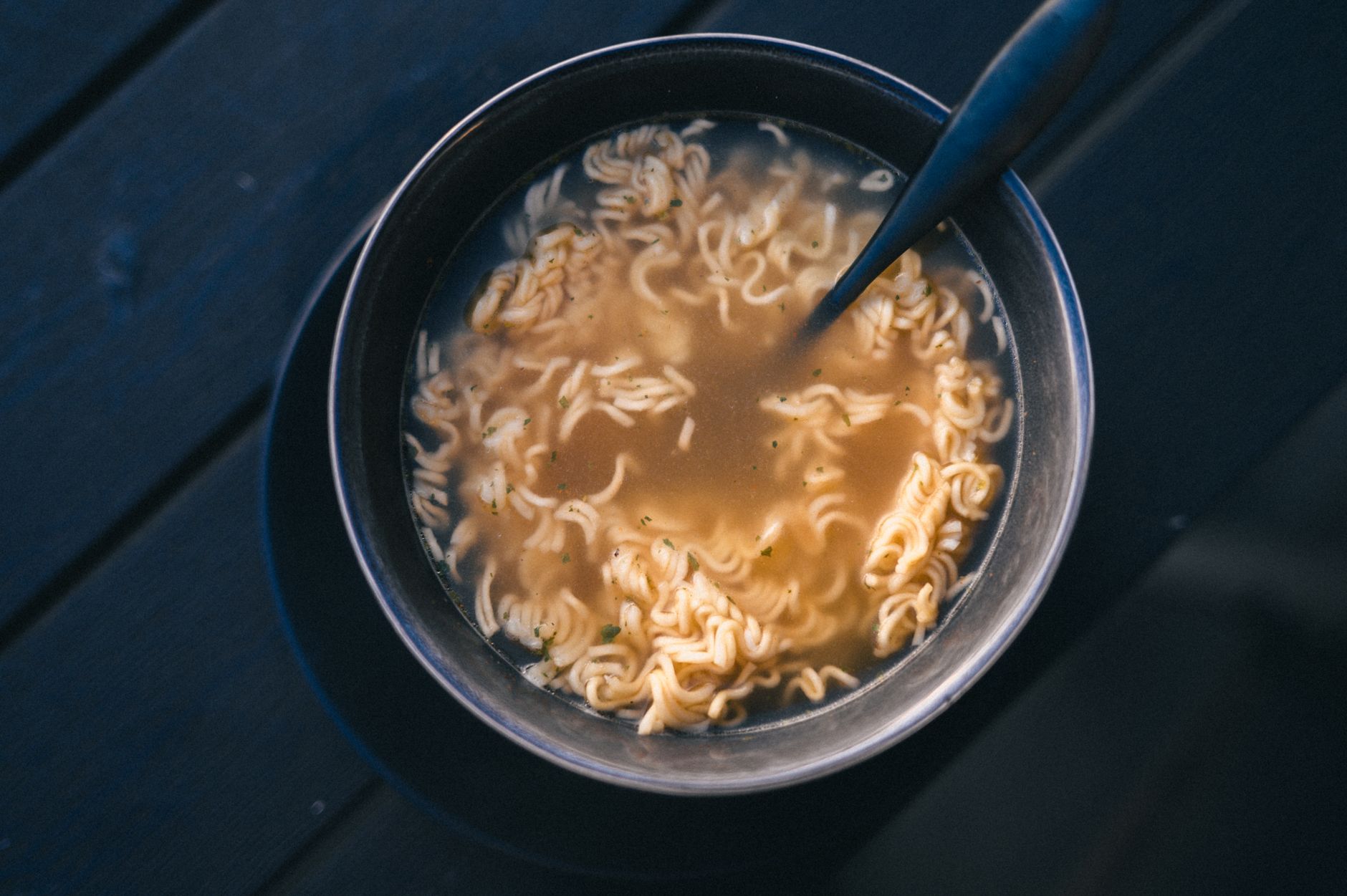
Noodles are a versatile and staple ingredient in many cuisines worldwide, ranging from Italian pasta to Asian varieties like ramen and udon. Each noodle type has its unique texture and flavor, influencing the overall dish. Understanding how long it takes to cook noodles is essential for achieving the perfect texture and flavor in your meals.
This guide will explore the cooking times and methods for various noodle types, ensuring that you master the art of cooking noodles. Whether you prefer them al dente or soft, the right cooking time can make all the difference.
How Long Does It Take to Cook Noodles?
The cooking time for noodles varies based on their type and thickness. Generally, most dried noodles take between 5 to 12 minutes to cook, while fresh noodles may only require 1 to 4 minutes. Always refer to the package instructions for specific cooking times, as they can differ between brands and types.
Understanding Different Types of Noodles
Noodles can be broadly categorized into several types, including dried, fresh, and specialty noodles. Here, we will break down the most common types and their usual cooking times to help you navigate your culinary endeavors.
Dried Noodles
Dried noodles are the most common type available in stores and have a longer shelf life than fresh varieties. Here are a few popular types of dried noodles and their typical cooking times:
- Spaghetti: 8 to 12 minutes
- Fettuccine: 8 to 12 minutes
- Penne: 10 to 12 minutes
- Macaroni: 7 to 9 minutes
- Soba Noodles: 4 to 6 minutes
Fresh Noodles
Fresh noodles are often made from eggs or water and flour. They cook quickly and provide a rich flavor. Typical cooking times include:
- Fresh Egg Noodles: 1 to 3 minutes
- Udon Noodles (fresh): 2 to 4 minutes
- Rice Noodles: 3 to 5 minutes
Specialty Noodles
Specialty noodles include gluten-free options or unique variations used in Asian cuisines. Here’s a brief look at some specialty noodles:
- Shirataki Noodles: 2 to 3 minutes (often pre-cooked)
- Rice Vermicelli: 3 to 5 minutes
- Glass Noodles: 5 to 7 minutes
Cooking Noodles: Basic Techniques
Cooking noodles may seem straightforward, but a few essential techniques ensure they are cooked evenly and to your desired texture. Here are some tips for cooking noodles successfully:
Boiling Method
The most common method for cooking dried and fresh noodles is boiling. Follow these steps for the best results:
- Use a large pot and fill it with water. A good rule of thumb is to use at least 4-6 quarts of water for every pound of noodles to prevent sticking.
- Bring the water to a rolling boil over high heat. Adding salt at this stage can enhance the noodles’ flavor.
- Add the noodles to the boiling water, stirring gently to prevent them from sticking together.
- Cook according to the recommended time on the package, tasting a noodle just before the timer goes off to check for doneness.
- Once cooked, drain the noodles in a colander and rinse if necessary (especially for starchier varieties). Toss with a little oil or sauce to prevent sticking.
Steaming Method
Steaming noodles is an alternative cooking method, especially suitable for fresh noodles. The process is simple as well:
- Prepare a steaming basket over boiling water. Line the basket with parchment paper to prevent sticking.
- Add the fresh noodles into the basket in a single layer, allowing steam to circulate.
- Cover and steam for 2 to 4 minutes, checking for doneness halfway through.
Common Mistakes While Cooking Noodles
Even the most experienced cook can make mistakes when preparing noodles. Here are some common pitfalls to avoid:
- Not salting the water: Salt enhances the flavor of noodles, so don’t skip this step. It should taste like seawater.
- Overcooking: Keep an eye on your noodles, particularly for fresh varieties that can become mushy quickly. Taste testing is critical.
- Not using enough water: If there isn’t enough water, the noodles may clump together and cook unevenly.
- Rinsing unnecessarily: While rinsing noodles can prevent sticking for some types, it washes away the starch that helps sauce adhere. Avoid this unless specified.
Flavoring and Adjusting Cooking Times
Cooking noodles to perfection also involves adjusting cooking times based on added ingredients or desired texture.
Cooking with Sauces or Broth
If you’re preparing a pasta dish that incorporates sauce, consider cooking the noodles slightly less than al dente. They will continue to cook when tossed with hot sauce, absorbing flavors. For broth-based dishes like ramen, you can cook the noodles directly in the broth for a seamless flavor integration.
Al Dente vs. Soft Noodles
The desired texture also impacts cooking times. Al dente noodles maintain a firmness while soft noodles are tender and more suitable for creamy or saucy dishes. Generally, subtract 1-2 minutes from the recommended cooking time for al dente noodles.
Storing and Reheating Noodles
Cooking in large batches? Knowing how to store leftovers extends their shelf life and keeps them delicious:
Storing Cooked Noodles
Here’s how to store cooked noodles properly:
- Allow cooked noodles to cool to room temperature.
- Toss with a small amount of olive oil to prevent sticking.
- Place in an airtight container and store in the refrigerator for up to 3-5 days.
Reheating Cooked Noodles
Reheating can be done in a few ways:
- Stovetop: Heat a pan on low, add a splash of water, and add the noodles, stirring until heated through.
- Microwave: Place noodles in a microwave-safe bowl, add a splash of water, and cover. Heat in 30-second intervals until warm.
- Boiling Water: Briefly submerge noodles in boiling water for about 30 seconds to heat.
Practical Serving Suggestions
The beauty of noodles lies in their versatility. Here are some delightful ways to serve them:
- Pasta Dishes: Serve spaghetti with marinara or fettuccine with Alfredo for classic Italian fare.
- Salads: Use cold noodles, such as soba or rice noodles, in refreshing salads with vegetables and sesame dressing.
- Stir-Fries: Incorporate stir-fried vegetables and proteins with your choice of noodles for a balanced meal.
- Soups: Add cooked noodles to brothy soups for added heartiness.
Ingredient Substitutions
Substituting different types of noodles can change a dish’s flavor and texture. Here’s a quick guide:
- Whole Wheat Pasta: Substitute for regular pasta for a nuttier flavor and higher fiber content. Cooking times may be similar.
- Zucchini Noodles: A low-carb alternative to traditional pasta, they cook very quickly (1-2 minutes) and work well in light sauces.
- Quinoa Noodles: Gluten-free option that usually takes around 7-10 minutes to cook and has a distinct taste.
Conclusion
Understanding how long it takes to cook noodles is essential for anyone who wants to create delicious meals at home. With various types of noodles available, knowing the right cooking times along with techniques ensures perfect results every time.
For your next culinary adventure, take these guidelines and experiment with different flavors, sauces, and ingredients! Consider trying out homemade ramen seasoning or learning more about udon noodles.
Explore more recipes, cooking tips, or food guides on our blog to enhance your culinary skills.