
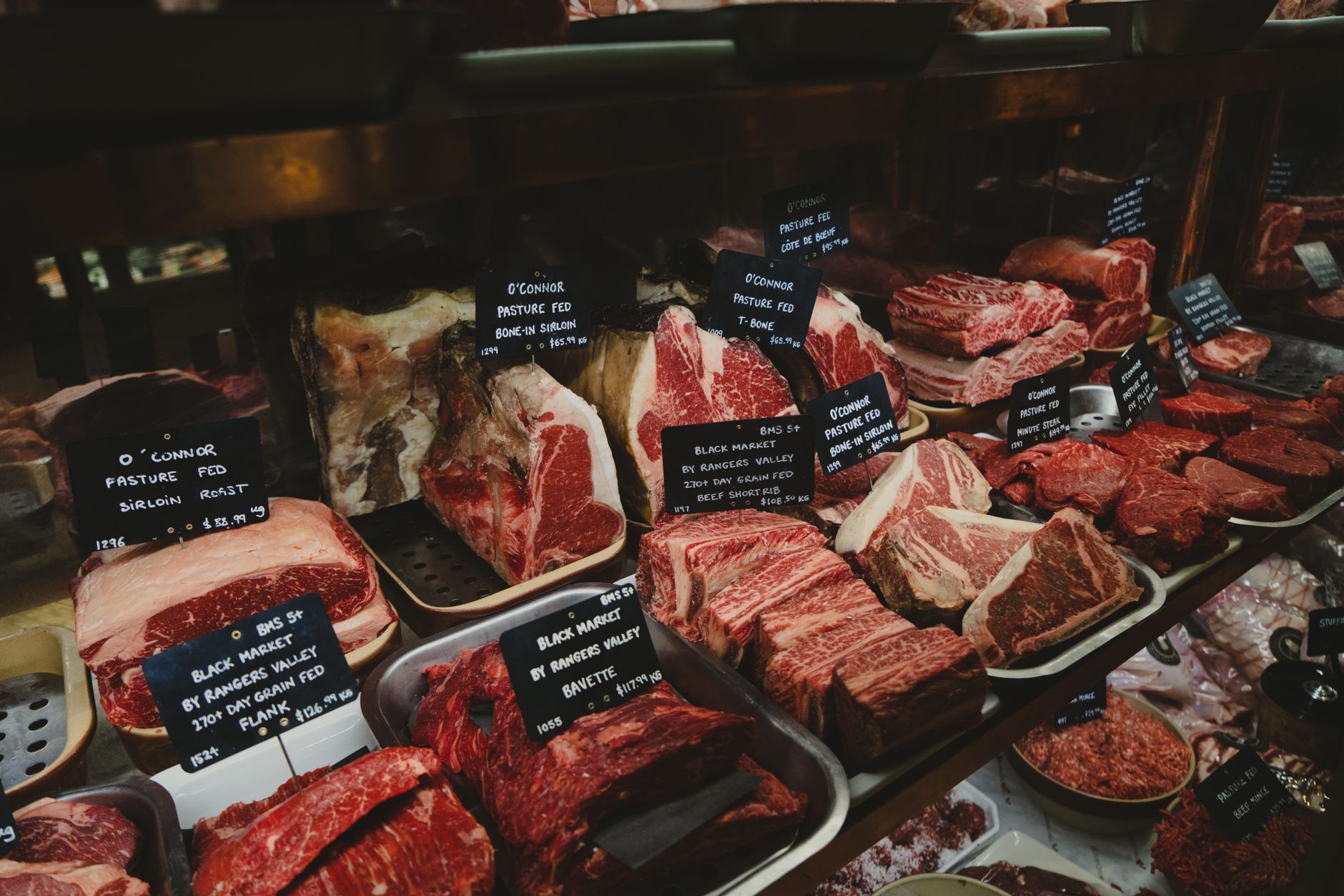
Understanding the differences between grass-fed and grain-fed beef can significantly impact your culinary choices and cooking results. One of the most intriguing aspects is the odor associated with grass-fed beef. Does it smell different compared to its grain-fed counterpart? In this article, we will explore the distinct characteristics of grass-fed beef, including aroma variations, signs of spoilage, and tips for proper handling and cooking.
In addition to examining how the diet of cattle affects the smell of the meat, we’ll discuss practical implications for purchasing and storing grass-fed beef. You’ll gain insights into what to expect when preparing this unique protein, ensuring that you can enjoy its flavors while understanding its particular nuances.
Does Grass Fed Beef Smell Different?
Yes, grass-fed beef does have a distinct smell that sets it apart from grain-fed beef. This difference is attributed to the natural diet of the cattle, which influences the meat’s fatty acid composition and overall aroma. Grass-fed beef tends to have a more earthy and herbaceous scent, while grain-fed beef often carries a sweeter and richer odor due to the grains and other feed supplements.
The Influence of Diet on Beef Aroma
The primary factor affecting the smell of beef is what the cattle consume. Grass-fed cattle eat a natural diet of grasses and forage, which affects the fatty acids in their meat. Omega-3 fatty acids, found in higher concentrations in grass-fed beef, can impart different aromas than the omega-6 fatty acids prevalent in grain-fed beef.
1. Grass-Fed Beef: Characteristics and Aroma
Grass-fed beef is often described as having a more robust and grassy aroma. The scent can evoke earthy notes and sometimes mild herbaceous qualities. These elements stem from the higher chlorophyll content present in pasture-raised cattle diets. In addition, the flavor profile of grass-fed beef is usually leaner and less rich than that of grain-fed varieties.
2. Grain-Fed Beef: Characteristics and Aroma
In contrast, grain-fed beef, which is typically finished on a diet of corn, soy, and other grains, has a sweeter and richer aroma. This is due to the high energy content of the grains, leading to a different fat composition. Many consumers find the smell of cooked grain-fed beef embodies a comfort-food feeling, rooted in traditional steakhouses and American barbecue.
3. Cooking Techniques and Aroma Development
The cooking method also plays a vital role in the aroma of beef. Grilling, for example, can intensify and enhance the inherent smells of the grass-fed beef, while steaming or boiling may soften its distinctive aroma. The Maillard reaction, which occurs during high-heat cooking, can further develop the savory scents and flavors of both grass-fed and grain-fed beef.
Recognizing Spoilage Signs in Grass-Fed Beef
To ensure the safety and quality of your beef, it’s important to understand how to recognize spoilage. Both grass-fed and grain-fed beef can spoil, but the signs may not be immediately evident. Learning how to identify these changes can protect your health and guarantee the best culinary experience.
1. Color Changes
Fresh grass-fed beef typically exhibits a bright red color. If you notice any brown or gray areas, it could be a sign of spoilage. However, slight color changes due to exposure to light are not always a cause for concern, as it may simply indicate the oxidation of myoglobin, a protein in the meat.
2. Strong Odors
While grass-fed beef does have a distinctive smell, an overly strong or sour odor can indicate spoilage. Fresh meat should have a mildly sweet, earthy scent. If the smell becomes unpleasant, it is best to discard the meat rather than risk foodborne illness.
3. Texture and Stickiness
A fresh piece of grass-fed beef should feel slightly moist but not sticky. If the surface of the meat becomes tacky or slimy, it is a sign that it may have begun to spoil. Always inspect your meat carefully before cooking.
4. Expiration Dates
Always check the packaging for expiration or sell-by dates. Grass-fed beef is often more perishable than its grain-fed counterpart, primarily due to lower fat content. Use the meat well before its expiration date for optimal quality and safety.
Storage and Handling of Grass-Fed Beef
Proper storage and handling are crucial for maintaining the quality of grass-fed beef. Here are essential tips to follow:
1. Refrigeration
- Store grass-fed beef in the coldest part of your refrigerator immediately after purchase.
- Keep the packaging sealed to prevent exposure to air, which can lead to oxidation and spoilage.
- Ground beef should be consumed within 1 to 2 days, whereas whole cuts can last 3 to 5 days in the fridge.
2. Freezing
- If you won’t use the beef within a few days, it’s best to freeze it.
- Wrap the beef tightly in plastic wrap or aluminum foil, and then place it in an airtight freezer bag to prevent freezer burn.
- Label the package with the date, and use it within 4 to 6 months for best quality.
3. Thawing
- Thaw frozen grass-fed beef in the refrigerator overnight rather than at room temperature. This method ensures a gradual thaw, keeping the meat at a safe temperature.
- Never refreeze thawed beef unless it has been cooked.
Cooking Tips for Enhancing Grass-Fed Beef Flavor
When cooking grass-fed beef, it’s essential to utilize techniques that enhance its natural flavors while compensating for its leaner composition. Here are several tips to get the best results:
1. Seasoning
- Do not skimp on seasoning; salt helps to bring out the flavor of grass-fed beef.
- Consider marinating the beef in a mixture containing acidity (like vinegar or citrus juice) to help tenderize the meat and boost flavor.
2. Cooking Temperature
- Cook grass-fed beef at lower temperatures compared to grain-fed, as it can easily dry out. Aim for medium-rare, which is around 130°F to 135°F (54°C to 57°C).
- Use a meat thermometer to monitor doneness accurately.
3. Resting Time
- Allow the meat to rest for at least 5-10 minutes after cooking to help redistribute the juices.
- This resting period will improve the flavor and juiciness of the beef.
Recipe Ideas Featuring Grass-Fed Beef
Here are a few simple and delicious ways to incorporate grass-fed beef into your meals:
1. Grass-Fed Beef Tacos
Cook ground grass-fed beef with onions, garlic, cumin, and chili powder for filling, zesty tacos.
2. Grilled Steak Salad
Season a grass-fed steak with salt and pepper and grill until medium-rare. Serve over a bed of mixed greens, avocado, tomatoes, and your favorite dressing.
3. Beef Stir-Fry
Slice grass-fed beef thinly and cook with colorful vegetables in soy sauce and ginger for a quick and nutritious stir-fry.
Common Mistakes When Cooking Grass-Fed Beef
1. Overcooking
Grass-fed beef cooks faster than grain-fed beef due to its lean nature. Monitor cooking closely to avoid overcooking.
2. Neglecting Temperature Control
Using too high of a heat can lead to a chewy texture. Reduce heat for a more evenly cooked result.
3. Ignoring Resting Times
Failing to rest the meat may result in dry beef. Always let it rest before slicing.
Conclusion and Takeaway
Grass-fed beef not only has a unique smell but also offers distinct flavors and attributes influenced by the cattle’s diet. Understanding the differences between grass-fed and grain-fed beef will enhance your cooking experience and food safety practices. Be sure to recognize the signs of spoilage, practice proper storage techniques, and follow the recommended cooking methods to enjoy the full benefits of this delicious protein.
Next time you’re in the market, consider picking up some grass-fed beef to explore its unique flavors and nutritional advantages. For more in-depth guides on food storage and preparation, check out our articles on how long ground beef is good for in the fridge and our beef stew seasoning recipe.