
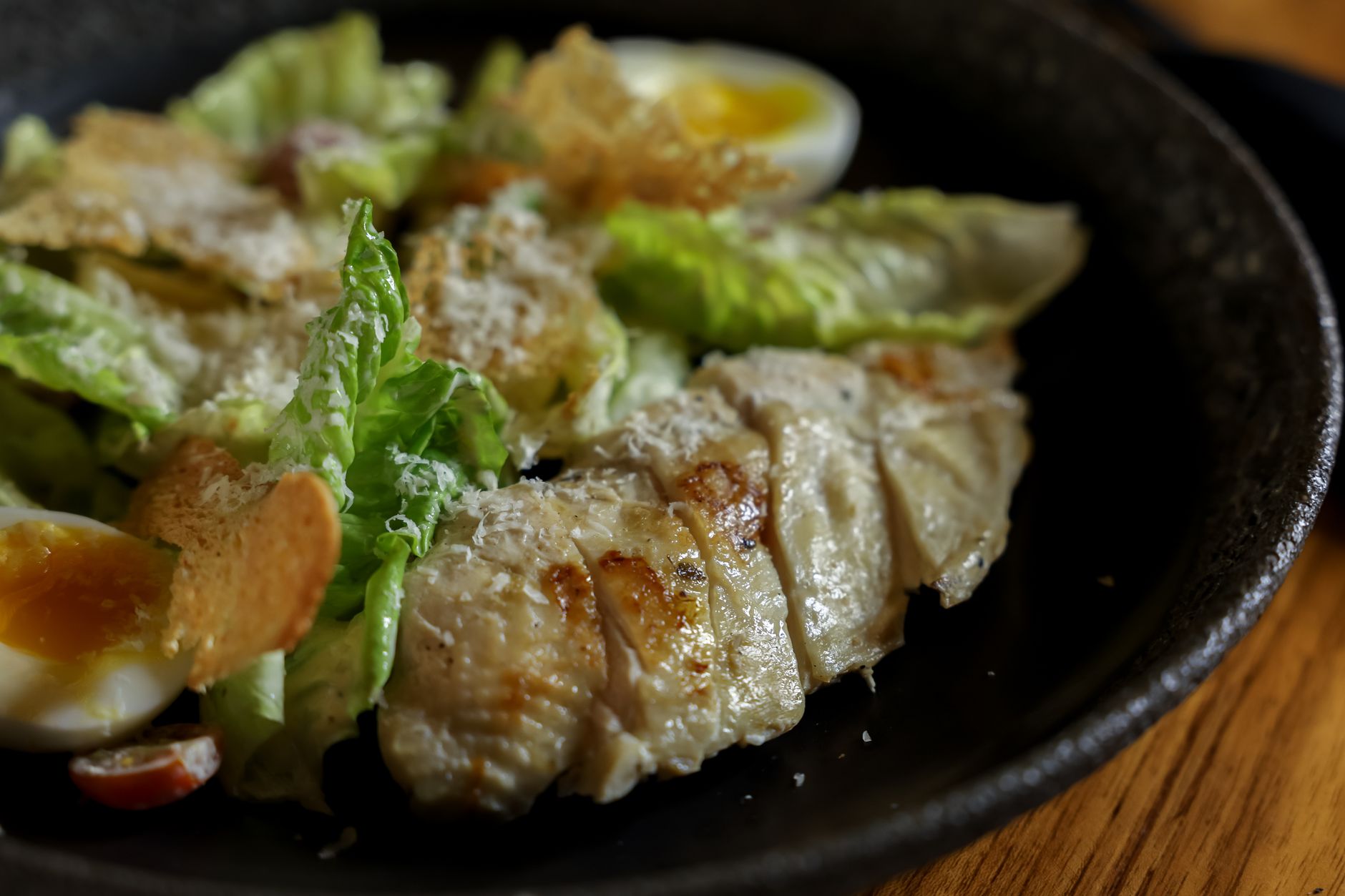
Boiling chicken breast is a simple yet effective cooking method that ensures moist, tender meat perfect for various dishes. Whether you are meal prepping, making soups, or just need shredded chicken for tacos, knowing how long to boil chicken breast is crucial. This guide will provide you with everything you need to boil chicken breast perfectly, including timing, doneness tips, and cooking techniques.
In this article, we will cover the recommended boiling times based on the size and thickness of the chicken breasts, tips for ensuring doneness, and some flavor enhancements to consider while cooking. Let’s dive into how to boil chicken breast correctly!
How Long Do U Boil Chicken Breast?
To boil chicken breast, the standard cooking time is approximately 15 to 20 minutes for average-sized breasts (about 6-8 ounces). However, the exact time may vary based on the chicken’s size and whether it’s frozen or thawed. The key is to reach an internal temperature of 165°F (74°C) for safe consumption.
Choosing the Right Chicken Breast
When boiling chicken breast, freshness and quality are critical for achieving the best flavor and texture. Here’s what to consider:
- Fresh vs. Frozen: Fresh chicken is ideal for boiling; however, frozen chicken can also be boiled directly, though it will require a longer cooking time.
- Organic or Free-Range: These options often have richer flavors and a better texture.
- Bone-In vs. Boneless: Boneless chicken breasts will cook faster and are easier to shred; bone-in will take longer but may impart more flavor to the broth.
Preparation Steps Before Boiling
Before you boil the chicken breasts, follow these preparation steps to ensure optimal results:
- Clean and Trim: Rinse the chicken breast under cold water and pat them dry with paper towels. Trim any excess fat or tendons, which might make the chicken chewy.
- Season: Consider adding salt and pepper or marinating the chicken for added flavor. Simple seasonings can include garlic powder, onion powder, or a bay leaf.
- Prepare the Pot: Use a large pot that can accommodate the chicken comfortably, and add enough water or broth to cover the chicken entirely.
Boiling Chicken Breast: Step-by-Step Instructions
Here’s a detailed procedure for boiling chicken breast:
- Place the Chicken in the Pot: Lay the chicken breasts in a single layer in the pot and ensure they do not overlap.
- Add Liquid: Pour in enough water or chicken broth to cover the chicken completely. Broth will enhance the chicken’s flavor.
- Add Seasonings: If desired, throw in herbs like thyme, a few peppercorns, or a garlic clove for additional flavor.
- Bring to a Boil: Cover the pot and bring the liquid to a rapid boil over medium-high heat.
- Reduce Heat: Once boiling, reduce the heat to medium-low and let the chicken simmer gently. This helps maintain moisture.
- Timing: Boil skinless, boneless chicken breasts for 15-20 minutes. For bone-in breasts, increase the time to 30-40 minutes, depending on size.
- Check Temperature: Use a meat thermometer to check the internal temperature. The chicken is done when it reaches 165°F (74°C) at the thickest part.
- Remove and Rest: Once cooked, remove the chicken from the pot and allow it to rest for at least 5 minutes before cutting or shredding.
Cooking Tips for Perfectly Boiled Chicken
To ensure that your boiled chicken breast is flavorful and tender, consider these helpful tips:
- Avoid Overcooking: Overcooking can lead to dry, rubbery chicken. Always aim for 165°F for perfect doneness.
- Let it Rest: Resting after boiling allows juices to redistribute, ensuring moist chicken.
- Use the Broth: Don’t discard the leftover broth. It can be used in soups, sauces, or to cook grains like rice or quinoa.
- Flavor the Broth: Add vegetables like carrots, celery, and onion to enhance the broth’s richness.
Common Mistakes and Troubleshooting
Even with the best intentions, mistakes can happen while boiling chicken. Here are some common issues and how to solve them:
- Chicken is Tough: This often results from overcooking. Use a thermometer to ensure you cook only until 165°F.
- Flavorless Chicken: If your chicken tastes bland, consider marinating beforehand or using well-seasoned broth in your boiling process.
- Uneven Cooking: Ensure that each piece of chicken is of similar size. If using larger pieces, cut them to ensure even cooking.
Serving Suggestions for Boiled Chicken Breast
Boiled chicken breast is incredibly versatile. Here are some ideas on how to serve it:
- Tacos or Burritos: Shred boiled chicken and use it as a filling for tacos or burritos with fresh toppings.
- Salads: Chop boiled chicken and add it to salads for protein—great options include Caesar salad or a chicken avocado salad.
- Soups: Use shredded chicken to enrich soups like chicken noodle or tortilla soup.
- Sandwiches: Make a chicken salad sandwich combined with mayonnaise, celery, and a touch of mustard.
Storage and Reheating Guidance
Proper storage and reheating of boiled chicken are essential to maintain its quality and safety:
- Storage: Store boiled chicken in an airtight container in the refrigerator for 3-4 days. For longer storage, freeze the chicken, which can last for 4-6 months.
- Reheating: Reheat boiled chicken gently in the microwave, stovetop, or oven until it reaches 165°F. Adding a splash of broth can help maintain moisture during reheating.
Flavor Variations and Enhancements
While boiled chicken breast can be enjoyed as is, consider these flavor variations to elevate your dish:
- Herb-Infused: Add fresh herbs like rosemary, basil, or parsley to the boiling liquid.
- Citrus Zest: Adding lemon or lime juice during cooking can brighten the flavor significantly.
- Spice It Up: Consider adding chili powder, paprika, or cayenne pepper to introduce heat.
Conclusion
Boiling chicken breast is a straightforward cooking technique that can yield fantastic results if done correctly. Remember to consider the size of the chicken pieces, monitor the cooking time, and check the internal temperature to ensure doneness. Once you master boiling chicken breast, you’ll have a versatile ingredient ready to enhance countless dishes.
For more specific information about cooked chicken storage and other related topics, feel free to explore our guides on how long cooked chicken lasts and how long to boil asparagus.