
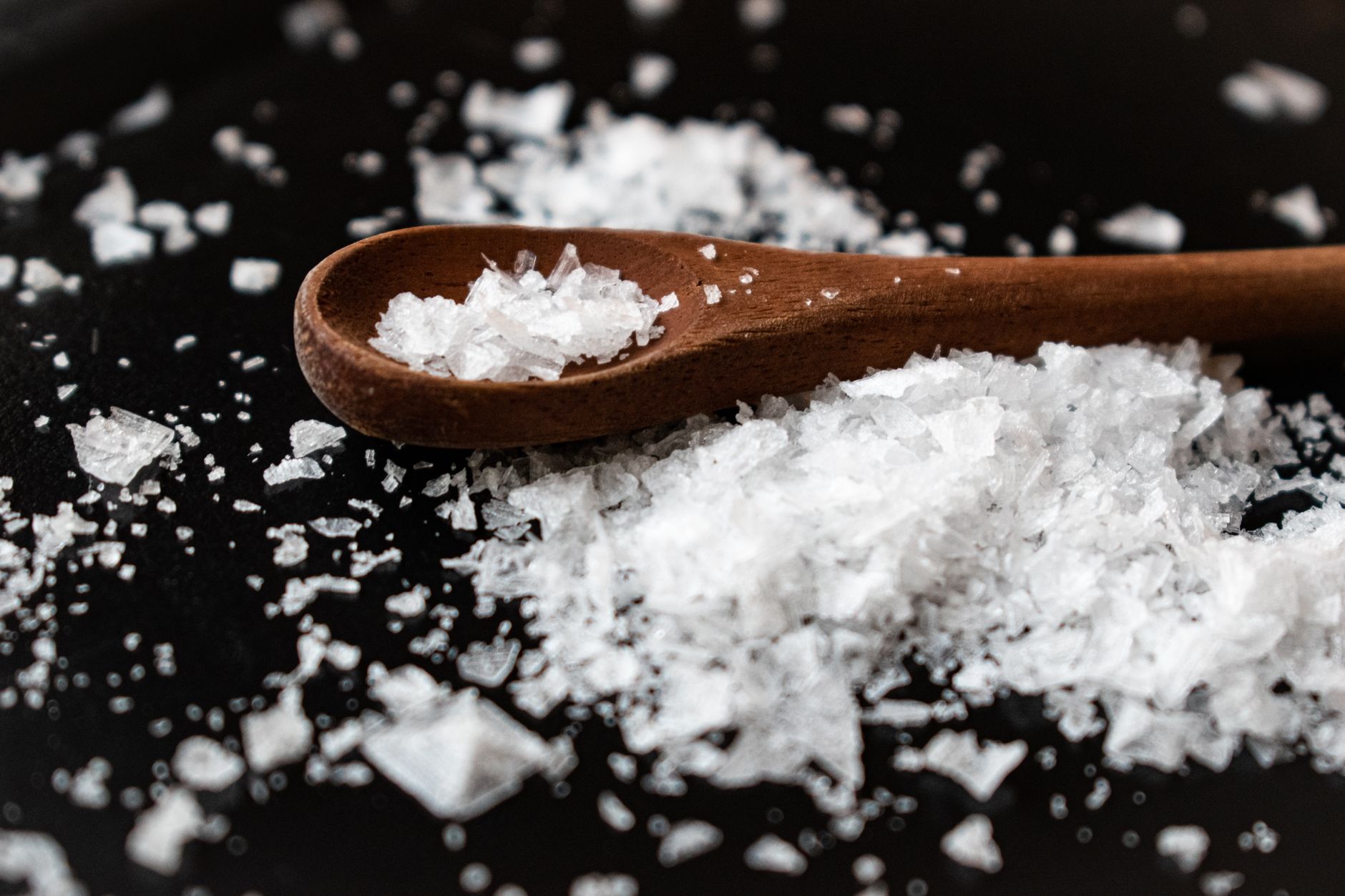
Kosher salt is a popular ingredient found in many kitchens, prized for its texture and flavor-enhancing properties. One common question is whether kosher salt is non-iodized. Understanding the characteristics of kosher salt can help you choose the right type for your cooking needs.
This article will explore what kosher salt is, its common uses, and whether it contains iodine, along with vegan options and ingredient alternatives. By the end, you’ll have a solid grasp of kosher salt and how to incorporate it into your cooking.
Is Kosher Salt Non Iodized?
Yes, most kosher salt is non-iodized. This means it does not contain added iodine, a mineral often found in regular table salt. The lack of iodine in kosher salt is one reason chefs prefer it for cooking, as it provides a more pure salinity and better texture for food preparation.
What Is Kosher Salt?
Kosher salt is a type of coarse salt used primarily in cooking and food preparation. Named for its use in the koshering process of meats, it is characterized by its larger grain size, which makes it easy to sprinkle and allows for better adherence to foods. This salt is favored by chefs because it dissolves quickly and provides a clean, robust flavor.
Common Uses of Kosher Salt
- Seasoning: Kosher salt is ideal for seasoning meats, vegetables, and soups.
- Brining: It is commonly used in brines for pickling and marinating food.
- Cooking: Chefs prefer kosher salt for salting pasta water and enhancing flavors in a variety of dishes.
- Finishing: Its coarse texture makes it an excellent finishing salt that adds a pleasing crunch and burst of flavor.
Why Is Iodine Added to Salt?
Iodine is an essential nutrient that supports thyroid function. In some countries, table salt is iodized to help prevent iodine deficiency, which can lead to health issues. The addition of iodine can also affect the flavor and quality of salt, which is why some chefs and cooks opt for non-iodized varieties, like kosher salt.
Flavor and Texture of Kosher Salt
The texture of kosher salt is coarser than regular table salt, enabling it to dissolve quickly when applied to food. This coarse grain size allows for better control when salting items, making it ideal for culinary applications where precise salinity is necessary. The clean flavor of kosher salt avoids the metallic taste that can be associated with iodized salt, making it a preferred option for many cooks.
Is All Kosher Salt Non Iodized?
While the majority of kosher salt is non-iodized, it is important to check the packaging, as some brands may offer iodized versions. The most common brand that produces kosher salt is Diamond Crystal, which is widely regarded as non-iodized. However, Morton’s kosher salt does contain some iodized variants, so always read labels to confirm.
Vegan Options with Kosher Salt
Kosher salt is a plant-based and vegan-friendly ingredient. It contains no animal products, making it suitable for all types of diets, including vegetarian and vegan diets. Whether you are seasoning vegetables, preparing beans, or making plant-based dishes, kosher salt can enhance the flavors without compromising dietary preferences.
Substituting Kosher Salt
If you do not have kosher salt available, there are several alternatives you can use. However, be mindful of the differences in grain size, which affects the saltiness level. Here are some common substitutes:
- Table Salt: Use 1/2 to 2/3 teaspoon of table salt for every teaspoon of kosher salt. Table salt is finer and denser, so adjust accordingly.
- Sea Salt: Use an equal amount of sea salt as a substitute for kosher salt. However, check the texture as certain sea salts can be saltier.
- Flaky Salt: Flaky salts like Maldon can be used in equal proportions, as they provide a similar texture and flavor profile.
Common Mistakes When Using Kosher Salt
When cooking with kosher salt, several common mistakes can affect the flavor of your dish:
- Assuming It’s Saltier: Due to its larger grains, kosher salt is less salty by weight compared to table salt. Always taste as you go.
- Not Using Enough: Some recipes call for specific measurements. Not using enough can lead to under-seasoned dishes, especially when brining meats.
- Not Adjusting for Substitutions: If substituting with table salt or sea salt, be sure to adjust the amounts to maintain the desired flavor.
Common Applications for Kosher Salt
Brining Meat
Kosher salt is commonly used for brining meat, enhancing flavor and moisture. The larger grains allow for better absorption into meat, making it especially effective for poultry, pork, and beef.
Seasoning Vegetables
When seasoning roasted or sautéed vegetables, kosher salt can elevate the natural flavors. Sprinkle a generous amount over the vegetables before cooking for enhanced taste.
Salting Water
Adding kosher salt to pasta or boiling water helps flavor the starch in the food, resulting in well-seasoned final dishes. The precise texture allows for even distribution.
Finishing Touch
Sprinkling kosher salt over finished dishes such as steak, salads, or baked goods can provide a delightful contrast in texture, complementing the flavors beautifully.
How to Store Kosher Salt
To ensure the longevity of your kosher salt, store it in a cool, dry place. Avoid moisture exposure, as it can clump the grains together. An airtight container also helps keep it fresh longer.
Keeping Kosher: Understanding Kosher Certification
If you want to adhere to kosher dietary guidelines, look for products that are certified kosher. The kosher certification ensures that the salt and its processing meet specific religious standards. This includes checking for the absence of additives like iodized compounds.
Comparative Analysis: Kosher Salt vs. Regular Salt
| Feature | Kosher Salt | Regular Table Salt |
|---|---|---|
| Grain Size | Coarse | Fine |
| Iodine Content | Usually non-iodized | Iodized (unless otherwise specified) |
| Flavor | Pure, no metallic taste | Can have a slight metallic taste due to iodine |
| Use in Cooking | Preferred for seasoning and brining | Common in baking and everyday cooking |
Recipe Ideas Using Kosher Salt
Incorporating kosher salt into your cooking is easy and flavorful. Here are a few recipe ideas where it plays an integral role:
- Brined Chicken: Create a simple brine using kosher salt, water, and herbs for moist, flavorful chicken.
- Roasted Vegetables: Toss seasonal vegetables in olive oil and kosher salt before roasting for a delightful side dish.
- Pasta Dishes: Salt your boiling pasta water with kosher salt to enhance the flavor of your pasta.
- Salted Caramel Sauce: A pinch of kosher salt in caramel adds balance and complexity.
It’s important to use kosher salt thoughtfully, remembering that its flavor and texture can greatly enhance your dishes. As you explore recipes, you’ll find that kosher salt is more than just an ingredient; it’s a valuable tool in the kitchen.
With its versatility, kosher salt can elevate your cooking, whether you’re preparing a simple weeknight meal or an elaborate feast. Embrace the benefits of kosher salt and experiment with its many culinary uses to bring out the best in your food.
Consider expanding your culinary knowledge by looking into related topics such as suitable substitutes for herbs like rosemary or proper brining techniques for meats. Explore more insights at our informative guides on substituting rosemary and brining chicken.