
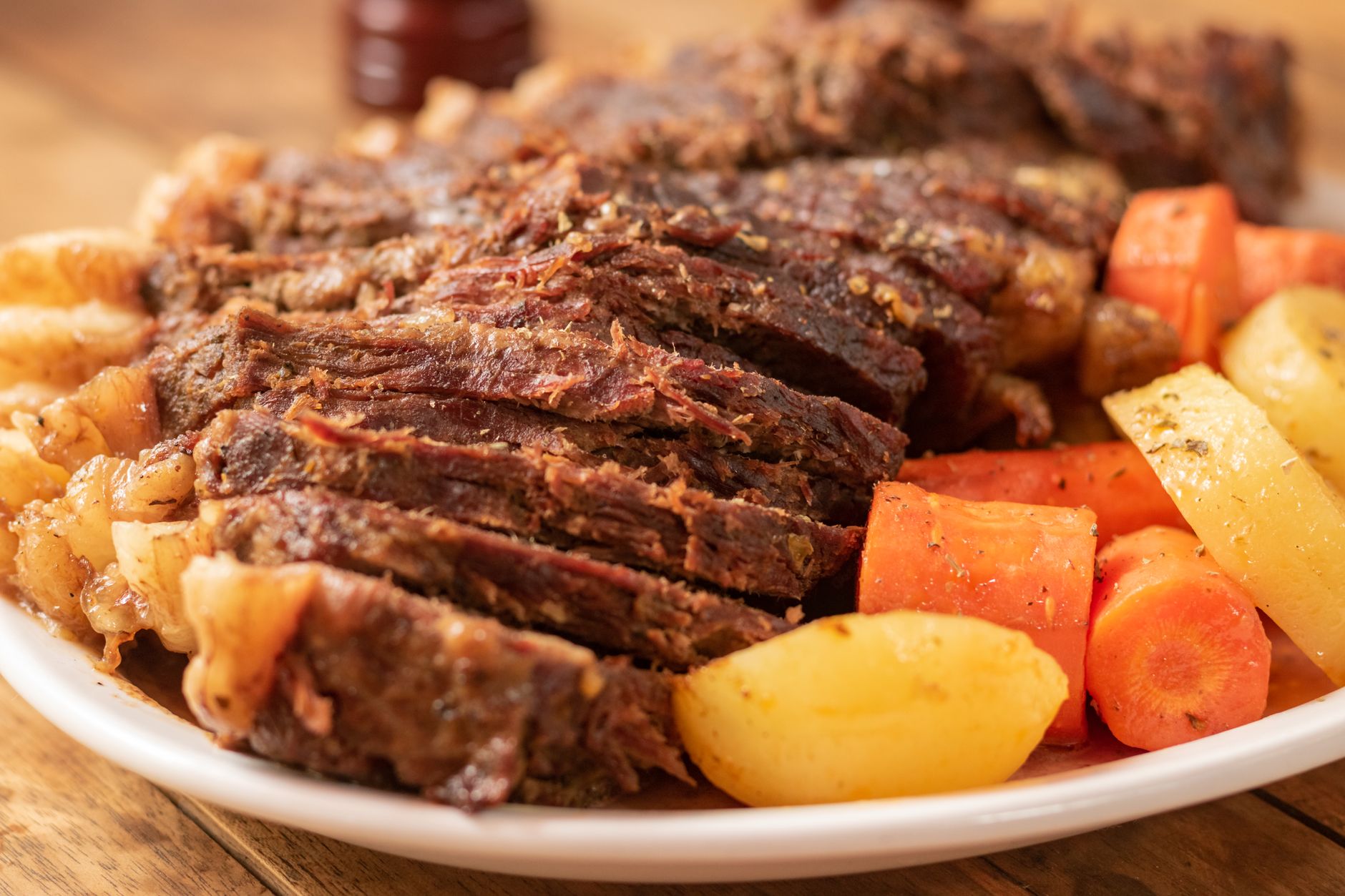
Roast beef is a classic dish that can bring comfort and flavor to any meal. Its tender, juicy texture and savory aroma make it a favorite for family dinners and special occasions. However, many home cooks find themselves unsure about how long to cook roast beef to achieve that perfect level of doneness.
Understanding the ideal cooking times and temperatures for roast beef can elevate your cooking game and ensure that your meal is both delicious and satisfying. This guide will provide you with essential information on cooking roast beef, including timing guidelines, proper temperatures, and tips for achieving the best results.
How Long to Cook Roast Beef?
The cooking time for roast beef depends on the size of the cut and the desired level of doneness. Generally, at a temperature of 325°F (163°C), you should expect to cook the beef for approximately:
- Rare: 15-20 minutes per pound
- Medium Rare: 20-25 minutes per pound
- Medium: 25-30 minutes per pound
- Medium Well: 30-35 minutes per pound
- Well Done: 35-40 minutes per pound
Investing in a reliable meat thermometer ensures that your roast beef will come out just the way you like it. The important internal temperatures to monitor are:
- Rare: 125°F (51.6°C)
- Medium Rare: 135°F (57.2°C)
- Medium: 145°F (62.8°C)
- Medium Well: 150°F (65.6°C)
- Well Done: 160°F (71.1°C)
Types of Roast Cuts
Before diving deeper into cooking times, it’s essential to understand the different cuts of roast beef. Each cut varies in tenderness and flavor, impacting both the cooking time and technique.
1. Rib Roast
This cut is known for its rich flavor and marbling, making it one of the most desirable cuts for roasting. It is often served during holiday gatherings and celebrations.
2. Sirloin Roast
A relatively lean cut, the sirloin roast is less fatty than a rib roast, yet it still delivers good flavor. It is a versatile option that works well for various cooking methods.
3. Round Roast
Round roasts are leaner cuts from the back leg of the cow and are best when cooked slowly to enhance tenderness. They are often less expensive compared to other cuts.
4. Chuck Roast
This cut comes from the shoulder area and is ideal for slow cooking or braising due to its toughness. When roasted, it needs longer cooking times but yields great flavor.
Preparing Roast Beef
The preparation is crucial for achieving a flavorful roast. Here are the steps to prepare your roast beef effectively:
- Choose Your Cut: Select a cut based on your preference and budget. A rib roast is ideal for tenderness, while chuck or round roasts are suitable for flavor.
- Season the Meat: Generously season your roast with salt, pepper, and other herbs or spices. Consider marinating the roast beforehand for enhanced flavor.
- Bring to Room Temperature: Allow the roast to sit at room temperature for at least 30 minutes before cooking for even cooking.
- Sear the Meat: For added flavor and a nice crust, sear the roast in a hot skillet with a little oil on all sides before transferring it to the oven.
Cooking Techniques for Roast Beef
Different cooking methods can influence the flavor and texture of roast beef. Below are common techniques along with their pros and cons:
1. Oven Roasting
This is the most popular method. To oven roast, preheat your oven to the desired temperature and place the seasoned roast on a rack in a roasting pan. Roast until the desired internal temperature is reached.
2. Slow Cooking
Using a slow cooker can result in deeply flavorful and tender roast beef. Set the cooker on low for 6-8 hours or high for 3-4 hours, depending on the size of the meat.
3. Braising
Braising involves browning the meat in a pan and then cooking it slowly in liquid. This method is ideal for tougher cuts like chuck roast, allowing the connective tissue to break down beautifully.
Common Mistakes to Avoid
Even experienced cooks can make mistakes when preparing roast beef. Here’s a list to help you avoid common pitfalls:
- Not Using a Meat Thermometer: The best way to ensure you have cooked the roast to the desired doneness is to use a thermometer.
- Skipping the Resting Period: Allowing the roast to rest before slicing helps retain the juices, resulting in a moister piece of meat.
- Overcooking: Always keep a close eye on the internal temperature; overcooking makes for a dry roast.
Resting and Slicing Roast Beef
The resting period is vital to the success of your roast. Here’s what to consider:
- Let it Rest: After removing your roast from the oven, tent it with foil and let it rest for 15-30 minutes. This allows the juices to redistribute within the meat.
- Slicing Technique: Always slice against the grain. This ensures more tenderness in each bite and enhances the overall experience.
Serving Suggestions for Roast Beef
Roast beef is incredibly versatile and can be served in various ways. Here are some ideas:
- Serve it sliced with classic accompaniments such as roasted vegetables or mashed potatoes.
- Use the leftovers to make delicious roast beef sandwiches with horseradish sauce.
- Pair it with a rich gravy for a heartier meal.
Make-Ahead and Storage Tips
If you’d like to prepare roast beef in advance or keep leftovers, follow these guidelines:
- Cooked roast beef can be refrigerated for up to 3-4 days. Ensure it is wrapped tightly to prevent drying out.
- You can also freeze cooked roast beef for 2-3 months. Slice it before freezing for easier portioning.
- Reheat leftovers gently in the oven or microwave to avoid further cooking.
Conclusion
Understanding how long to cook roast beef and mastering the techniques involved can help you create a delicious centerpiece for your next meal. Remember, always use a meat thermometer and allow your roast to rest for the best flavor and tenderness. Happy cooking!
Explore related recipes, cooking tips, or food guides such as our Dutch Oven Pot Roast Recipe and Top Round Roast Recipe to help elevate your culinary skills further.