
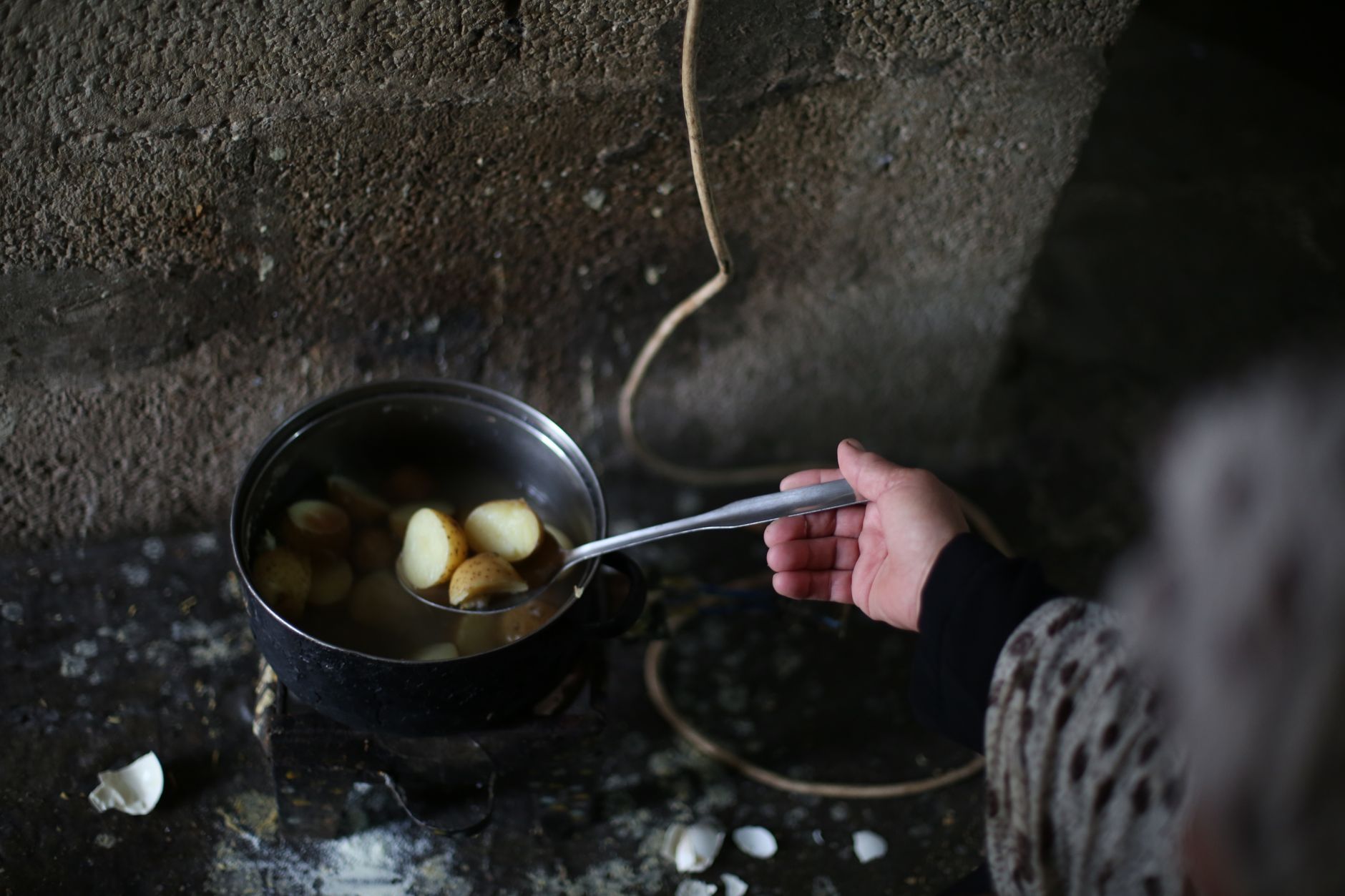
Boiling potatoes is a fundamental cooking technique that serves as a base for many dishes. Understanding how long it takes to boil potatoes can enhance your cooking skills and ensure perfectly tender results. This guide covers various potato types, boiling times, and practical tips for achieving optimal texture and flavor.
Whether you are preparing mashed potatoes, potato salad, or using boiled potatoes in stews, knowing the right boiling technique is essential. Let’s dive into the details of boiling potatoes, including timing, methods, and helpful tips to ensure your spuds come out just right.
How Long Does It Take to Boil a Potato?
Boiling potatoes typically takes between 10 to 30 minutes, depending on the type and size of the potatoes, as well as whether they are whole or cut. Larger or whole potatoes require more time, while smaller or diced potatoes will cook faster. The goal is to achieve a tender texture that is easy to mash or incorporate into other dishes.
Factors Influencing Boiling Time
Several factors influence how long it takes to boil potatoes. Understanding these can help you tailor the cooking process to your specific needs:
Type of Potato
- Waxy Potatoes: Varieties like red potatoes and fingerlings have a firm texture and a lower starch content, making them ideal for boiling. They usually take about 15 to 20 minutes.
- Starchy Potatoes: Varieties like Russets or Idaho potatoes are high in starch and break down more during cooking. They tend to boil in about 20 to 30 minutes when whole.
- All-Purpose Potatoes: Varieties like Yukon Gold offer a balance between waxy and starchy characteristics, typically boiling between 15 to 25 minutes.
Size and Cut of Potatoes
Whole potatoes take longer to cook than cut potatoes. Cutting potatoes into uniform sizes ensures even cooking and reduces the boiling time. Here’s a general guideline:
- Whole potatoes: 20 to 30 minutes
- Halved potatoes: 15 to 25 minutes
- Diced potatoes: 10 to 15 minutes
Starting Temperature
Potatoes added to boiling water will cook more quickly than if they are added to cold water and then brought to a boil. Starting with boiling water will maintain higher heat throughout the cooking process and reduce overall cooking time.
How to Boil Potatoes: A Step-by-Step Guide
Boiling potatoes is a straightforward process. This section will guide you through the steps to achieve perfectly boiled potatoes.
Ingredients
- Potatoes (any variety)
- Water
- Salt (optional)
Essential Equipment
- Large pot
- Colander
- Knife and cutting board (for cutting potatoes)
- Timer or clock
Instructions
- Prepare the Potatoes: Wash the potatoes thoroughly under cold water to remove any dirt. If using larger potatoes, you can peel them if desired, though leaving the skin on can add flavor and nutrients.
- Cut if Necessary: If you are using larger potatoes, cut them into evenly sized pieces (about 1-2 inches) to ensure even cooking. For smaller waxy potatoes, you can leave them whole.
- Bring Water to a Boil: Fill a large pot with water, adding a pinch of salt if desired, then bring it to a rolling boil over high heat.
- Add Potatoes: Carefully add the potatoes to the boiling water. For whole potatoes, ensure they are in a single layer to promote even cooking.
- Time the Cooking: Start your timer based on the size and cut of the potatoes, as detailed earlier. Use a fork to test for doneness periodically.
- Check for Doneness: Potatoes are done when they can be easily pierced with a fork or knife. Avoid overcooking, as this can lead to mushy potatoes.
- Drain the Potatoes: Once cooked, carefully drain the potatoes in a colander to remove excess water.
- Serve or Use as Desired: You can serve them immediately, mash them for a different dish, or let them cool for use in salads or other recipes.
Common Mistakes to Avoid
Avoid these common pitfalls when boiling potatoes to ensure the best results:
- Not Cutting Uniformly: If potatoes are not cut to a uniform size, some pieces will cook faster than others, leading to uneven texture.
- Overcrowding the Pot: Adding too many potatoes can lower the water temperature significantly, increasing cooking time and leading to uneven cooking.
- Not Salting Water: While optional, salting the water enhances flavor, particularly for mashed potatoes and salads.
- Cooking Too Long: Overcooked potatoes can become mushy. It’s essential to monitor them closely as they approach doneness.
Variations and Substitutions
While boiled potatoes are versatile on their own, you can enhance them with various flavors and ingredients:
Herb-Infused Water
Add fresh herbs such as rosemary, thyme, or bay leaves to the boiling water for added aroma and flavor in your boiled potatoes.
Flavored Broth
Instead of plain water, use vegetable or chicken broth to boil your potatoes. This adds an additional layer of flavor, especially useful in salads.
Additions for Mash
If preparing mashed potatoes, consider adding garlic, cream, or buttermilk during mashing for a rich flavor.
When to Boil Potatoes vs. Other Cooking Methods
While boiling is a classic technique, it’s helpful to know when to choose boiling over other methods like roasting or steaming:
When to Boil
- When making mashed potatoes or potato salad where softness is key
- When the recipe specifically calls for boiled potatoes
- When time is constrained, and quick cooking is required
Other Cooking Methods
For recipes that call for a firmer texture, consider these alternatives:
- Roasting: Provides a crispy exterior and a soft interior, enhancing flavor through caramelization.
- Steaming: Retains more nutrients and provides a firmer result, ideal for salads.
- Microwaving: A quick alternative that yields similar results to boiling, particularly for smaller or halved potatoes.
Storage and Reheating Tips
Boiled potatoes can be stored and reused in various dishes. Follow these guidelines for storage and reheating:
Storage
- Cool boiled potatoes to room temperature before refrigerating.
- Store them in an airtight container in the refrigerator for up to 3 to 5 days.
Reheating
To reheat boiled potatoes:
- Microwave: Place potatoes in a microwave-safe dish with a splash of water, cover with a microwave-safe lid, and heat in 30-second increments until warm.
- Stovetop: Heat in a pan with a little water or oil, stirring frequently until heated through.
- Oven: Preheat to 350°F (175°C) and reheat in a covered dish for about 15-20 minutes.
Serving Suggestions
Boiled potatoes have endless serving possibilities. Here are some ideas:
Simple Dishes
- Top with butter, salt, and pepper for a classic side.
- Mix with sour cream and chives for a creamy side dish.
Incorporating into Recipes
- Use boiled potatoes as a base for potato salad, mixing in vegetables, dressing, and seasonings.
- Combine in stews, casseroles, or as a side to meats and fish.
Conclusion
Understanding the intricacies of boiling potatoes, including timing and techniques, creates a solid foundation for countless meals. Whether mashing, salad-making, or simple steaming, perfectly boiled potatoes enrich your culinary repertoire. Next time you need to boil potatoes, refer to this guide for success!
Explore more cooking techniques or ingredient guides by checking out our articles on how long to boil asparagus and how long to bake a sweet potato.