
Understanding the types of foods that contain fat can help you make informed dietary choices. Fats play a crucial role in our bodies, providing energy, supporting cell growth, and aiding in the absorption of certain nutrients. This article will explore various foods that contain fat, examining their benefits, culinary applications, and how to incorporate them into your meals effectively.
From healthy oils to creamy dairy products, fats come in many forms. Knowing which foods have fat, as well as the nutritional profiles they offer, can enhance your cooking and meal planning skills.
What Foods Have Fat?
Foods that contain fat can be categorized into several groups: animal-based fats, plant-based fats, and processed fats. Each group includes foods that vary in flavor, texture, and health benefits. Here’s a breakdown of what to expect from different types of fatty foods.
1. Animal-Based Fats
Animal fats are typically saturated fats, which can be solid at room temperature. While some animal fats can be considered less healthy when consumed excessively, others provide essential nutrients.
Common Animal-Based Fats
- Butter: Made from cream, butter is commonly used in baking, cooking, and as a spread. It contains about 81% fat, primarily saturated.
- Ghee: A clarified form of butter popular in Indian cuisine, ghee has an intense flavor and a high smoke point, making it a great choice for frying and sautéing.
- Cheese: Different cheeses contain varying fat levels, ranging from low-fat options to rich varieties like cheddar or brie. Cheese adds creaminess and depth to dishes.
- Lard: Rendered pork fat, lard is often used in baking pastries and making dishes like refried beans. It has a unique flavor and a high smoke point.
- Fatty Cuts of Meat: Cuts such as ribeye steak, pork belly, and duck breast are high in fat; they are often juicier and more flavorful compared to lean cuts.
- Egg Yolks: While the egg white contains no fat, the yolk is rich in fats and contributes to the creaminess in sauces like mayonnaise or aioli.
2. Plant-Based Fats
Plant-based fats are generally healthier than animal-based fats, as they often contain unsaturated fats, which can be beneficial for heart health.
Common Plant-Based Fats
- Olive Oil: Rich in monounsaturated fats, olive oil is widely used for dressing salads and cooking. Extra virgin olive oil is ideal for drizzling due to its rich flavor.
- Coconut Oil: While it’s high in saturated fat, coconut oil has a unique flavor and can be used in smoothies, baking, and sautéing.
- Avocado Oil: This oil is high in monounsaturated fat and has a mild flavor. It is great for frying and roasting due to its high smoke point.
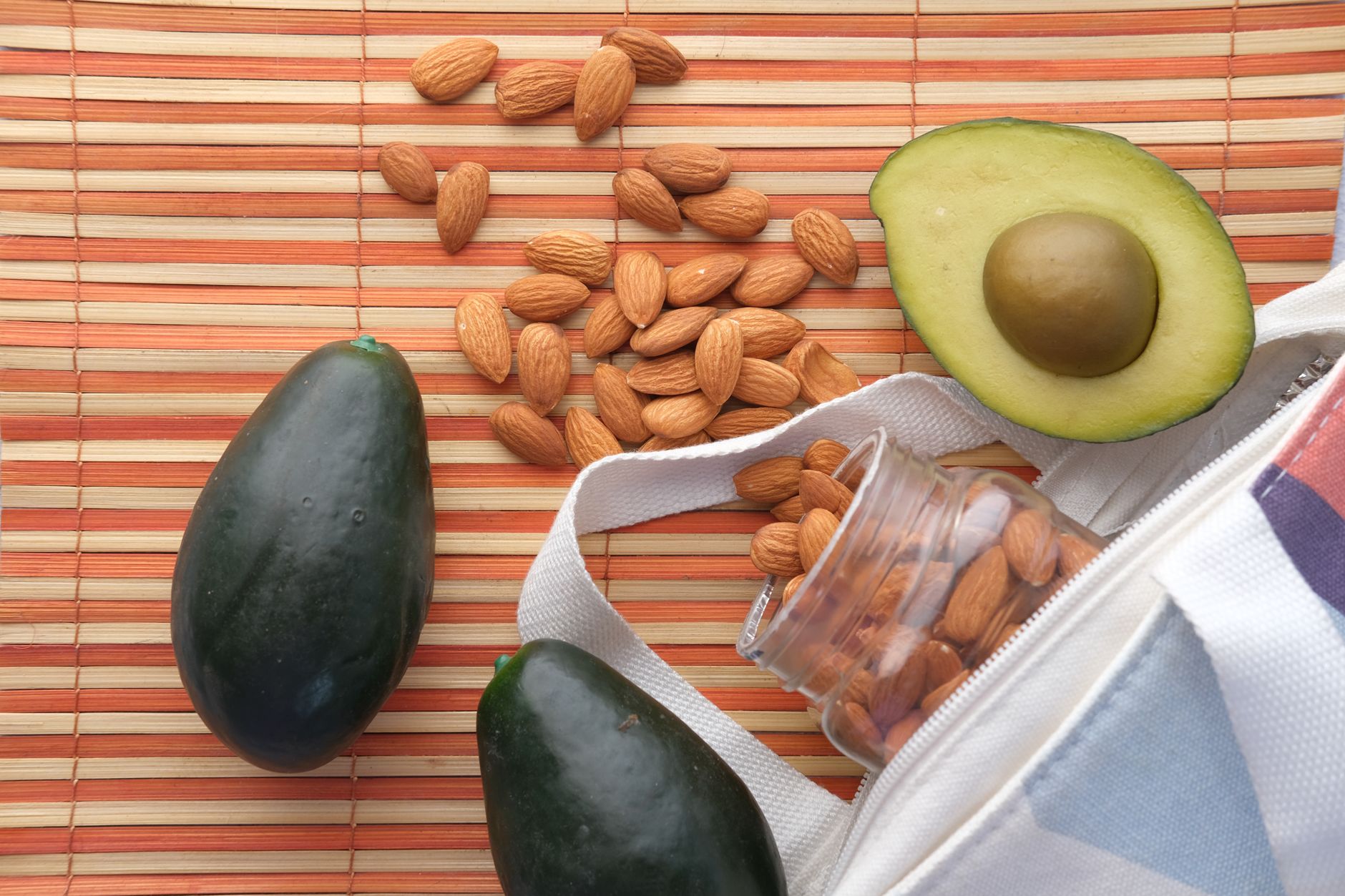
- Nuts and Seeds: Almonds, walnuts, chia seeds, and flaxseeds are all high in healthy fats, along with fiber and protein. They can be added to salads, smoothies, or eaten as snacks.
- Nut Butters: Peanut, almond, and cashew butters provide a rich source of fats and proteins, making them great on toast or in smoothies.
- Dark Chocolate: Higher cocoa content chocolates contain fat primarily from cocoa butter, providing a rich flavor and potential health benefits when consumed in moderation.
3. Processed Fats
Processed fats are often found in ready-to-eat foods and snacks. These include unhealthy trans fats, which should generally be avoided, as they raise bad cholesterol levels and lower good cholesterol levels.
Common Processed Fats
- Vegetable Oils: Common oils like soybean, canola, and corn oil are often used in processed foods and frying, but they can be high in unhealthy trans fats.
- Margarine: Often used as a butter substitute, some margarines contain trans fats, making it essential to choose brands that are trans fat-free.
- Packaged Snacks: Many cookies, chips, and frozen meals contain partially hydrogenated oils, which introduce unhealthy fats into your diet.
- Ready-Made Sauces: Many sauces and dressings contain oils that may include unhealthy fats along with added sugars and preservatives.
Benefits of Fats in Your Diet
Fats often receive a bad reputation, but they play several key roles in supporting health:
- Energy Source: Fats are calorie-dense, providing about nine calories per gram, making them a substantial source of energy.
- Nutrient Absorption: Certain vitamins, such as A, D, E, and K are fat-soluble, meaning they require fat for effective absorption.
- Cell Structure: Fats are an integral component of cell membranes, contributing to their structure and integrity.
- Hormone Production: Fats are vital for producing hormones, including those important for metabolism and reproductive health.
How to Incorporate Fats into Your Diet
Incorporating fats into your diet does not need to be complicated. Here are some practical ideas:
Culinary Uses of Fats
- Cooking: Use healthy oils such as olive or avocado oil for sautéing vegetables or as a base for sauces.
- Baking: Replace butter with coconut oil or use nut butters in recipes to introduce healthy fats.
- Dressings: Create homemade salad dressings with oils, vinegar, and seasonings for flavor and healthy fat content.
- Snacking: Pair nuts or seeds with fruits for a wholesome, satisfying snack.
- Breakfast: Add avocado to eggs or toast for a creamy addition that is high in healthy fats.
Practical Tips for Working with Fats
- Choose Quality: Opt for high-quality, minimally processed fats when possible, such as extra-virgin olive oil or grass-fed butter.
- Use in Moderation: While healthy fats are beneficial, consuming them in moderation is key to maintaining a balanced diet.
- Storage: Store fats properly to avoid rancidity; keep oils in a cool, dark place, and refrigerate nut butters if necessary.
- Be Mindful of Labels: Read ingredient labels for processed foods to avoid unhealthy trans fats and excessive sugars.
- Experiment: Don’t shy away from trying different fats in recipes for variety and new flavors.
Common Mistakes to Avoid
When integrating fats into your meals, steer clear of these pitfalls:
- Overlooking Portion Sizes: It can be easy to overindulge in high-fat foods; be conscious of portion sizes.
- Ignoring Food Labels: Not checking for trans fats in packaged foods can lead to unintended consumption of unhealthy fats.
- Excessive Heat: Using oils beyond their smoke point can lead to the oils breaking down and forming unhealthy compounds.
- Relying on Processed Fats: Opt for whole foods when possible and limit reliance on processed snacks and ready-made meals.
Storing and Reheating Fat-Based Foods
Proper storage and reheating are essential to maintain the quality and safety of fat-containing foods:
Storage Tips
- Store oils in a cool, dark place, away from heat sources. A pantry or cupboard is preferable.
- Keep dairy products like butter and cheese refrigerated, and seal them tightly to prevent air exposure.
- For nut butters, consider storing them in the fridge once opened to extend freshness.
Reheating Guidelines
- When reheating foods high in fat, do so on low to medium heat to prevent burning or degradation of the fats.
- For baked goods containing fats, use lower temperatures to preserve moisture.
- Always ensure to check that meats and other high-fat dishes are reheated to a safe temperature.
Conclusion
Fats are a crucial component of any balanced diet, offering flavor, texture, and nutritional benefits. Understanding what foods have fat, how to use them effectively, and being aware of quality can greatly enhance your culinary repertoire. With the right choices, you can enjoy the richness of fats while maintaining your health.
For those looking to expand their culinary skills, consider trying a delightful chia pudding recipe with coconut milk or whipping up some luscious cinnamon rolls using heavy cream. Both recipes are fantastic ways to enjoy dish richness while benefiting from healthy fats.