
English scones are the crown jewel of afternoon tea, combining buttery layers with a tender crumb that practically begs for clotted cream and jam. These golden beauties take less than 30 minutes from mixing bowl to table, making them perfect for weekend brunches or impromptu gatherings.
What separates a good scone from a great one? The answer lies in cold butter, a gentle hand, and resisting the urge to overwork the dough. Once you master these simple techniques, you’ll never buy store-bought scones again.
Why You’ll Love This Recipe
This recipe delivers bakery-quality scones without any fancy equipment or hard-to-find ingredients. The method is forgiving enough for beginners yet produces results that will impress even the most discerning tea enthusiast.
- Ready in under 30 minutes from start to finish
- Requires only 7 basic pantry ingredients
- Creates perfectly flaky layers without laminating dough
- Freezes beautifully for fresh scones anytime
- Adaptable to both sweet and savory variations
My Experience Making This Recipe
I’ve burned through at least twenty batches perfecting this recipe, and the biggest lesson I learned was counterintuitive: less handling creates better texture. My first attempts resulted in hockey pucks because I treated the dough like bread, kneading and working it until the butter completely disappeared.
The game changed when I started keeping everything ice cold and barely bringing the dough together. Now my kitchen fills with the aroma of buttery, slightly sweet scones that shatter into tender layers with each bite.
My family devours these faster than I can make them, especially when I serve them warm with strawberry jam and thick cream. Even my British neighbor, who grew up eating scones in Devon, grudgingly admitted these rival her grandmother’s recipe.
Recipe Overview
- Recipe Name: English Scones
- Servings: 8 scones
- Prep Time: 15 minutes
- Cook Time: 15 minutes
- Total Time: 30 minutes
- Course: Breakfast, Brunch, Dessert
- Cuisine: British
- Calories per Serving: 285
Equipment You Will Need
- Large mixing bowl
- Pastry cutter or fork
- Baking sheet
- Parchment paper or silicone baking mat
- 2.5-inch round cutter or drinking glass
- Measuring cups and spoons
- Small bowl for egg wash
- Pastry brush
- Box grater (optional, for grating frozen butter)
Ingredients for English Scones
- 2 cups all-purpose flour, plus extra for dusting
- 1/4 cup granulated sugar
- 1 tablespoon baking powder
- 1/2 teaspoon salt
- 1/2 cup unsalted butter, very cold and cut into small cubes
- 1/2 cup heavy cream, plus 2 tablespoons for brushing
- 1 large egg
- 1 teaspoon vanilla extract
Ingredient Notes and Substitutions
- All-purpose flour: Provides the structure and creates a tender crumb when handled gently. You can substitute with half whole wheat flour for a heartier texture, though the scones will be denser.
- Baking powder: Creates the rise and light texture characteristic of proper scones. Make sure yours is fresh (less than 6 months old) or the scones won’t rise properly.
- Cold butter: Creates steam pockets during baking that produce flaky layers. Coconut oil can substitute for dairy-free scones, but freeze it solid first and expect a slightly different texture.
- Heavy cream: Adds richness and moisture without making the dough wet. Whole milk works in a pinch, though the scones will be slightly less rich and tender.
- Egg: Binds the dough and enriches the flavor. For egg-free scones, use 3 tablespoons of additional cream, but the color will be paler.
- Vanilla extract: Enhances the overall flavor without making scones taste overtly vanilla. Almond extract creates a lovely alternative flavor profile.
How to Make English Scones
Step 1: Prepare Your Oven and Baking Sheet
Preheat your oven to 400°F and line a baking sheet with parchment paper. Getting the oven properly hot before the scones go in creates the initial burst of heat that produces the best rise.
Step 2: Mix the Dry Ingredients
Whisk together the flour, sugar, baking powder, and salt in a large bowl until evenly combined. This step distributes the leavening agent throughout the flour, which prevents uneven rising and ensures every scone bakes consistently.
Step 3: Cut in the Cold Butter
Add the cold butter cubes to the flour mixture and use a pastry cutter or fork to work them in until the mixture resembles coarse breadcrumbs with some pea-sized pieces remaining. Those visible butter chunks are your friends because they melt during baking and create the signature flaky layers.
Step 4: Combine the Wet Ingredients
Whisk together the heavy cream, egg, and vanilla extract in a small bowl until smooth. Combining these separately ensures even distribution throughout the dough rather than creating pockets of egg or cream.
Step 5: Form the Dough
Pour the wet ingredients into the flour mixture and stir gently with a fork until the dough just comes together. The dough should look shaggy and slightly dry rather than smooth, which means you haven’t overworked it.
Step 6: Shape and Cut the Scones
Turn the dough out onto a lightly floured surface and gently pat it into a circle about 3/4 inch thick. Use a 2.5-inch round cutter dipped in flour to cut out scones, pressing straight down without twisting (twisting seals the edges and prevents rising).
Step 7: Prepare for Baking
Place the scones on your prepared baking sheet, spacing them about 2 inches apart. Brush the tops with the remaining heavy cream, which creates a beautiful golden crust and helps the tops brown evenly.
Step 8: Bake Until Golden
Bake for 13-15 minutes until the scones are golden brown on top and sound hollow when tapped on the bottom. The bottoms should be lightly golden, and the scones should have risen to about double their original height.
Step 9: Cool Briefly Before Serving
Transfer the scones to a wire rack and let them cool for 5 minutes before serving. They’re best enjoyed warm when the exterior is crisp and the interior is still tender and steaming.
Pro Tip: Freeze your butter for 15 minutes before making scones, then grate it on a box grater instead of cutting it into cubes. This creates perfectly distributed butter flakes throughout the dough and makes achieving flaky layers almost foolproof.
Tips for the Best English Scones
- Keep everything cold, including your mixing bowl if possible, because warm ingredients cause the butter to melt prematurely and result in dense scones instead of flaky ones.
- Press your cutter straight down without twisting when cutting scones. Twisting seals the edges and prevents the layers from separating and rising properly during baking.
- Gather and gently re-pat any scraps only once to cut additional scones. The second batch won’t be quite as tender, but they’re still delicious.
- Place scones close together on the baking sheet if you prefer soft-sided scones, or space them apart for scones with crispy edges all around.
- Avoid opening the oven door during the first 10 minutes of baking. The temperature drop can cause scones to collapse before they’ve set properly.
- Use a light hand when mixing and shaping the dough because overworking develops gluten, which creates tough, bread-like scones instead of tender ones.
Common Mistakes to Avoid
- Using warm or room-temperature butter melts the fat into the flour before baking, eliminating the steam pockets that create flaky layers.
- Overworking the dough activates too much gluten and results in tough, chewy scones that lack the characteristic tender crumb.
- Skipping the egg wash or cream brush leaves you with pale, dry-looking tops instead of the beautiful golden-brown finish that makes scones so appealing.
- Baking at too low a temperature causes scones to spread outward instead of rising upward, producing flat, dense results.
- Measuring flour by scooping directly from the bag packs too much into your cup, creating dry scones that crumble apart instead of holding together.
Serving Suggestions
Traditional British service calls for clotted cream and strawberry jam, but these scones shine with countless accompaniments. The slightly sweet, buttery flavor pairs beautifully with both rich and fruity toppings.
- Classic clotted cream and your favorite jam (the Devon versus Cornwall debate about which goes on first is entirely up to you)
- Lemon curd and whipped cream for a bright, tangy contrast to the rich scone
- Salted butter and honey for a simple, rustic presentation
- Fresh berries and mascarpone cheese for an Italian-inspired twist
- Smoked salmon and cream cheese for a savory brunch option (reduce sugar to 1 tablespoon for this variation)
Variations to Try
- Fruit scones: Fold in 1/2 cup of dried currants, cranberries, or chopped dried apricots after cutting in the butter. The fruit adds pockets of sweetness and creates a more traditional British tea scone.
- Cheese and herb scones: Reduce sugar to 1 tablespoon and add 3/4 cup shredded sharp cheddar and 2 tablespoons chopped fresh chives. These savory scones are incredible with soup or alongside eggs.
- Chocolate chip scones: Fold in 1/2 cup of chocolate chips and add 1 tablespoon of cocoa powder to the dry ingredients. The result tastes like a sophisticated chocolate pastry rather than a cookie.
- Lemon blueberry scones: Add 1 tablespoon of lemon zest and gently fold in 3/4 cup of fresh blueberries. The bright citrus and tart berries create a refreshing breakfast treat.
- Cinnamon sugar scones: Add 1 teaspoon of cinnamon to the dough and sprinkle the tops with cinnamon sugar before baking. These taste like the best parts of a cinnamon roll in scone form.
Dietary Adaptations
- Gluten-free: Replace the all-purpose flour with a 1:1 gluten-free baking flour blend that contains xanthan gum. The texture will be slightly more crumbly but still delicious.
- Dairy-free: Use frozen coconut oil in place of butter and full-fat coconut cream instead of heavy cream. The scones will have a subtle coconut flavor and won’t be quite as flaky.
- Vegan: Combine the dairy-free swaps above and replace the egg with 3 tablespoons of additional coconut cream mixed with 1 tablespoon of apple cider vinegar. Let this mixture sit for 5 minutes before using.
- Low-carb: Substitute almond flour for half the all-purpose flour and use a sugar substitute like erythritol. The scones will be denser and nuttier but still satisfying for those watching carbohydrates.
Storage and Reheating
Refrigerator
Store baked scones in an airtight container at room temperature for up to 2 days. The texture stays best when they’re not refrigerated, as cold temperatures can dry them out and make them stale faster.
Freezer
Scones freeze exceptionally well either before or after baking. Here’s how to handle both methods:
- For unbaked scones, cut and shape them, then freeze on a baking sheet until solid before transferring to a freezer bag. Bake from frozen, adding 2-3 minutes to the baking time.
- For baked scones, cool completely and freeze in a single layer before storing in freezer bags for up to 3 months.
Reheating
Proper reheating brings back that fresh-from-the-oven texture. Avoid the microwave, which makes scones rubbery and tough.
- Reheat room-temperature scones in a 300°F oven for 5-7 minutes until warmed through
- For frozen baked scones, thaw at room temperature for 30 minutes, then warm in a 300°F oven for 8-10 minutes
- Wrap scones loosely in foil if you want to keep them soft, or leave unwrapped for a crisper exterior
Nutrition Information
| Nutrient | Amount |
|---|---|
| Calories | 285 |
| Total Fat | 16g |
| Saturated Fat | 10g |
| Carbohydrates | 31g |
| Fiber | 1g |
| Sugar | 7g |
| Protein | 4g |
| Sodium | 285mg |
| Cholesterol | 60mg |
Nutritional values are approximate and will vary based on specific ingredients used and portion sizes. Add-ins like chocolate chips or dried fruit will increase calorie and sugar content.
Frequently Asked Questions
Can I make scone dough ahead of time?
You can prepare the dough, cut the scones, and refrigerate them covered for up to 24 hours before baking. Let them sit at room temperature for 10 minutes before baking, and they’ll turn out just as beautifully as fresh dough.
Why did my scones turn out flat instead of tall and fluffy?
Flat scones usually result from old baking powder, warm butter, or overworking the dough. Check your baking powder’s expiration date and make sure your butter stays ice cold throughout the mixing process.
Can I use self-rising flour instead of all-purpose flour?
Self-rising flour already contains baking powder and salt, so omit those ingredients from the recipe if you use it. The proportions aren’t quite the same as this recipe, so results may vary slightly.
What’s the difference between American biscuits and English scones?
Scones typically contain eggs and sugar, making them slightly sweeter and richer than American biscuits. Scones also have a denser, more cake-like crumb compared to the flaky, layered texture of biscuits.
How do I know when my scones are done baking?
Properly baked scones are golden brown on top, sound hollow when tapped on the bottom, and have risen to approximately double their unbaked height. An instant-read thermometer inserted in the center should read around 200°F.
Can I add fresh fruit instead of dried fruit to scones?
Fresh berries work well, but toss them in 1 tablespoon of flour before folding them in to prevent excess moisture. Avoid overly juicy fruits like fresh peaches or strawberries, which can make the dough too wet.
Final Thoughts
Making perfect English scones at home is far easier than most people think, and the results beat anything you’ll find at a cafe. With cold butter, a gentle hand, and these tested techniques, you’ll be serving bakery-quality scones in less time than it takes to drive to a coffee shop.
Whether you enjoy them for a lazy weekend breakfast or serve them at your next gathering, these scones bring a touch of elegance to any occasion. Grab your mixing bowl and give this recipe a try because once you taste a warm, homemade scone, there’s no going back to store-bought.
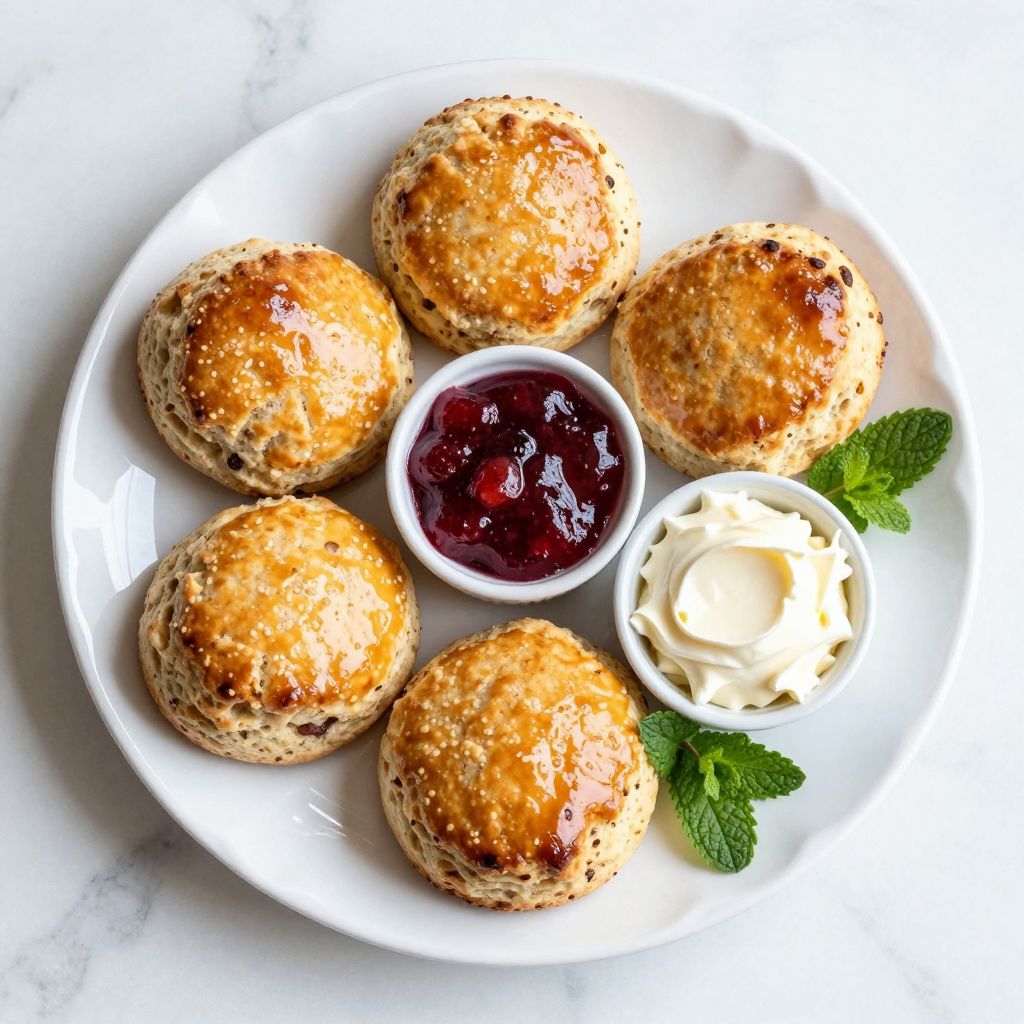
English Scones
Ingredients
Equipment
Method
- Preheat your oven to 400°F and line a baking sheet with parchment paper.
- Whisk together the flour, sugar, baking powder, and salt in a large bowl until evenly combined.
- Add the cold butter cubes to the flour mixture and use a pastry cutter or fork to work them in until the mixture resembles coarse breadcrumbs with some pea-sized pieces remaining.
- Whisk together the heavy cream, egg, and vanilla extract in a small bowl until smooth.
- Pour the wet ingredients into the flour mixture and stir gently with a fork until the dough just comes together. The dough should look shaggy and slightly dry.
- Turn the dough out onto a lightly floured surface and gently pat it into a circle about 3/4 inch thick.
- Use a 2.5-inch round cutter dipped in flour to cut out scones, pressing straight down without twisting.
- Place the scones on your prepared baking sheet, spacing them about 2 inches apart. Brush the tops with the remaining heavy cream.
- Bake for 13-15 minutes until the scones are golden brown on top and sound hollow when tapped on the bottom.
- Transfer the scones to a wire rack and let them cool for 5 minutes before serving.