
French toast recipe for 1 delivers a warm, satisfying breakfast without the fuss of feeding a crowd. This single-serving version uses simple ingredients like eggs, milk, and bread to create golden, custardy slices perfect for busy mornings or a quiet weekend treat.
You can whip this up in under 15 minutes with just one bowl and a skillet. No waste, no leftovers sitting in the fridge, just exactly what you need for one hungry person.
Why You’ll Love This Recipe
This scaled-down approach means you get all the satisfaction of classic French toast without worrying about quantities or waste. It’s flexible, fast, and genuinely tasty.
- Ready in about 10 minutes from start to finish
- Uses basic pantry staples you probably already have
- Perfectly portioned so nothing goes to waste
- Easy to customize with sweet or savory toppings
- Minimal cleanup with just one bowl and one pan
My Experience Making This Recipe
I started making single-serving French toast during college when cooking for one felt more practical than batch recipes. The smell of cinnamon and vanilla hitting the hot butter still makes my kitchen feel cozy, even on rushed mornings.
The edges get crispy while the center stays soft and custardy, which is exactly what I want. My roommate once smelled it from down the hall and asked if I was running a secret breakfast cafe.
I’ve made this dozens of times now, tweaking the ratio until the custard soaks in just right without making the bread soggy. It’s become my default when I want something comforting but don’t want to commit to a big breakfast spread.
Recipe Overview
- Recipe Name: French Toast Recipe for 1
- Servings: 1
- Prep Time: 5 minutes
- Cook Time: 6 minutes
- Total Time: 11 minutes
- Course: Breakfast
- Cuisine: American
- Calories per Serving: 385
Equipment You Will Need
- Shallow bowl or small baking dish
- Whisk or fork
- Non-stick skillet or griddle
- Spatula
- Measuring spoons
- Plate for serving
Ingredients for French Toast Recipe for 1
- 2 slices bread (thick-cut works best, about 3/4 inch thick)
- 1 large egg
- 3 tablespoons milk (whole milk preferred)
- 1/4 teaspoon vanilla extract
- 1/4 teaspoon ground cinnamon
- Pinch of salt
- 1 tablespoon butter (for cooking)
- Maple syrup (for serving)
Ingredient Notes and Substitutions
- Bread: Thick-cut bread absorbs the custard without falling apart, creating that perfect texture contrast. You can use white, whole wheat, brioche, or challah, though thinner sandwich bread works if you reduce soaking time.
- Egg: The egg creates the custard base that coats and enriches the bread. You can use a flax egg (1 tablespoon ground flaxseed mixed with 3 tablespoons water) for a vegan version, though the texture will be slightly different.
- Milk: Whole milk adds richness and helps create a creamy custard. Almond milk, oat milk, or any non-dairy alternative works fine, though the flavor will be lighter.
- Vanilla extract: Vanilla adds warmth and depth to the custard. You can skip it in a pinch or use almond extract for a different flavor profile.
- Cinnamon: Ground cinnamon brings classic warmth and pairs beautifully with maple syrup. Swap it for pumpkin pie spice or nutmeg if you want a different spice note.
- Butter: Butter creates a golden crust and adds rich flavor. Coconut oil or neutral cooking spray works as a substitute, though you’ll miss some of that buttery taste.
How to Make French Toast Recipe for 1
Step 1: Prepare the Custard Mixture
Crack the egg into a shallow bowl and add the milk, vanilla extract, cinnamon, and salt. Whisk everything together with a fork until the mixture is completely smooth and the cinnamon is evenly distributed.
A uniform custard means every bite of French toast will have consistent flavor. Any streaks of egg white will cook into unpleasant rubbery bits, so mix thoroughly.
Step 2: Heat Your Skillet
Place your non-stick skillet over medium heat and let it warm up for about 2 minutes. Add the butter and swirl it around as it melts to coat the entire cooking surface.
Proper preheating prevents the bread from sticking and helps create an even golden-brown crust. The butter should sizzle gently when it hits the pan but not smoke or turn brown.
Step 3: Soak the Bread
Place one slice of bread into the custard mixture and let it sit for about 10 seconds. Flip it over and let the other side soak for another 10 seconds, then repeat with the second slice.
You want the bread saturated but not falling apart in your hands. Thicker bread can handle a longer soak, while thinner slices need just a quick dip on each side.
Step 4: Cook the First Side
Transfer both soaked slices to the hot buttered skillet. Let them cook undisturbed for about 3 minutes until the bottom turns a rich golden brown.
Resist the urge to peek or move them around too much. A proper crust forms when the bread makes continuous contact with the hot surface, and flipping too early leaves you with pale, sad French toast.
Step 5: Flip and Finish
Use your spatula to gently flip each slice. Cook for another 2 to 3 minutes until the second side matches the golden color of the first.
The edges should look crispy and slightly caramelized while the center puffs up slightly. If the heat is right, you’ll hear a steady sizzle the entire time.
Step 6: Check for Doneness
Press gently on the center of one slice with your spatula. It should feel firm with just a little give, not squishy or wet.
The custard needs to cook through completely so you don’t end up with eggy-tasting centers. If you’re unsure, you can always peek at the edge to make sure there’s no raw custard visible.
Step 7: Plate and Add Toppings
Transfer the French toast to your plate immediately while it’s still hot. The residual heat will continue cooking it slightly, so getting it off the pan right away prevents overcooking.
Now’s the time to add your maple syrup, fresh berries, powdered sugar, or whatever toppings make you happy. I like a generous drizzle of warm syrup and a small pat of butter on top.
Step 8: Serve Immediately
French toast tastes best when it’s fresh off the skillet and still steaming. The contrast between the crispy exterior and soft interior fades as it sits.
Pour yourself some coffee or juice and enjoy it while the butter is still melting. This is one of those dishes that really rewards eating it right away.
Pro Tip: Let your bread sit out uncovered for 30 minutes before making French toast. Slightly stale bread absorbs the custard better without getting soggy, creating a superior texture that holds together beautifully during cooking.
Tips for the Best French Toast Recipe for 1
- Use day-old bread if possible since fresh bread can get too soggy and fall apart in the custard. If you only have fresh bread, toast it lightly first to dry it out a bit.
- Keep your heat at medium to avoid burning the outside while leaving the inside undercooked. French toast needs gentle, even heat to cook the custard all the way through.
- Don’t oversaturate the bread by letting it soak too long. A quick dip on each side is usually plenty, especially for softer breads like brioche or white sandwich bread.
- Add a tiny pinch of sugar to your custard if you want extra caramelization on the outside. The sugar will help create a deeper golden color and slightly crispy crust.
- Wipe out your pan and add fresh butter if you’re making a second batch. Burnt butter bits from the first round will make your next slices taste bitter.
- Warm your maple syrup in the microwave for 15 seconds before serving. Cold syrup can cool down your hot French toast and doesn’t soak in as nicely.
Common Mistakes to Avoid
- Soaking the bread for too long turns it into a soggy mess that falls apart when you try to transfer it to the pan. A quick 10-second dip per side is really all you need.
- Cooking over high heat burns the outside before the custard cooks through, leaving you with a raw eggy center. Medium heat gives you time to develop color while cooking evenly.
- Skipping the salt makes your French toast taste flat and one-dimensional. Just a small pinch balances the sweetness and brings out all the other flavors.
- Using a cold pan causes the bread to stick and prevents proper browning. Always preheat your skillet so the butter sizzles when it hits the surface.
- Flipping multiple times disrupts crust formation and can break delicate bread. Flip once and let each side cook undisturbed for the best results.
Serving Suggestions
French toast pairs beautifully with both sweet and savory accompaniments depending on your mood. The custardy base works as a blank canvas for all kinds of flavors.
- Classic maple syrup and a pat of melting butter for traditional sweetness
- Fresh berries like strawberries, blueberries, or raspberries with a dusting of powdered sugar
- Sliced bananas with a drizzle of honey and a sprinkle of chopped walnuts
- Crispy bacon or breakfast sausage on the side for a sweet and savory contrast
- Greek yogurt and a handful of granola for added protein and crunch
Variations to Try
- Stuffed French Toast: Spread cream cheese or Nutella between two slices before dipping them in the custard as one unit. The filling melts into a gooey center that’s ridiculously good.
- Banana Bread French Toast: Use a thick slice of banana bread instead of regular bread for double banana flavor. Skip the cinnamon in the custard and let the banana bread’s spices shine.
- Savory French Toast: Omit the vanilla and cinnamon, add a pinch of black pepper and garlic powder instead. Serve with a fried egg on top and hot sauce for a completely different breakfast experience.
- Almond Joy French Toast: Add 1/4 teaspoon of almond extract to the custard and top with toasted coconut flakes and chocolate chips. It tastes like dessert but you’re eating it for breakfast, which feels wonderfully rebellious.
- Pumpkin Spice French Toast: Mix 1 tablespoon of pumpkin puree into your custard with extra cinnamon and a pinch of nutmeg. Perfect for fall mornings when you want all those cozy seasonal flavors.
Dietary Adaptations
- Gluten-Free: Use your favorite gluten-free bread, though it may need a shorter soaking time since it can get mushy faster. The texture will be slightly different but still delicious.
- Dairy-Free: Swap regular milk for almond, oat, or coconut milk and use coconut oil or vegan butter for cooking. The flavor becomes a bit lighter but the method stays exactly the same.
- Vegan: Replace the egg with a flax egg (1 tablespoon ground flaxseed mixed with 3 tablespoons water, left to thicken for 5 minutes) and use non-dairy milk and vegan butter. The custard won’t be quite as rich but it still works well.
- Low-Carb/Keto: Use keto-friendly bread and replace the milk with heavy cream or unsweetened almond milk. Top with sugar-free syrup and berries to keep the carbs down.
Storage and Reheating
Refrigerator
French toast really tastes best fresh, but you can store leftovers in an airtight container in the fridge for up to 2 days. The texture won’t be quite as crispy when you reheat it.
- Let the French toast cool completely before storing to prevent condensation
- Place parchment paper between slices if stacking to prevent sticking
- Keep toppings separate and add them fresh after reheating
Freezer
Frozen French toast makes for quick weekday breakfasts when you can just pop a slice in the toaster. It keeps for up to 2 months wrapped properly.
- Cool completely and wrap each slice individually in plastic wrap or foil
- Place wrapped slices in a freezer bag with the air pressed out
- Label with the date so you remember when you made it
Reheating
The goal is to restore some of that crispy exterior without drying out the inside. A toaster or oven works better than a microwave.
- Toaster: Pop frozen or refrigerated slices directly in the toaster on medium-high heat
- Oven: Reheat at 350°F for 5 to 8 minutes on a baking sheet for crispy results
- Microwave: Heat for 30 to 60 seconds if you’re in a rush, though the texture will be softer
Nutrition Information
| Nutrient | Amount |
|---|---|
| Calories | 385 |
| Total Fat | 16g |
| Saturated Fat | 8g |
| Carbohydrates | 44g |
| Fiber | 2g |
| Sugar | 6g |
| Protein | 13g |
| Sodium | 520mg |
| Cholesterol | 200mg |
Nutritional values are estimates based on standard ingredients and do not include toppings like syrup or fruit. Your actual values may vary depending on the specific brands and bread type you use.
Frequently Asked Questions
Can I make the custard mixture the night before?
You can whisk together the egg mixture and store it covered in the fridge overnight. Give it a quick stir before using since the cinnamon may settle to the bottom.
What’s the best bread to use for French toast?
Thick-cut bread like brioche, challah, or Texas toast works best because it absorbs the custard without falling apart. Regular sandwich bread works too if you reduce the soaking time to prevent it from getting too soggy.
Why is my French toast soggy in the middle?
You either soaked the bread too long or cooked it over heat that was too high, which browned the outside before the custard cooked through. Use medium heat and soak for just 10 seconds per side.
Can I double this recipe easily?
Absolutely, just double all the ingredients and you’ll have enough custard for 4 slices. You may need to cook them in batches depending on the size of your skillet.
How do I know when the French toast is fully cooked?
The center should feel firm when you press it gently with a spatula, and both sides should be golden brown. If you see any wet custard when you peek at the edge, it needs more time.
Can I use egg whites instead of a whole egg?
You can use 2 egg whites in place of one whole egg for a lighter version. The French toast won’t be quite as rich and the color will be paler, but it still tastes good.
What if I don’t have vanilla extract?
Skip it entirely or use a tiny splash of maple syrup in the custard instead. The French toast will still turn out delicious, just with a slightly different flavor profile.
Final Thoughts
Making French toast for one means you get all the comfort of a classic breakfast without any waste or fuss. This recipe proves that cooking solo doesn’t mean compromising on quality or flavor.
Give it a try next time you want something warm and satisfying without pulling out a dozen ingredients. You might find yourself making this more often than you expected, and that’s perfectly fine with me.
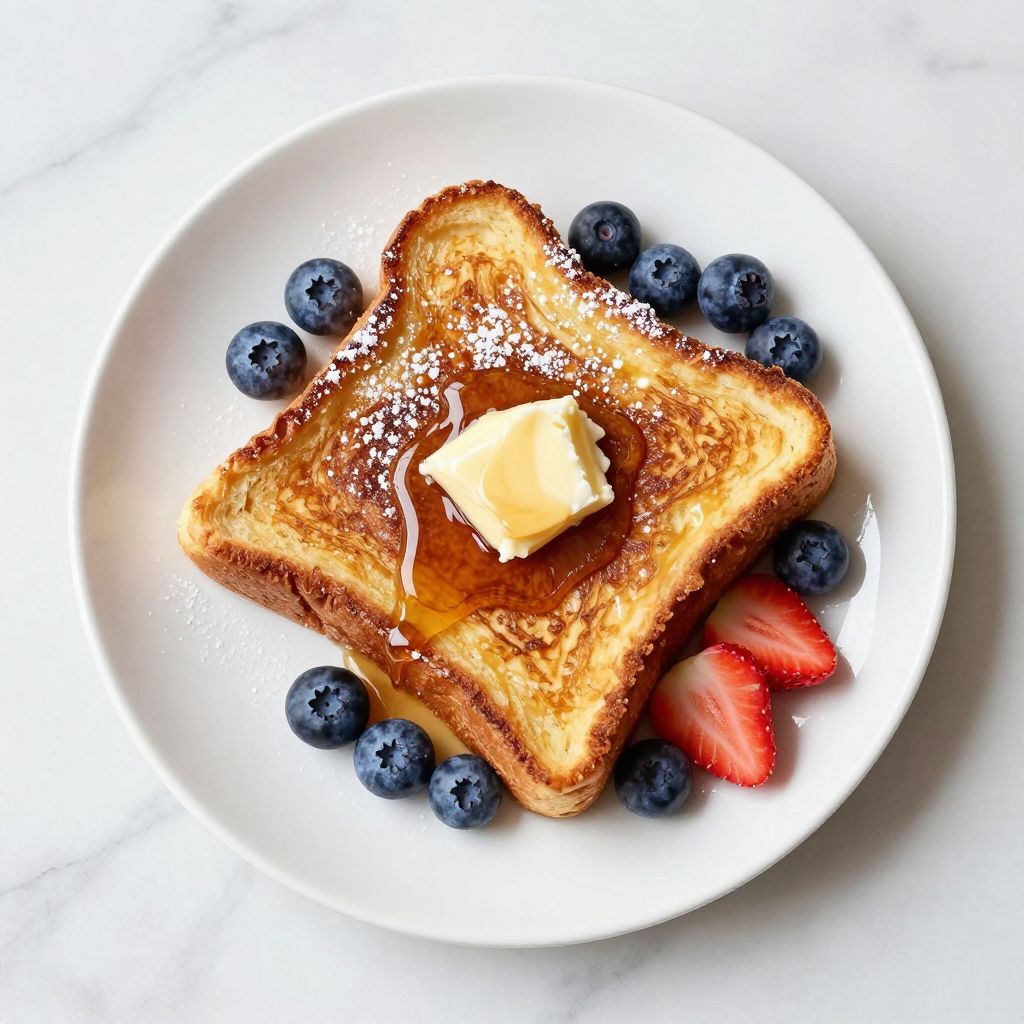
French Toast Recipe for 1
Ingredients
Equipment
Method
- Crack the egg into a shallow bowl and add the milk, vanilla extract, cinnamon, and salt. Whisk everything together with a fork until the mixture is completely smooth and the cinnamon is evenly distributed.
- Place your non-stick skillet over medium heat and let it warm up for about 2 minutes. Add the butter and swirl it around as it melts to coat the entire cooking surface.
- Place one slice of bread into the custard mixture and let it sit for about 10 seconds. Flip it over and let the other side soak for another 10 seconds, then repeat with the second slice.
- Transfer both soaked slices to the hot buttered skillet. Let them cook undisturbed for about 3 minutes until the bottom turns a rich golden brown.
- Use your spatula to gently flip each slice. Cook for another 2 to 3 minutes until the second side matches the golden color of the first.
- Press gently on the center of one slice with your spatula. It should feel firm with just a little give, not squishy or wet. The custard needs to cook through completely.
- Transfer the French toast to your plate immediately while it's still hot. Add your maple syrup, fresh berries, powdered sugar, or whatever toppings you prefer.
- Serve immediately while the French toast is still steaming hot for the best contrast between crispy exterior and soft interior.