
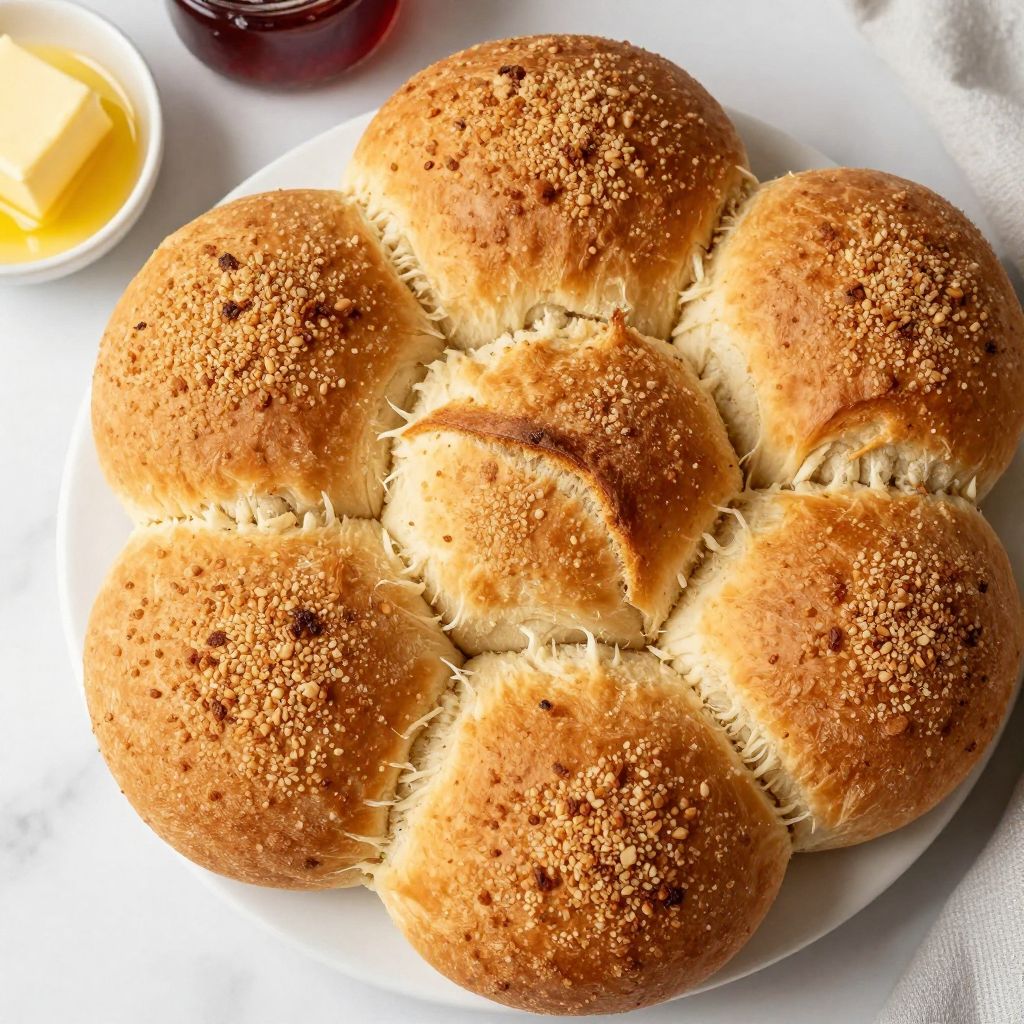
There’s nothing quite like the warm, yeasty aroma of freshly baked Pan De Sal wafting through the kitchen, bringing back memories of cozy breakfasts and family gatherings. This beloved Filipino bread rolls are soft, slightly sweet, and perfect for spreading with butter or jam, making them a delightful treat any time of day.
What makes this recipe special is its tender texture and the golden, crunchy crust that contrasts beautifully with the fluffy interior. Plus, these rolls are incredibly versatile, perfect for pairing with savory dishes or enjoyed on their own. Let’s dive into making this delightful bread!
Why You’ll Love This Recipe
You’ll find that this recipe is a crowd-pleaser for many reasons.
- Simple ingredients that are easy to find.
- Perfect for breakfast, lunch, or a snack.
- Can be made ahead and frozen for later use.
- Great for customizing with your favorite fillings.
- Offers a taste of Filipino culture right at home.
My Experience Making This Recipe
Making Pan De Sal has become a delightful ritual for me. I remember the first time I pulled these rolls from the oven; the golden crust and soft, pillowy center were just what I had imagined.
My family gathered around the table, eagerly waiting to break into the warm rolls. Seeing their smiles as they enjoyed them with butter or other spreads made the whole process worthwhile.
Recipe Overview
- Recipe Name: Pan De Sal
- Servings: 12 rolls
- Prep Time: 15 minutes
- Cook Time: 20 minutes
- Total Time: 35 minutes
- Course: Breakfast
- Cuisine: Filipino
- Calories per Serving: 150
Equipment You Will Need
- Mixing bowls
- Whisk
- Measuring cups and spoons
- Baking sheet
- Parchment paper
- Kitchen towel
Ingredients for Pan De Sal
- 4 cups all-purpose flour
- 1 cup warm water
- 1/4 cup granulated sugar
- 2 1/4 teaspoons active dry yeast
- 1 teaspoon salt
- 1/4 cup vegetable oil
- 1/2 cup breadcrumbs (for coating)
Ingredient Notes and Substitutions
- All-purpose flour: Used for its versatility and ability to create a soft texture. You can use bread flour for a chewier crust.
- Warm water: Activates the yeast. If you don’t have warm water, milk can be used as a substitute.
- Granulated sugar: Adds sweetness to the dough. Brown sugar can be used for a deeper flavor.
- Active dry yeast: Essential for rising. Instant yeast can be substituted without adjustments.
- Vegetable oil: Keeps the dough moist. Melted butter can add a richer flavor.
How to Make Pan De Sal
Step 1: Activate the Yeast
In a bowl, combine the warm water and sugar, then sprinkle the yeast on top. Let it sit for about 5-10 minutes until it becomes frothy, which shows that the yeast is active.
Step 2: Prepare the Dough
In a large mixing bowl, combine the flour and salt. Make a well in the center and pour in the activated yeast mixture along with the vegetable oil.
Step 3: Mix Until Combined
Stir the mixture with a wooden spoon until it comes together. You want a rough dough that isn’t sticky; add more flour if necessary.
Step 4: Knead the Dough
Transfer the dough to a floured surface and knead for about 8-10 minutes. Kneading develops gluten, giving the rolls their structure and chewiness.
Step 5: Let the Dough Rise
Place the dough in a greased bowl, cover it with a kitchen towel, and let it rise in a warm place for about 1 hour or until doubled in size. This step is crucial for fluffy rolls.
Step 6: Shape the Rolls
Once risen, punch down the dough to release the air. Divide the dough into 12 equal pieces and shape each into a ball.
Step 7: Coat in Breadcrumbs
Roll each ball in breadcrumbs to give them a lovely crust. This adds texture and enhances the appearance of the rolls.
Step 8: Second Rise
Arrange the rolls on a baking sheet lined with parchment paper, cover with a towel, and let them rise for another 30 minutes. This ensures they are light and fluffy before baking.
Pro Tip: Use a thermometer to check the water temperature; it should be around 110°F (43°C) to properly activate the yeast.
Tips for the Best Pan De Sal
- Measure flour properly; too much can make the dough dense.
- Don’t skip the first rise; it’s crucial for texture.
- Experiment with fillings like cheese or chocolate for a twist.
- Brush the tops with melted butter after baking for extra flavor.
- Let the rolls cool on a wire rack to avoid sogginess.
Common Mistakes to Avoid
- Using cold water; it can kill the yeast and prevent rising.
- Over-kneading the dough; it can result in tough rolls.
- Not allowing enough rising time; leads to dense rolls.
- Skipping the breadcrumbs; they give essential texture and flavor.
Serving Suggestions
These rolls are perfect for breakfast or as a snack, but they can also shine alongside various dishes.
- Serve with butter and jam for a classic breakfast.
- Pair with savory Filipino dishes like adobo or sinigang.
- Use as a base for sliders or sandwiches.
- Enjoy with a cup of coffee or hot chocolate.
Variations to Try
- Add cheese to the center for a cheesy delight.
- Incorporate herbs for a savory twist.
- Mix in cinnamon and sugar for a sweet version.
- Top with sesame seeds before baking for added flavor.
Dietary Adaptations
- Gluten-free: Use a gluten-free flour blend; the texture will vary.
- Dairy-free: Ensure your margarine or butter substitute is dairy-free.
- Vegan: Replace milk with plant-based milk and use a vegan spread.
- Low-carb/keto: Opt for almond flour or coconut flour; adjust liquids accordingly.
Storage and Reheating
Refrigerator
Store leftovers in an airtight container in the fridge for up to 3 days.
- Reheat in the oven for best results.
- Microwave for a quick warm-up but may affect texture.
Freezer
Freeze rolls in a zip-top bag for up to 3 months.
- Thaw overnight in the fridge before reheating.
- Reheat in the oven to restore freshness.
Reheating
To enjoy your Pan De Sal, reheat in a preheated oven at 350°F (175°C) for about 10 minutes.
- This helps regain the crispy crust and warm center.
- Cover with foil if they brown too quickly.
Nutrition Information
| Nutrient | Amount |
|---|---|
| Calories | 150 |
| Total Fat | 4g |
| Saturated Fat | 0.5g |
| Carbohydrates | 26g |
| Fiber | 1g |
| Sugar | 3g |
| Protein | 4g |
| Sodium | 120mg |
| Cholesterol | 0mg |
This information is an estimate and can vary based on specific ingredients used.
Frequently Asked Questions
Can I make the dough ahead of time?
Yes, you can prepare the dough and refrigerate it overnight. Just allow it to come to room temperature before baking.
What can I substitute for breadcrumbs?
Crushed crackers or panko can work as a substitute, providing a similar texture.
How do I know when the rolls are done baking?
They should be golden brown and sound hollow when tapped on the bottom.
Can I freeze Pan De Sal?
Absolutely! Freeze them once cooled and reheat as needed.
Why did my rolls turn out dense?
This could be due to not allowing enough rise time or using too much flour.
Final Thoughts
Making your own Pan De Sal is a rewarding experience that brings a taste of the Philippines to your kitchen. I encourage you to give this recipe a try and enjoy the delightful process of baking.
For more delicious bread recipes, check out my Cuban Bread Recipe or try the Brazilian Cheese Bread Recipe for a tasty twist!
Pan De Sal
Ingredients
Equipment
Method
- In a bowl, combine the warm water and sugar, then sprinkle the yeast on top. Let it sit for about 5-10 minutes until it becomes frothy.
- In a large mixing bowl, combine the flour and salt. Make a well in the center and pour in the activated yeast mixture along with the vegetable oil.
- Stir the mixture with a wooden spoon until it comes together.
- Transfer the dough to a floured surface and knead for about 8-10 minutes.
- Place the dough in a greased bowl, cover it with a kitchen towel, and let it rise in a warm place for about 1 hour or until doubled in size.
- Once risen, punch down the dough to release the air. Divide the dough into 12 equal pieces and shape each into a ball.
- Roll each ball in breadcrumbs.
- Arrange the rolls on a baking sheet lined with parchment paper, cover with a towel, and let them rise for another 30 minutes.
- Preheat oven to 375°F (190°C) and bake for 20 minutes or until golden brown.