
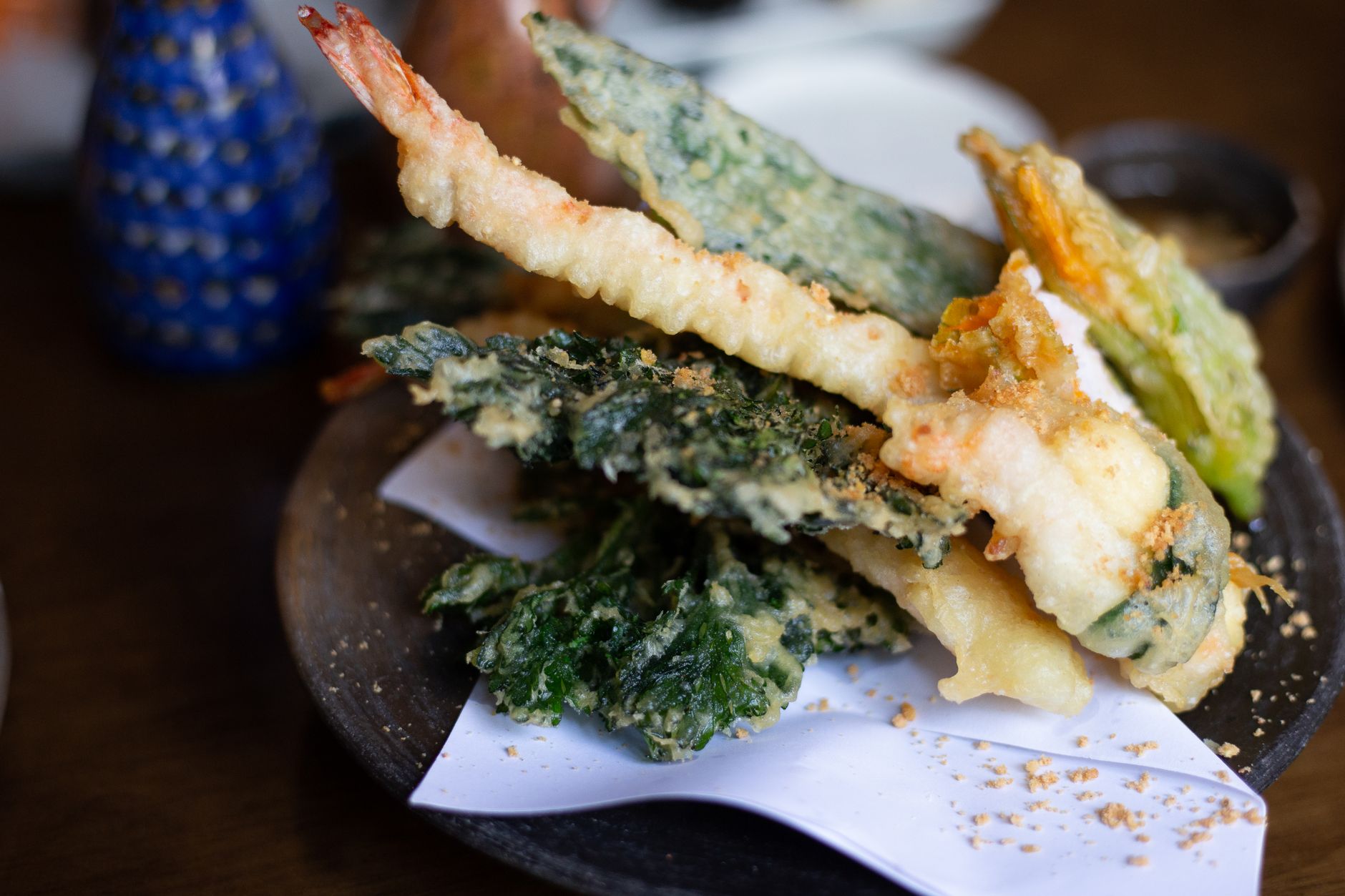
Tempura is a beloved Japanese dish known for its light and crispy battered vegetables and seafood. Traditionally, tempura batter is made using wheat flour, which raises an important question for those with gluten sensitivities or celiac disease: Is tempura batter gluten free? Understanding the common ingredients and possible substitutes can help those on a gluten-free diet enjoy this delectable dish.
This article will explore the ingredients typically used in tempura batter, examine common allergens, and provide gluten-free alternatives so everyone can enjoy this delightful dish without worry.
Is Tempura Batter Gluten Free?
No, traditional tempura batter is not gluten free, as it is primarily made with wheat flour. However, there are alternatives that can create a delicious gluten-free version while maintaining the light, crispy texture that tempura is known for.
Understanding Traditional Tempura Batter Ingredients
To fully appreciate how to alter tempura batter for gluten-free needs, it’s essential to understand the traditional ingredients typically used.
- Wheat Flour: The primary ingredient, which provides structure and texture.
- Ice Water: Cold water is used to create a unique texture that keeps the batter light.
- Eggs: Sometimes included in the batter to add richness and act as a binding agent.
- Salt: Enhances flavor.
Gluten-Free Tempura Batter: Ingredients and Alternatives
For those who need to avoid gluten, there are several flour substitutes that can be used in place of wheat flour when making tempura batter.
Gluten-Free Flour Options
Here are some popular gluten-free flours that can work well for tempura batter:
- Rice Flour: This is one of the best options for tempura batter. Its fine texture allows for a crispy finish.
- Sweet Rice Flour (Mochiko): Known for its ability to create a chewy texture, sweet rice flour can be a good addition or alternative to rice flour.
- Chickpea Flour: Also known as besan, chickpea flour creates a slightly nuttier flavor and a robust batter.
- Almond Flour: For a unique flavor, almond flour can be mixed with other gluten-free flours to create a flavorful batter.
- Gluten-Free All-Purpose Flour Blend: There are many commercial gluten-free flour blends available that can be a direct substitute for wheat flour. These blends typically combine several flour types to achieve a similar texture.
Other Ingredients for Gluten-Free Tempura Batter
In addition to flour, you may include the following ingredients to enhance your gluten-free tempura batter:
- Carbonated Water: Adding a bit of carbonation can increase the lightness of the batter.
- Starch (like cornstarch or tapioca starch): This can help achieve a crispier texture.
- Eggs: Optionally, you can still use eggs in your gluten-free batter for richness, but you may omit them for a vegan option.
How to Make Gluten-Free Tempura Batter
Once you’ve gathered your gluten-free ingredients, creating tempura batter is straightforward. Here’s a basic method for making gluten-free tempura batter.
Essential Equipment
- Mixing bowl
- Whisk or fork
- Frying pot or deep fryer
- Slotted spoon or frying basket
- Cooking thermometer
Step-by-Step Method
- In a mixing bowl, combine 1 cup of gluten-free flour (your choice) with 1/4 cup of starch (like cornstarch).
- Add a pinch of salt to the dry ingredients and mix well.
- Gradually add 1 cup of ice-cold sparkling water to the dry mixture, whisking gently until just combined. Avoid over-mixing; some lumps are okay.
- If using, lightly beat one egg and fold it into the batter. Ensure the egg is well combined but do not overwork the batter.
- Heat oil in a deep frying pot to around 350°F (175°C). Ensure the oil is hot enough for frying.
- Dip your chosen vegetables or seafood into the batter, allowing excess to drip off.
- Carefully lower the battered items into the hot oil, cooking in batches to avoid overcrowding.
- Fry until golden brown, approximately 2-3 minutes, then remove with a slotted spoon and place on a paper towel-lined plate to absorb excess oil.
Common Mistakes to Avoid
To achieve the best results when making gluten-free tempura batter, keep the following tips in mind:
- Do Not Overmix the Batter: Overmixing can result in a dense, chewy texture rather than a light and crispy one.
- Temperature Management: Ensure that the oil is at the proper frying temperature for crispy results. Use a thermometer for accuracy.
- Work in Small Batches: Frying too many items at once can lower the oil temperature resulting in soggy tempura.
Serving Suggestions for Gluten-Free Tempura
Tempura is traditionally served with a dipping sauce, often made of soy sauce, vinegar, and mirin. When preparing gluten-free tempura, consider using gluten-free soy sauce or tamari as a substitute. Here are some suggestions for serving:
- Dip in Gluten-Free Soy Sauce: Serve your tempura with a gluten-free dipping sauce made from gluten-free soy sauce, sesame oil, and green onions.
- Pair with Tsuyu Sauce: A blend of dashi, soy sauce, and mirin works beautifully as a dipping accompaniment.
- Including a Variety of Ingredients: Vegetables such as sweet potatoes, zucchini, and bell peppers can be used, alongside seafood like shrimp and fish.
Making Tempura a Complete Meal
Tempura can be part of a broader meal, especially in Japanese cuisine. Consider pairing with rice, miso soup, and pickled vegetables for a balanced and nutritious feast.
Food Allergens and Cross-Contamination
When preparing gluten-free tempura or any gluten-free dish, it is critical to consider allergens. Cross-contamination can occur in kitchens that handle gluten-containing products, so careful preparation and cleaning are essential.
Here are some tips to minimize risks:
- Separate Cooking Utensils: Use dedicated frying equipment to prevent gluten contamination.
- Clean Surfaces: Thoroughly clean all surfaces and utensils before starting to prepare gluten-free ingredients.
- Read Labels: Always check packaging for gluten ingredients, as many sauces and pre-packaged items may contain wheat.
Storing and Reheating Tempura
Tempura is best enjoyed fresh, but you can store leftovers carefully for later use. Follow these guidelines for storing and reheating your gluten-free tempura:
- Storing: Keep cooked tempura in an airtight container in the refrigerator for up to 2 days.
- Reheating: To reheat, place the tempura in a preheated oven at 350°F (175°C) for about 10 minutes or until heated through. Avoid microwaving, as this can make the batter soggy.
Conclusion
Tempura, a delicious and versatile dish, can easily be adapted to a gluten-free version without sacrificing flavor or texture. By utilizing gluten-free flours and being mindful of preparation methods, you can indulge in this crispy delight at home. It’s important to be aware of allergens and cross-contamination risks, especially when cooking for those with severe gluten sensitivities.
As you experiment with gluten-free tempura paving your way into exciting culinary creations, consider exploring other recipes as well. For example, try making a homemade tempura sauce for dipping. If you’re interested in other gluten-free comfort foods, don’t miss out on trying our gluten-free gnocchi recipe for a delightful meal option.