
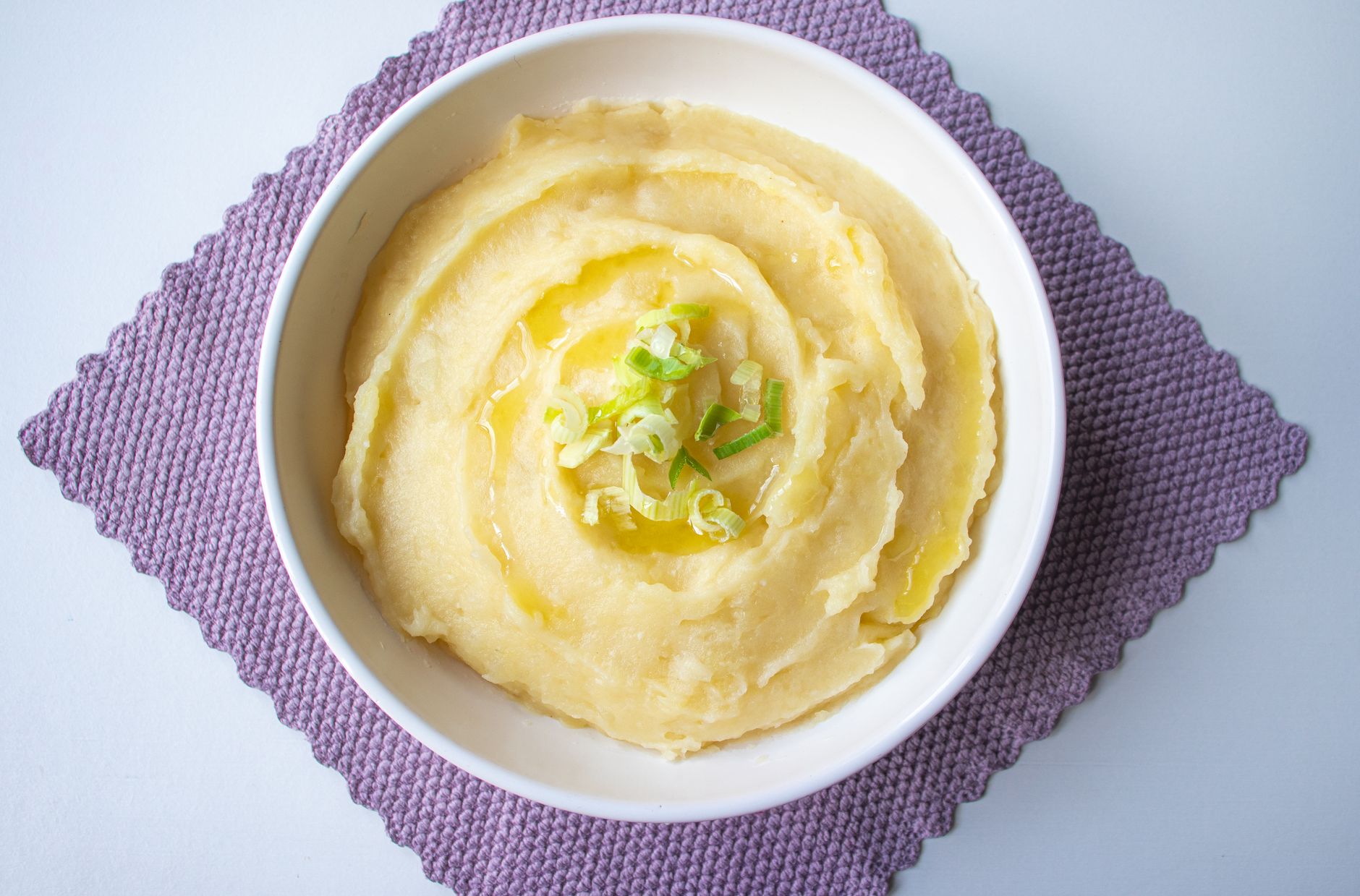
Mashed potatoes are a beloved comfort food that often graces dinner tables, especially during holidays and special events. But when it comes to serving a larger group, like twelve people, a common question arises: how many potatoes do you need? Understanding this will help ensure everyone gets their fill of this creamy, flavorful side dish without waste.
In this article, we will explore the ideal quantity of potatoes needed for mashed potatoes for twelve people. We’ll discuss factors such as potato size, type, and a few cooking techniques to achieve the perfect texture and flavor. Follow along for a complete breakdown that makes planning for your meal seamless.
How Many Potatoes for Mashed Potatoes for 12?
For serving twelve people, you will need approximately 3 to 4 pounds of potatoes, depending on the type and size of the potatoes used. On average, this translates to about 12 medium-sized potatoes (approximately 8 to 10 ounces each). The amount can vary based on appetite and whether mashed potatoes are the main side dish or part of a larger meal.
Understanding Potato Types
Before delving further into quantities, it’s essential to understand the different types of potatoes commonly used for mashed potatoes. Each type offers unique flavors and textures that can impact your final dish.
Common Potato Varieties
- Russet Potatoes: These are starchy potatoes with a fluffy texture. They make creamy mashed potatoes but can absorb too much liquid if not handled carefully.
- Yukon Gold Potatoes: These potatoes have a buttery flavor and a creamier texture, making them an excellent choice for rich mashed potatoes.
- Red Potatoes: With their waxy texture, red potatoes retain more moisture. They yield a more rustic mash that can include chunks for added texture.
- Fingerling Potatoes: These small potatoes can add a unique flavor profile. They make for a more luxurious mash but may require more prep time due to their size.
Calculating Quantities
When preparing mashed potatoes for a group of twelve, it’s essential to consider various factors, including portion size and the overall meal plan. Here’s how to break it down:
Standard Serving Size
A standard serving of mashed potatoes is typically about ½ cup (or 4 ounces) per person. For twelve people, this would equal 6 cups or around 48 ounces. If you anticipate larger appetites, it’s best to scale up slightly.
Weight Conversion
Generally, when cooked, potatoes lose about 20% of their weight, so starting with raw potatoes is crucial. If you’re aiming for 48 ounces of mashed potatoes, you should start with around 60 ounces (or about 3.75 pounds). However, to keep things simple and account for variations in potato size, rounding up to 4 pounds is advisable. This translates into roughly 12 medium potatoes.
Preparation Methods and Cooking Techniques
Once you have determined the number of potatoes, the next step is preparation. Here are some common methods and tips for preparing and cooking your potatoes for mashing:
1. Washing and Peeling
- Start by thoroughly washing the potatoes under cold running water. This removes dirt and any pesticides present.
- Peel the potatoes if desired. Leaving the skins on can add texture and nutrition, particularly with Yukon Gold or red potatoes.
2. Cutting for Even Cooking
- Cut the potatoes into uniform sizes, about 1.5 to 2 inches chunks. This helps them cook evenly and more quickly.
3. Cooking Techniques
There are several methods to cook potatoes, each yielding unique flavors and textures:
- Boiling: This is the most common method. Place the cut potatoes in a large pot and cover them with cold water. Add a generous pinch of salt, bring to a boil, and cook for 15-20 minutes or until fork-tender.
- Steaming: Steaming potatoes helps retain nutrients and results in a drier texture, which can yield fluffier mashed potatoes. Steam for about 20 minutes.
- Baking: Baking potatoes before mashing can lend a different depth of flavor. Wrap them individually in foil and bake at 400°F for about one hour. Once cool, peel and mash.
Perfecting the Mash
Once cooked, the method of mashing can significantly affect texture and taste. Here’s how to create creamy mashed potatoes:
The Mashed Potato Process
- Drain the potatoes and allow them to sit for a minute to release excess moisture.
- For creamier mashed potatoes, consider using a potato ricer or food mill instead of a traditional masher.
- Incorporate warm ingredients like butter and milk gradually, mixing until just combined. Start with ½ cup of milk and ½ cup of butter for 4 pounds of potatoes, adjusting for desired creaminess.
- Season generously with salt and pepper. Adding herbs like chives, rosemary, or garlic can enhance flavor.
Common Mistakes to Avoid
Even with the right potatoes and techniques, certain missteps can impact your mashed potatoes. Here are common mistakes and how to avoid them:
- Overcooking: Potatoes that are overcooked become waterlogged and lead to gluey mashed potatoes. Watch carefully and test for doneness with a fork.
- Under-seasoning: Potatoes can absorb a lot of flavor, so seasoning throughout the process rather than just at the end is vital.
- Using Cold Ingredients: Cold butter or milk can cool down potatoes. For best results, warm them slightly before mixing in.
Serving Suggestions
Mashed potatoes can stand alone or be paired with a variety of dishes. Consider the following serving ideas:
- Serve as a side with roasted meats like turkey, chicken, or beef.
- Top with gravy, caramelized onions, or sautéed mushrooms for added flavor.
- Mix in add-ins such as cheese, bacon, or herbs to elevate the dish.
Make-Ahead Options
Planning to make mashed potatoes in advance can simplify your meal prep, especially for holidays. Here are some make-ahead tips:
How to Prep Mashed Potatoes Ahead of Time
- Prepare potatoes a day ahead and place them in a pot of cold water in the fridge to prevent browning.
- Alternatively, mash the potatoes and allow them to cool. Store them in an airtight container in the refrigerator for up to two days before reheating.
- When ready to serve, reheat gently on the stove or in the oven. Add a bit of milk to restore creaminess if needed.
Freezing Mashed Potatoes
If freezing, ensure they cool completely before portioning into freezer-safe bags or containers. Mashed potatoes can last around two months in the freezer. Thaw overnight in the refrigerator and reheat gently.
Storing and Reheating
Proper storage is crucial to keeping your mashed potatoes fresh and safe to eat.
Refrigerating
- Mashed potatoes can be stored in the refrigerator for up to 3-5 days. Ensure they are placed in an airtight container.
Reheating Tips
To reheat:
- Mash the potatoes in a pot over low heat, adding milk or cream as necessary to achieve the desired consistency.
- For microwaving, place in a microwave-safe dish and cover, heating in intervals of 1-2 minutes, stirring in between.
Final Thoughts
Understanding how many potatoes to buy for mashed potatoes for twelve people can be a straightforward task when you consider the factors we’ve discussed. From selecting the right type of potato to proper cooking and storage techniques, these tips will ensure you serve the best mashed potatoes without the stress of over or underpreparation.
By calculating roughly 4 pounds of potatoes upfront and following the preparation guidelines outlined in this article, you can successfully manage your meal planning and create a delightful side dish that pairs effortlessly with your main entrées.
For more delicious mashed potato variations, check out our loaded mashed potatoes recipe and explore tips on making mashed potatoes ahead of time. Enjoy your cooking adventure!