
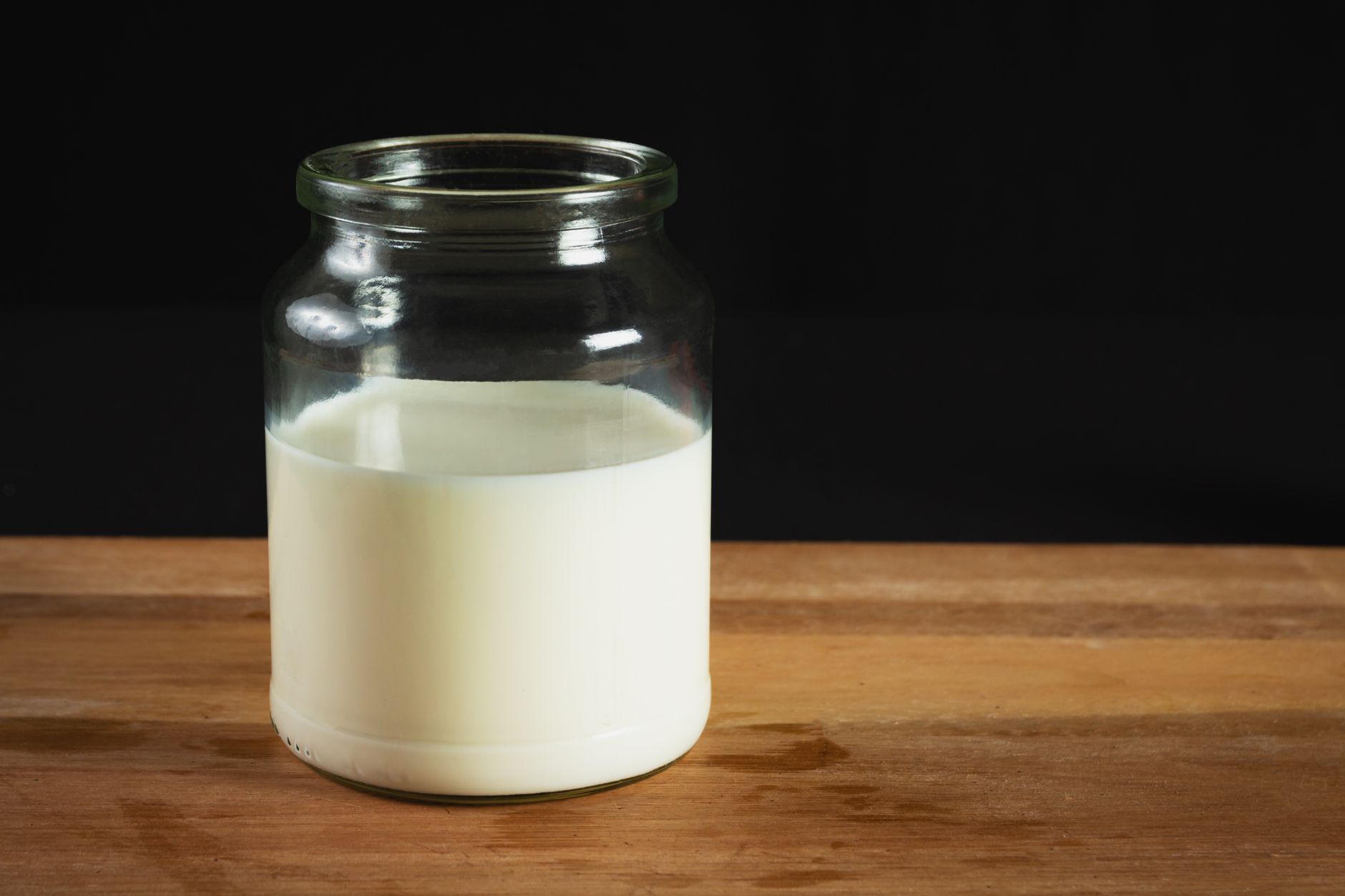
Homemade buttermilk is a staple in many kitchens, especially for baking. Its tangy flavor and thick texture can elevate pancakes, cakes, and biscuits, making them wonderfully moist and flavorful. However, understanding how to store buttermilk correctly and how long it will last is crucial to ensure its freshness and safety.
This guide provides all the essential information on homemade buttermilk, from its storage life to tips on how to identify if it has gone bad. Whether you are a baking novice or an experienced cook, knowing how to properly handle buttermilk is an invaluable skill.
How Long Does Homemade Buttermilk Last?
Homemade buttermilk typically lasts about 2 to 3 weeks when stored properly in the refrigerator. However, its freshness may depend on several factors, including the ingredients used and how well it is stored. Always check for signs of spoilage before each use.
What is Homemade Buttermilk?
Homemade buttermilk is a dairy product traditionally made from the liquid left over after churning butter from cream. Today, it is usually made by adding an acid, such as vinegar or lemon juice, to milk, allowing it to curdle slightly. This process results in a thick, tangy liquid that is perfect for both baking and cooking.
How to Make Homemade Buttermilk
Making your own buttermilk at home is simple and requires only a few ingredients. Here’s how to do it:
- Ingredients:
- 1 cup of milk (whole milk, low-fat milk, or non-dairy alternatives)
- 1 tablespoon of vinegar or lemon juice
Steps to Make Homemade Buttermilk
- Pour 1 cup of milk into a measuring cup or bowl.
- Add 1 tablespoon of vinegar or fresh lemon juice to the milk.
- Stir gently to combine and let it sit at room temperature for about 5 to 10 minutes until slightly thickened.
Once the mixture has thickened slightly and shows signs of curdling, it is ready to use in your recipes!
Storage Guidelines for Homemade Buttermilk
Storing homemade buttermilk properly is essential to maintain its quality and safety. Here are key storage tips:
- Refrigeration: Always store homemade buttermilk in the refrigerator. Transfer it to a clean, airtight container or a mason jar with a tight-fitting lid.
- Temperature: Ensure your refrigerator maintains a temperature of 40°F (4°C) or below. This helps prevent the growth of harmful bacteria.
- Separation: It’s normal for buttermilk to separate after a few days. Just give it a gentle shake or stir before using it to recombine the liquid.
Signs of Spoilage in Homemade Buttermilk
Even with proper storage, homemade buttermilk can go bad. Here are some common signs of spoilage to watch for:
- Smell: Fresh buttermilk has a tangy aroma. If it smells sour or off, it is best to discard it.
- Appearance: If you notice any discoloration, mold, or a curdled texture beyond the normal thickened consistency, it’s time to throw it away.
- Taste: If you are uncertain about its freshness, a small taste can help identify spoilage. If it tastes unusually sour or off, do not use it.
Freezing Homemade Buttermilk
If you want to extend the life of your homemade buttermilk, freezing it is a great option. Follow these steps to freeze buttermilk effectively:
How to Freeze Buttermilk
- Pour the buttermilk into an ice cube tray or a freezer-safe container, leaving some space for expansion.
- Cover tightly with a lid or plastic wrap, ensuring no air can enter.
- Label the container with the date and place it in the freezer.
When you’re ready to use the frozen buttermilk, simply thaw it in the refrigerator overnight or at room temperature. Give it a good stir before using.
Using Homemade Buttermilk in Recipes
Homemade buttermilk is incredibly versatile and can be used in a variety of recipes. Here are some popular uses:
- Pancakes and Waffles: Adds a rich flavor and fluffy texture.
- Cakes: Enhances moisture and tenderness in cakes and muffins.
- Bread: Ideal for quick breads like biscuits and cornbread.
- Marinades: Works well as a base for marinades, especially for chicken, to add flavor and tenderize meat.
Common Mistakes When Handling Buttermilk
To ensure the best quality and safety of your homemade buttermilk, avoid these common mistakes:
- Using Expired Ingredients: Always use fresh milk and acidic agents to produce high-quality buttermilk.
- Improper Storage: Failing to store buttermilk in airtight containers can lead to spoilage and absorption of odors from other foods.
- Ignoring Signs of Spoilage: Always trust your senses. If in doubt about its freshness, err on the side of caution and discard.
Buttermilk Substitutes
If you find yourself without homemade buttermilk on hand, there are several substitutes you can use in its place:
1. Milk and Vinegar or Lemon Juice
This is the most straightforward substitute. Combine 1 cup of milk with 1 tablespoon of vinegar or lemon juice, let it sit for 5-10 minutes, and use it just like buttermilk.
2. Yogurt
Plain yogurt can be used as a one-to-one substitute for buttermilk in recipes. It will provide the same tangy flavor and thick consistency.
3. Sour Cream
Sour cream can also work in place of buttermilk. Thin it with a little milk to achieve a similar consistency.
4. Non-Dairy Alternatives
If you prefer non-dairy options, try almond milk or soy milk mixed with vinegar or lemon juice as a buttermilk substitute.
Conclusion
Properly stored, homemade buttermilk can last for 2 to 3 weeks in the refrigerator. Knowing how to distinguish between fresh and spoiled buttermilk ensures that your baked goods remain delicious and safe to eat. Whether you need buttermilk for pancakes, cakes, or creamy dressings, homemade versions are easy to make and store. So get ready to whip up some delightful treats with your homemade buttermilk!
For more deliciousness in your baking, check out our buttermilk pound cake recipe or explore how long cooked ground beef is good in the fridge for your meal planning needs.