
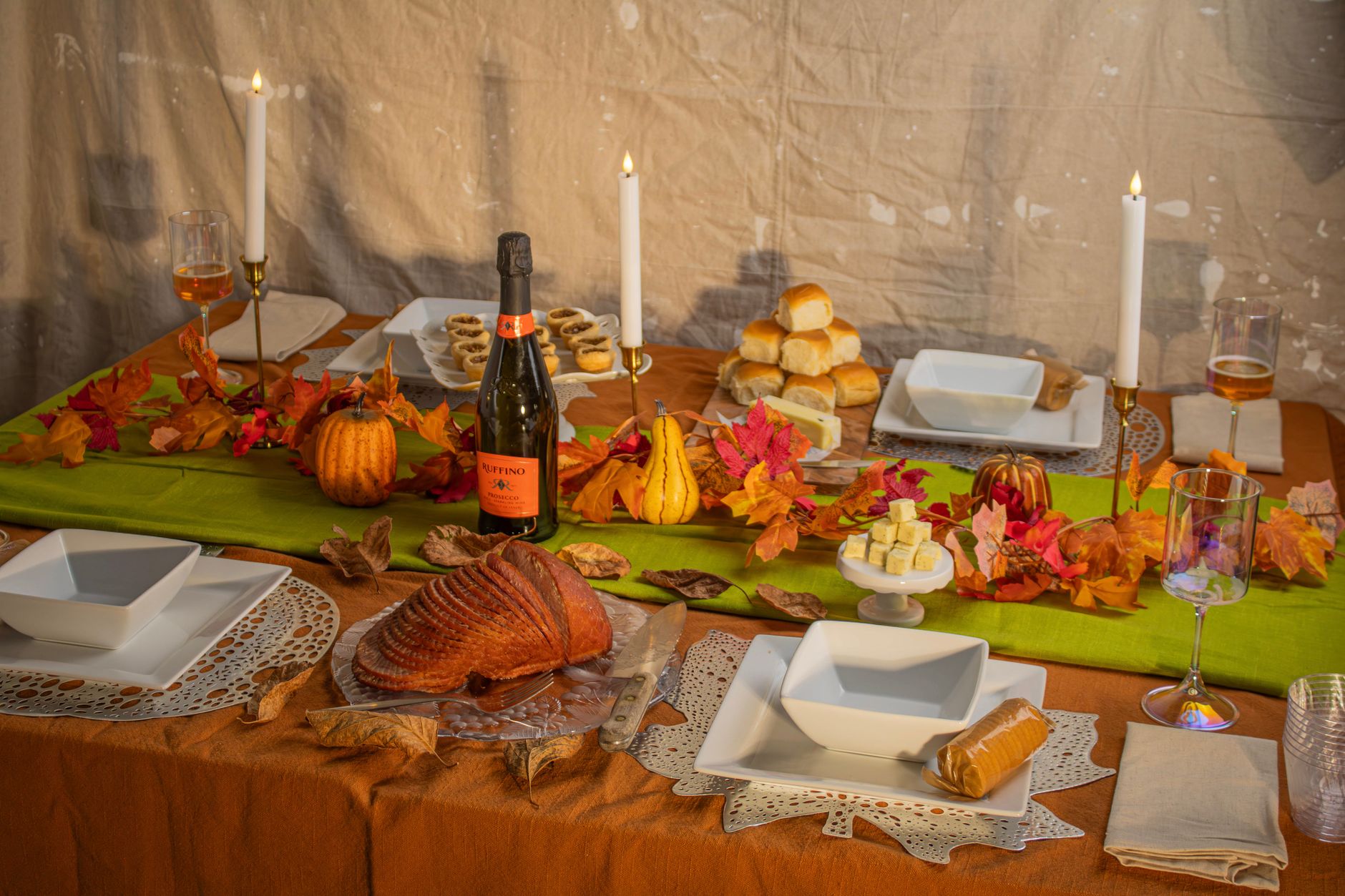
When it comes to special occasions or holiday feasts, a well-cooked 10-pound ham can truly steal the show. The challenge, however, often lies in determining how long to cook it to ensure it’s both safe and delicious. Understanding the cooking time, temperature, and doneness can elevate your culinary skills and help you serve a masterpiece.
This comprehensive guide will cover everything you need to know about cooking a 10-pound ham. From the time required to cook, tips on doneness, methods of preparation, and serving suggestions, you’ll find all the insights necessary to impress your guests.
How Long to Cook a 10 Pound Ham?
The cooking time for a 10-pound ham typically ranges from 3 to 4.5 hours if you’re baking it in the oven at 325°F (163°C). The exact time will depend on whether the ham is pre-cooked or raw, and whether it is bone-in or boneless. Always use a meat thermometer to ensure that the internal temperature reaches a safe level of 145°F (63°C).
Understanding Different Types of Ham
Hams can vary in preparation, affecting the cooking time. Understanding these differences is key to planning your cooking method effectively.
1. Fresh Ham
A fresh ham is an uncooked leg of pork. It requires longer cooking times than the other types and should be cooked until it reaches an internal temperature of 145°F (63°C).
2. Fully Cooked Ham
Fully cooked ham has already been prepared and only needs to be reheated. It is usually labeled as “ready to eat.” Because of this, it needs less time in the oven.
3. Spiral-Cut Ham
Spiral-cut ham is pre-sliced and often comes fully cooked. It requires less time, typically 10 to 12 minutes per pound at 325°F (163°C), making it an excellent choice for easy serving.
Cooking Methods for a 10 Pound Ham
You have several methods to choose from when it comes to cooking a 10-pound ham. Let’s explore the three most popular options—baking, slow-cooking, and glazing.
1. Baking a 10 Pound Ham
Baking is the most traditional method. Here’s a step-by-step guide:
-
Preheat the Oven: Preheat your oven to 325°F (163°C).
-
Prepare the Ham: If you have a bone-in ham, place it fat-side up on a rack in a shallow roasting pan. For a boneless ham, place it directly in the pan.
-
Add Liquid: Pour 1 to 2 cups of water, broth, or juice into the bottom of the pan to help keep the ham moist.
-
Cover the Ham: Cover the ham loosely with aluminum foil to retain moisture.
-
Calculate Cooking Time: Cook for 15-18 minutes per pound, which translates to approximately 3 to 4.5 hours for a 10-pound ham.
-
Check Temperature: Use a meat thermometer to ensure the internal temperature reaches 145°F (63°C).
-
Let It Rest: After cooking, allow the ham to rest for about 15 minutes before slicing to allow juices to redistribute.
2. Cooking a 10 Pound Ham in a Slow Cooker
Using a slow cooker can simplify the cooking process, especially if you’re busy. Here’s how:
-
Prepare the Slow Cooker: Place the 10-pound ham in the slow cooker. If your ham is too large, consider cutting it down to fit.
-
Add Liquid and Seasoning: Pour 1-2 cups of broth, soda, or juice around the ham, and add any desired seasonings or glaze.
-
Set the Temperature: Cook on low for 6 to 8 hours or on high for about 3 to 4 hours until the internal temperature reaches 145°F (63°C).
-
Check for Doneness: Always confirm the temperature with a meat thermometer.
-
Resting: Let it rest for at least 15 minutes before carving.
3. Glazing a Ham
Glazing adds flavor and a beautiful finish. Here’s a quick guide on how to create a glazed ham:
-
Prepare the Glaze: Common ingredients include brown sugar, honey, mustard, pineapple juice, or maple syrup. Mix them in a bowl.
-
Add the Glaze: Apply the glaze during the last 30 to 60 minutes of cooking to prevent burning.
-
Increase Temperature for Caramelization: Increase the oven temperature to 375°F (190°C) in the last 30 minutes to help caramelize the glaze.
Tips for Perfect Doneness
Achieving the perfect doneness is crucial for a tasty ham. Here are some helpful tips:
-
Use a Meat Thermometer: To ensure the ham reaches 145°F (63°C) throughout, place the thermometer in the thickest part of the meat, avoiding the bone.
-
Look for Juices: The juices should run clear, not pink, when you cut into the ham.
-
Resting Time: Allowing the ham to rest after cooking lets the juices redistribute, enhancing flavor.
Common Mistakes to Avoid
To ensure seamless preparation, avoid these common mistakes:
-
Skipping the Thermometer: Don’t rely on visual cues alone. Always use a meat thermometer for accurate doneness.
-
Overcooking: Be mindful of cooking times, as overcooked ham can become dry and tough.
-
Not Allowing Rest Time: Cutting into the ham too soon can result in losing valuable moisture.
Serving Suggestions for a 10 Pound Ham
Once your ham is cooked to perfection, it’s time to serve. Here are some mouth-watering accompaniment ideas:
-
Side Dishes: Consider serving with roasted vegetables, mashed potatoes, or a fresh green salad.
-
Condiments: Mustard, cranberry sauce, or apple chutney can serve as excellent condiments for added flavor.
-
Sandwiches: Leftover ham can be repurposed into sandwiches for a delicious lunch the next day.
Storage and Reheating Tips
Understanding how to store ham properly can extend its shelf life and maintain quality:
-
Storage: Wrap the ham tightly in plastic wrap or aluminum foil, or store it in an airtight container. It can be refrigerated for up to 5 days.
-
Freezing: For longer storage, consider freezing the ham. When wrapped correctly, it can last up to 6 months in the freezer.
-
Reheating: To reheat, slice the ham and place it in a baking dish with a little bit of liquid. Cover with foil and heat at 325°F (163°C) until warmed through.
Frequently Asked Questions
1. Can I cook a 10-pound ham at a higher temperature?
While it’s possible to cook at a higher temperature, it can lead to uneven cooking and dry meat. Stick to 325°F (163°C) for best results.
2. Should I cook a ham covered or uncovered?
Covering the ham with foil initially helps maintain moisture. It can be uncovered during the last 30 minutes to enhance browning.
3. Is it necessary to glaze a ham?
Glazing is not mandatory but offers a flavorful finish. A glaze can enhance both the taste and appearance of the ham.
Conclusion
Cooking a 10-pound ham can be a rewarding culinary experience when you understand the time, methods, and tips needed for success. Remember to stay mindful of cooking times and doneness for the best results. Once you serve that beautifully cooked ham, it will certainly become a highlight of your meal.
For more culinary inspiration, check out our spiral ham recipe or learn about how to use your slow cooker with our crockpot ham recipe. Happy cooking!