
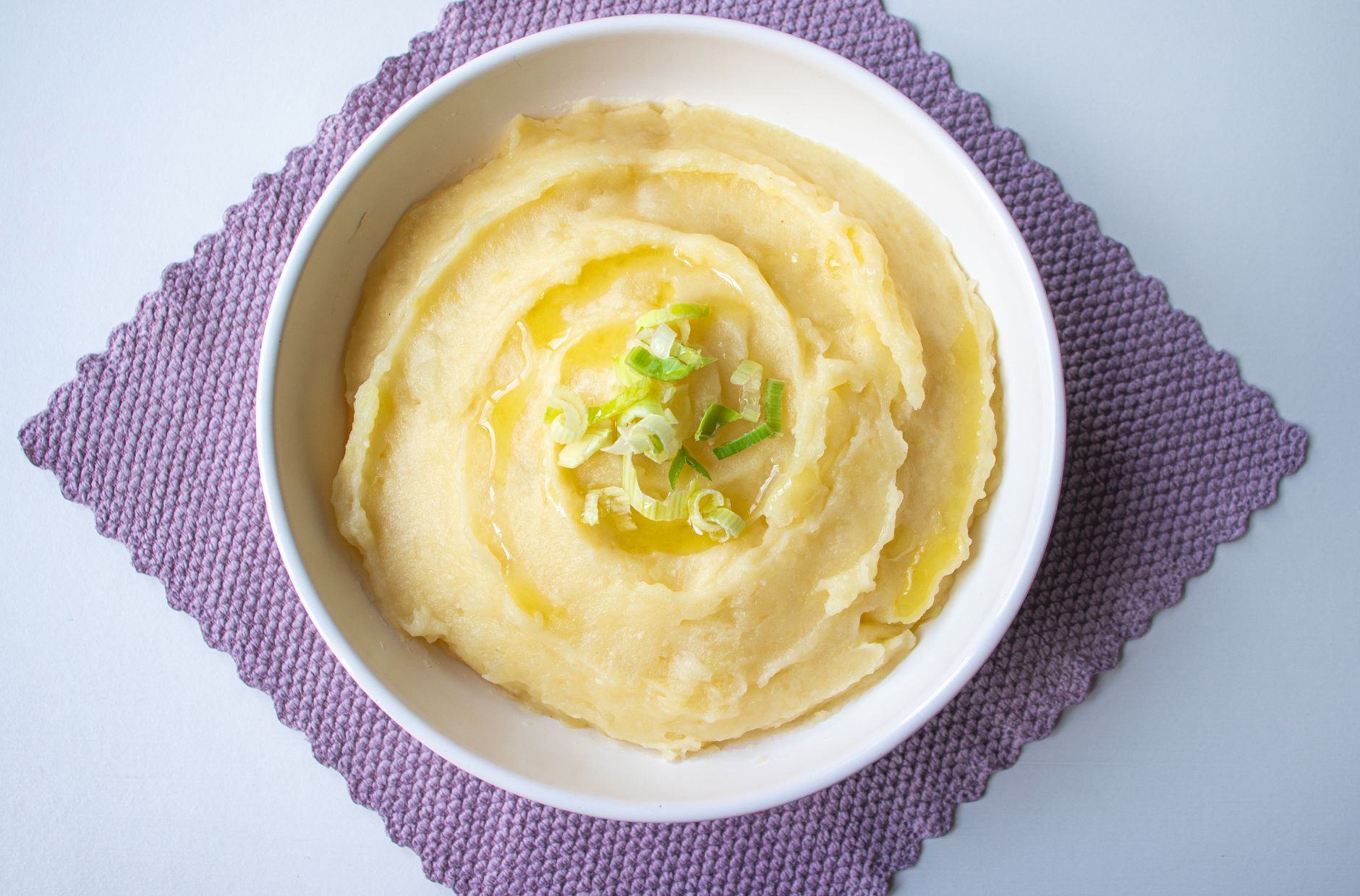
Mashed potatoes are a beloved comfort food, enjoyed in households around the world. Their creamy, buttery texture and rich flavor make them a perfect side dish for a variety of meals, particularly during festive gatherings or family dinners. However, busy schedules often lead to the question: Can you make mashed potatoes ahead of time?
The answer is a resounding yes! Preparing mashed potatoes in advance is not only possible but can also save you time and stress when you’re hosting a meal. With proper techniques, you can enjoy the same fresh, delicious taste and texture. This article will guide you through the best practices for making mashed potatoes ahead of time, along with tips for storage, reheating, and a few variations to elevate your dish.
Can You Make Mashed Potatoes Ahead Of Time?
Yes, you can definitely make mashed potatoes ahead of time. When prepared and stored properly, they can maintain their flavor and texture when reheated. Whether you’re planning a special occasion or a simple weeknight dinner, making mashed potatoes in advance helps ease the cooking process on the day of your meal.
Benefits of Making Mashed Potatoes Ahead
Prepping mashed potatoes ahead of time comes with several advantages:
- Time-Saving: Preparing mashed potatoes in advance frees you up to focus on other dishes when it’s time to serve your meal.
- Stress Reduction: Having one less dish to worry about on a busy day can alleviate kitchen pressure and let you enjoy time with guests or family.
- Flavor Development: Allowing the potatoes to sit can enhance their flavor, as they have time to absorb any added ingredients like butter or cream.
- Versatility: You can personalize your mashed potatoes with various mix-ins or toppings, making them a flexible dish suitable for many occasions.
How to Prepare Mashed Potatoes Ahead of Time
Choosing the Right Potatoes
The first step in making delicious mashed potatoes is selecting the right type of potatoes. Some popular choices include:
- Russet Potatoes: These are fluffy and light, creating a creamy texture when mashed.
- Yukon Gold Potatoes: Known for their buttery flavor and natural creaminess, these potatoes yield a rich taste.
- Red Potatoes: They have a waxy texture that holds up well in mashing, though they may be less fluffy than Russets.
Ingredients You’ll Need
For basic mashed potatoes, you will need the following ingredients:
- 2 pounds of potatoes (Russet, Yukon Gold, or a mix)
- 1/2 cup of unsalted butter (1 stick), at room temperature
- 1/2 cup of milk or heavy cream (adjust based on desired creaminess)
- Salt, to taste
- Pepper, to taste
Step-by-Step Instructions for Making Ahead
- Prepare the Potatoes: Peel the potatoes if desired and cut them into even chunks to ensure uniform cooking.
- Boil the Potatoes: Place the potatoes in a large pot, cover them with cold water, and add salt. Bring to a boil over medium-high heat and cook until fork-tender, about 15-20 minutes.
- Drain and Steam: Drain the potatoes and return them to the pot for a couple of minutes. This allows excess moisture to escape, preventing watery mashed potatoes.
- Mash the Potatoes: Use a potato masher, ricer, or electric mixer to mash the potatoes until fluffy and smooth.
- Add Butter and Milk: Incorporate the room-temperature butter and gradually mix in the milk or cream, adjusting for desired creaminess. Season with salt and pepper to taste.
- Transfer to Serving Dish: Place the mashed potatoes in a serving dish or storage container, flattening the surface slightly to help prevent browning.
Storage Techniques
To store your mashed potatoes for later use, follow these guidelines:
- Cooling: Allow the mashed potatoes to cool to room temperature before refrigerating. Rapid cooling can help prevent bacteria growth.
- Refrigeration: Store the mashed potatoes in an airtight container. They can typically be kept in the refrigerator for 3-4 days.
- Freezing: For longer storage, mashed potatoes can be frozen. Spoon them into a freezer-safe container or freezer bag, smoothing the surface for easier thawing. They can be frozen for up to 2 months.
Reheating Mashed Potatoes
When it’s time to serve your prepped mashed potatoes, reheating them correctly is essential to maintaining flavor and texture. Here are methods to reheat your mashed potatoes:
Microwave Method
- Transfer the desired amount of mashed potatoes to a microwave-safe bowl.
- Add a splash of milk or cream to help restore moisture.
- Cover the bowl loosely with a microwave-safe lid or plate.
- Heat the potatoes on medium power for intervals of 1 minute, stirring in between, until heated through.
Stovetop Method
- Add the mashed potatoes to a saucepan over low heat.
- Stir in milk or cream as needed to maintain consistency.
- Heat gently, stirring frequently until warmed through.
Oven Method
- Preheat the oven to 350°F (175°C).
- Place the mashed potatoes in a baking dish.
- Cover with foil to retain moisture.
- Bake for about 30 minutes or until heated through. Stir halfway through for even heating.
Making Variations Ahead of Time
Want to elevate your mashed potatoes? Here are some variations you can prepare ahead of time:
- Garlic Mashed Potatoes: Add roasted garlic during the mashing process for a rich, savory flavor.
- Cheesy Mashed Potatoes: Stir in shredded cheese, such as cheddar or Parmesan, for a gooey consistency. Prepare the cheese to melt in with the potatoes when reheating.
- Herbed Mashed Potatoes: Mix in fresh or dried herbs like chives, rosemary, or thyme to enhance the flavor profile.
- Loaded Mashed Potatoes: Top the mashed potatoes with ingredients like crispy bacon, green onions, and sour cream for a hearty touch.
Common Mistakes to Avoid
When making mashed potatoes ahead of time, keep these common pitfalls in mind:
- Over-Whipping: Using an electric mixer may lead to gummy potatoes. Hand mashing or using a potato ricer is ideal for a fluffy texture.
- Adding Cold Ingredients: Always use room-temperature butter and warm milk or cream. This helps the mixture incorporate more smoothly.
- Not Enough Seasoning: Mashed potatoes benefit from proper seasoning. Taste and adjust the salt and pepper before storing.
- Improper Storage: Failing to allow the potatoes to cool before sealing can lead to moisture build-up and spoilage.
Tips for Perfect Mashed Potatoes
To ensure your baked potatoes are always a hit, consider these practical tips:
- Use a heavy-bottomed pot for boiling, which helps distribute heat evenly.
- Don’t rush the mashing process; take your time for the best texture.
- Replace part of the butter with cream cheese for a tangy flavor and extra creaminess.
- If reheating on the stovetop, keep the heat low to prevent scorching.
Conclusion
Making mashed potatoes ahead of time is not only feasible but practical for busy kitchens. With the right techniques, storage methods, and reheating skills, you can enjoy delicious garlic, cheesy, or herbed mashed potatoes without the last-minute stress. So, the next time you’re gearing up for a dinner or celebration, consider making your mashed potatoes in advance to emphasize your culinary skills and sentence the stress.
For more delicious recipes, check out our loaded mashed potatoes recipe or explore our Marry Me potato casserole recipe for more comforting dishes that will impress your guests.