
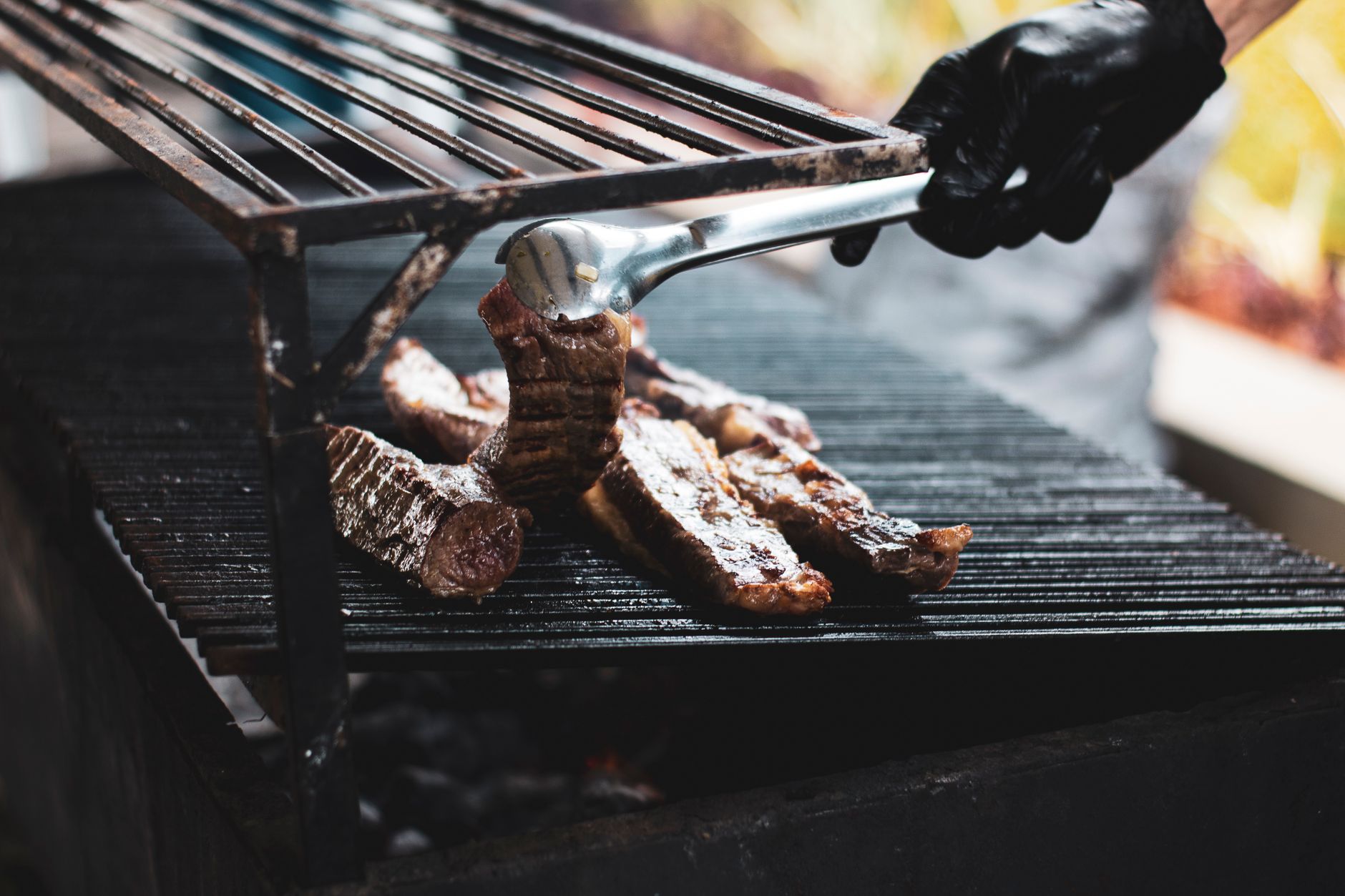
Churrasco is a flavorful dish originating in South America, notably associated with Brazil and Argentina, where it has become a culinary staple. Typically made from grilled beef, this dish showcases the rich traditions and techniques of barbecuing, characterized by its smoky, charred flavor and juicy texture.
Understanding the ingredients, flavors, and especially how to serve churrasco can elevate your cooking experience. While the basics can be simple, mastering this delicious dish involves appreciating the nuances of seasoning, cooking methods, and accompaniments that make it unique.
What Is Churrasco?
Churrasco refers to grilled meat, particularly beef, that is popular across Latin America, with each region adding its own twist. In Brazil, it often means simply “barbecue,” and encompasses a variety of cuts from both beef and other meats. Argentine churrasco typically focuses on a specific cut called “entraña,” or flank steak, known for its tenderness and flavor.
Key Ingredients of Churrasco
At its core, churrasco is about high-quality meat and straightforward seasoning. Here’s a breakdown of the essential components:
- Meat: The star of the dish. Common cuts include flank steak, ribeye, sirloin, and various others, depending on the region.
- Salt: Traditionally, coarse salt is used to season the meat before grilling, enhancing its natural flavors.
- Chimichurri Sauce: A vibrant green sauce made with parsley, garlic, vinegar, and oil that serves as both a marinade and a condiment.
- Vegetables: While not always included, grilled vegetables, such as peppers and onions, often accompany the meat.
- Charcoal or Wood: A crucial cooking element that imparts a distinct smoky flavor and creates the perfect sear.
Flavor Profile
Churrasco is celebrated for its robust and savory flavor. The high heat from the grill caramelizes the exterior, creating a mouthwatering crust while keeping the inside tender and juicy. The simplicity of salt allows the natural beef flavors to shine, while chimichurri adds a zesty brightness, enhancing each bite with freshness.
How to Prepare and Cook Churrasco
Cooking churrasco involves some straightforward techniques. Here’s how to effectively prepare and grill your meat:
Essential Equipment
- Grill (charcoal or gas)
- Grill tools (tongs, spatula, basting brush)
- Meat thermometer
- Cutting board
- Knife
Preparation Steps
- Choose Your Cut: Select your preferred cut of beef. Flank steak is highly recommended for its balance of flavor and tenderness.
- Season the Meat: Generously coat the meat with coarse salt. Allow it to sit for at least 30 minutes to draw out moisture and enhance flavor.
- Prepare Chimichurri Sauce: Blend parsley, garlic, red wine vinegar, and olive oil in a bowl. Season with salt and pepper to taste. This sauce will not only marinate the meat but also serve as a dipping condiment.
- Preheat the Grill: Prepare your grill by preheating it to high heat—aim for about 450°F (232°C) to 500°F (260°C).
- Grill the Meat: Place the meat on the grill. Cook for about 4-6 minutes on each side, depending on the thickness and desired doneness. Use a meat thermometer to check for doneness: 135°F (57°C) for medium-rare, 145°F (63°C) for medium.
- Rest the Meat: Once cooked, remove the meat from the grill and let it rest for 5-10 minutes before slicing. This allows juices to redistribute throughout the meat.
- Slice and Serve: Slice the churrasco against the grain and serve with chimichurri sauce on the side for dipping.
Common Mistakes to Avoid
Here are some common pitfalls to steer clear of when making churrasco:
- Not allowing the meat to rest after cooking, which can lead to dry meat.
- Using too much seasoning other than salt. The beauty of churrasco is in its simplicity.
- Using low heat, which can prevent proper searing and result in uneven cooking.
- Forgetting to slice against the grain, which can make even the juiciest cuts tough to chew.
Churrasco Variations
Churrasco can adapt to various preferences and tastes. Some variations include:
- Pork Churrasco: Utilizing pork cuts like tenderloin or shoulder for a different flavor profile.
- Chicken Churrasco: Marinating chicken with chimichurri sauce for an alternate protein option.
- Vegetable Churrasco: Making skewers with vegetables like zucchini, peppers, and mushrooms, brushed with chimichurri for a vegetarian-friendly version.
Storage and Reheating Churrasco
To maximize the enjoyment of your churrasco, proper storage and reheating are essential:
- Storage: Store any leftover meat in an airtight container in the refrigerator for up to three days. For longer storage, freeze it in a suitable container for up to three months.
- Reheating: To reheat, warm the meat gently in an oven at 250°F (121°C) or on a stovetop over low heat until warmed through. Avoid high heat to prevent drying out.
Serving Suggestions
Churrasco can be enjoyed in various ways. Here are some ideas for serving:
- With Chimichurri: Offer chimichurri sauce on the side for drizzling over the meat or as a dipping sauce.
- Grouped with Sides: Serve with traditional side dishes, such as rice, black beans, or grilled vegetables.
- In Tacos or Sandwiches: Use sliced churrasco in tacos or sandwiches with fresh toppings for a portable option.
- Accompanied by Wine: Pair with robust red wines, like Malbec or Cabernet Sauvignon, to complement the flavors.
Making Churrasco at Home
For those looking to replicate this dish at home, consider hosting a churrasco-themed gathering where friends and family can participate in grilling. This method of cooking not only provides an opportunity to enjoy delicious food but also encourages socializing and sharing traditions.
Exploring Churrasco Culture
Churrasco is more than just a meal; it’s a cultural experience in many South American countries. Commonly prepared during family gatherings, festivals, or weekend barbecues, it embodies the spirit of communal cooking and shared enjoyment. Understanding the traditions surrounding churrasco can add depth to your cooking knowledge and appreciation of this dish.
Next Steps in Your Churrasco Journey
Once you’ve mastered the basic preparation of churrasco, consider experimenting with different marinades and grilling techniques. Whether trying out variations like pork or chicken, or investigating how different regional styles prepare churrasco, the options are endless. Additionally, if you’re intrigued by marinades and seasonings, take a look at our pork marinade recipe for even more flavor inspiration. For those ready to take their grilling skills even further, visit our churrasco recipe for specific preparation details.