
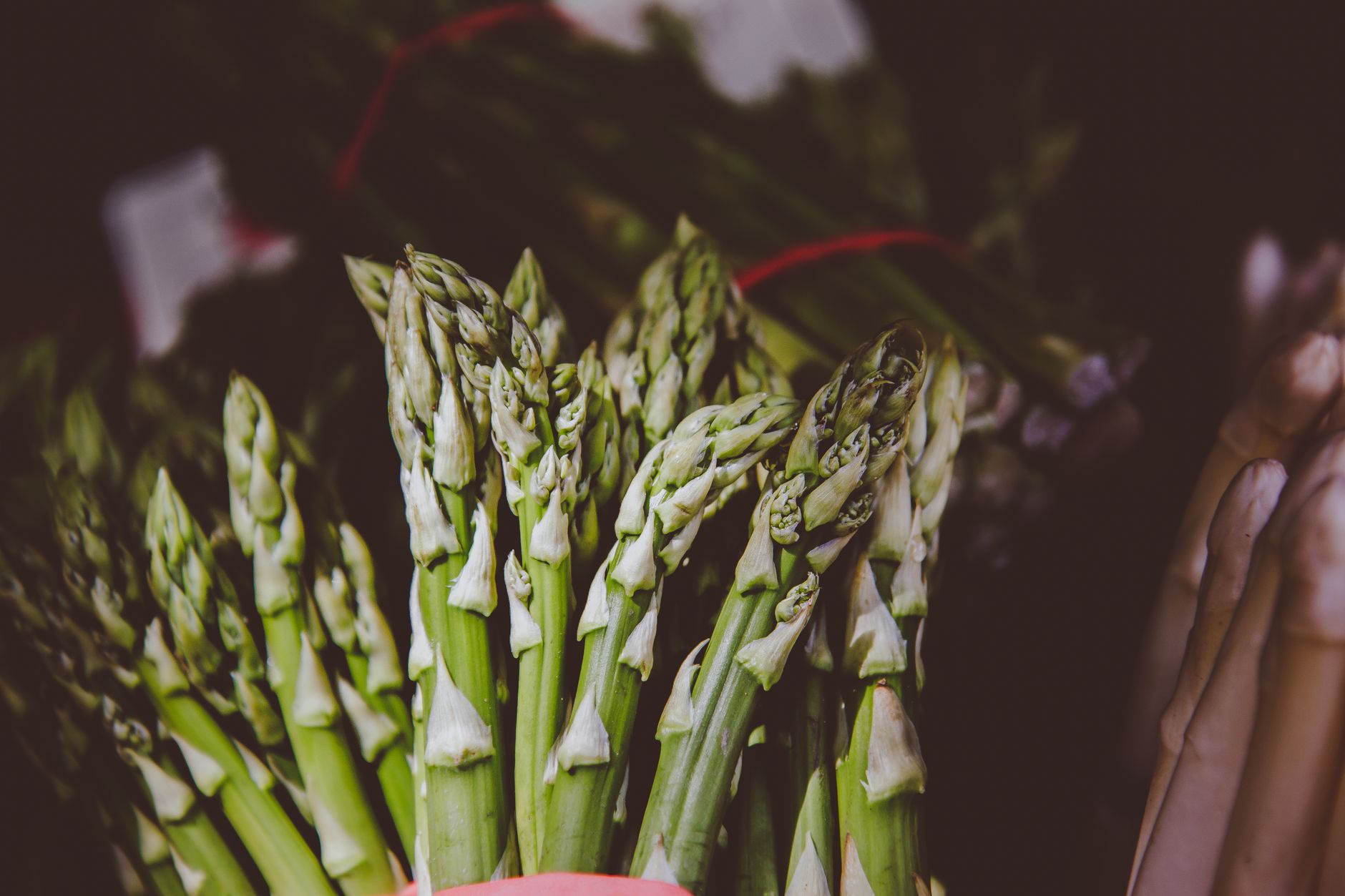
Baking asparagus is not only possible, but it’s also an excellent way to enhance its natural flavors. When roasted or baked, asparagus develops a tender texture with a slightly caramelized exterior that adds depth to its earthy, grassy taste. This method can transform asparagus into a delightful side dish, perfect for any meal.
In this guide, we will explore how to bake asparagus, covering everything from preparation techniques and timing to serving suggestions. Whether you’re looking for a quick weeknight side or an elegant addition to a dinner party, baking asparagus is a versatile cooking method that can elevate your meals.
Can You Bake Asparagus?
Yes, you can bake asparagus, and it results in a dish that’s packed with flavor. The high heat of the oven brings out the vegetable’s natural sweetness while achieving a nice char. This makes it an ideal option for those seeking to enhance their vegetable dishes.
Benefits of Baking Asparagus
Baking asparagus is a straightforward cooking technique with several benefits:
- Flavor Development: Baking brings out the natural sweetness of asparagus, as the high heat caramelizes its sugars.
- Textural Improvement: It results in a tender interior with a slightly crisp exterior, making it delightful to eat.
- Easy Preparation: Minimal preparation is required, making it a quick and easy side dish.
- Versatile Seasoning: You can customize the flavor profile by experimenting with different oils, spices, and herbs.
What You Need to Bake Asparagus
Before diving into the baking process, gather your ingredients and equipment:
- Fresh Asparagus: Look for firm, bright green stalks with closed tips.
- Olive Oil or Other Oils: For roasting, olive oil enhances the flavor and helps with caramelization.
- Seasonings: Common seasonings include salt, pepper, garlic powder, lemon zest, or Parmesan cheese.
- Baking Sheet: A rimmed baking sheet is ideal to catch any drippings.
- Parchment Paper (Optional): For easy cleanup, a layer of parchment paper can be used.
Preparation Steps for Baking Asparagus
Preparing asparagus for baking is simple and can take just a few minutes:
- Trim the Ends: Hold a stalk of asparagus near the base and bend it gently until it snaps. This point is typically where the tough, woody part ends. Use this stalk as a guide to trim the rest of the bunch.
- Wash the Stalks: Rinse the asparagus under cool water to remove any dirt or debris.
- Dry Thoroughly: Pat the asparagus dry with a clean kitchen towel or paper towels. Removing excess water aids in achieving a crisp finish.
- Season: Place the asparagus in a bowl or directly on the baking sheet. Drizzle with olive oil and sprinkle your chosen seasonings. Toss to coat evenly.
Baking Asparagus: Timing and Temperature
The ideal temperature for baking asparagus is 400°F (200°C). This temperature allows for quick cooking and optimal caramelization. Here are some basic timing guidelines:
- Thin Asparagus Stalks: Bake for 10-12 minutes.
- Medium Asparagus Stalks: Bake for 12-15 minutes.
- Thick Asparagus Stalks: Bake for 15-20 minutes.
To ensure even cooking, it’s important to cut the asparagus stalks into uniform sizes. Thick or unevenly cut pieces will lead to uneven cooking, with some stalks overcooked while others remain undercooked.
How to Bake Asparagus Step-by-Step
Now, let’s break down the baking process into a step-by-step guide:
- Preheat the Oven: Begin by preheating your oven to 400°F (200°C).
- Prepare the Asparagus: Trim, wash, and dry the asparagus as outlined in the preparation steps.
- Season: In a large bowl, toss the dry asparagus with olive oil, salt, pepper, and any additional seasonings you prefer.
- Arrange on Baking Sheet: Spread the asparagus in a single layer on the baking sheet. Avoid overcrowding to ensure even roasting.
- Bake: Place the baking sheet in the preheated oven. Bake according to the timing guidelines based on the thickness of your stalks.
- Check for Doneness: The asparagus is done when it is fork-tender and has a slight char. Keep an eye on it in the last couple of minutes to prevent overcooking.
- Serve: Remove from the oven and let cool for a minute before serving. You can drizzle with lemon juice or sprinkle with cheese for added flavor.
Flavor Variations
While baked asparagus is delicious on its own, a few simple additions can enhance its flavor profile:
- Garlic and Herbs: Add minced garlic and fresh herbs, such as thyme or rosemary, for a fragrant aroma.
- Cheese: Top with grated Parmesan or feta cheese during the last few minutes of baking for a cheesy finish.
- Lemon Zest: A sprinkle of fresh lemon zest before serving can brighten the dish.
- Balsamic Glaze: Drizzle with balsamic reduction after baking for a sweet-tart finish.
Common Mistakes and Troubleshooting
When baking asparagus, you may encounter a few common pitfalls. Here’s how to address them:
- Overcooking: To avoid mushy asparagus, keep a close eye on baking time. Start checking for doneness a few minutes early.
- Under-seasoning: Don’t be afraid to generously season your asparagus before baking. The oils and heat will help to infuse flavor.
- Crowded Baking Sheet: Spread asparagus in a single layer. Overcrowding can lead to steaming rather than roasting.
Serving Suggestions
Once baked, asparagus can be enjoyed in various ways:
- As a Side Dish: Baked asparagus pairs beautifully with grilled chicken, steak, or fish.
- In Salads: Chopped asparagus can be added to salads, mixing well with greens, nuts, and cheese.
- With Pasta: Toss baked asparagus with pasta, olive oil, and linguine or fettuccine for a hearty vegetarian dish.
- Brunch or Breakfast: Serve alongside eggs or in a quiche for a healthy breakfast option.
Make-Ahead Tips
Baked asparagus is best enjoyed fresh but can still be prepared in advance:
- Prep Ahead: You can trim and wash the asparagus a day in advance. Just store it in a sealed container in the fridge.
- Reheat: If you have leftovers, reheat them in the oven at 350°F (175°C) for about 10 minutes or until warmed through. This will maintain its crispness.
Storage and Reheating
If you have leftovers, proper storage is key to maintaining the flavor and texture of your baked asparagus:
- Refrigeration: Store baked asparagus in an airtight container in the refrigerator. It can last for up to three days.
- Freezing: While freezing is not recommended for already baked asparagus due to its change in texture, you can freeze raw asparagus before baking. Blanch it first, let it cool, and then freeze in a sealed bag.
Substitutions for Asparagus
If you find yourself without asparagus at hand, consider these alternatives:
- Green Beans: Similar in texture and cooking time, green beans can serve as a suitable substitute.
- Broccoli: Broccoli florets can be roasted similarly, though they may require a slightly longer cooking time.
- Brussels Sprouts: Halved Brussels sprouts make for another robust option that absorbs flavors well.
Baking asparagus is a delicious and healthy choice that showcases the vegetable’s natural beauty. By following the steps detailed above, you can ensure that your asparagus comes out perfectly roasted every time. Enjoy it as a simple side dish or incorporate it into various meals for an added nutrient boost!
For more insights on preparing asparagus, you might also be interested in how long to boil asparagus or if you can eat raw asparagus.