
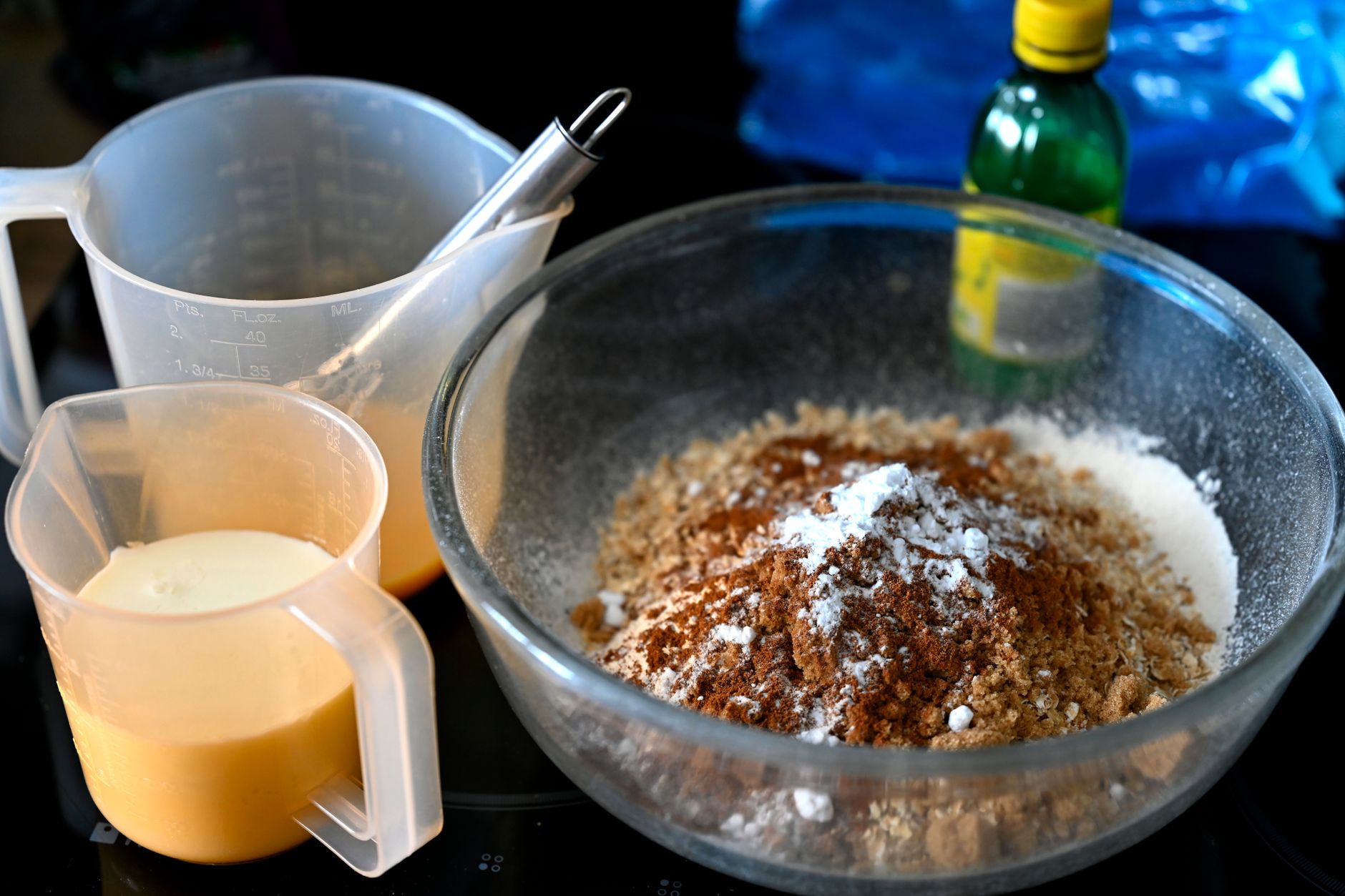
Understanding measurements in cooking, especially when it comes to dry ingredients, can be quite challenging. One common question that often arises for home cooks is: “How many dry cups are in a pound?” This knowledge is crucial for accurate recipe execution, particularly in baking and meal preparation where precision can affect the final outcome.
This article will delve into the nuances of measuring dry ingredients, including key conversions, practical applications, and tips for achieving the best results in your kitchen. Whether you’re baking a cake or cooking a hearty stew, knowing the conversions can save you from potential cooking mishaps and enhance your culinary skills.
How Many Dry Cups in a Pound?
The conversion between dry cups and pounds varies depending on the density of the ingredient being measured. Generally, one pound of dry ingredients translates to about 4 to 5 cups, depending on factors like the ingredient’s particular weight and moisture level.
Understanding Dry Measurements
Dry ingredients, such as flour, sugar, and grains, are typically measured in cups or tablespoons, while their weight is more often expressed in pounds or ounces. Here are some key points to help clarify dry measurements:
- Volume measurements like cups do not always equate to weight measurements such as pounds.
- The type of ingredient significantly impacts the conversion rate between weight and volume.
- When dry ingredients are packed, the volume decreases, leading to variations in measurements.
Cup and Pound Conversions for Common Dry Ingredients
Each ingredient has its specific weight per cup. Below is a table that illustrates common dry ingredients and their respective conversions from pounds to cups:
| Ingredient | Pounds per Cup | Cups in a Pound |
|---|---|---|
| All-Purpose Flour | 0.25 lb | 4 cups |
| Granulated Sugar | 0.5 lb | 2 cups |
| Brown Sugar (packed) | 0.4 lb | 2.5 cups |
| Baking Powder | 0.5 lb | 1.5 cups |
| Cornmeal | 0.4 lb | 2.5 cups |
| Oats | 0.125 lb | 8 cups |
| Rice (uncooked) | 0.5 lb | 2 cups |
Measuring Techniques for Dry Ingredients
Accurate measurement of dry ingredients is essential for recipe success. Here are some effective measuring techniques to keep in mind:
Use the Right Tools
Use dry measuring cups for powdered and granular ingredients, such as flour, sugar, and salt. Ensure that your tools are level for the most accurate measurements.
Fluff the Ingredient Before Measuring
For ingredients like flour, it’s important to fluff it with a fork or whisk before scooping it into your measuring cup. This prevents it from being packed down, which can lead to excess flour and affect the final product.
Level Off the Cups
After filling a measuring cup, use a straight edge, like a knife, to level off the excess. This ensures you’re using the right amount, preventing any discrepancies in your baking or cooking.
Measure by Weight for Precision
When in doubt, measuring dry ingredients by weight can provide the most accurate results. A kitchen scale will allow you to convert pounds to grams easily, further enhancing accuracy.
Common Mistakes in Measuring Dry Ingredients
Accuracy in measuring dry ingredients is critical, but several common mistakes can occur. Here are a few to avoid:
- Using liquid measuring cups for dry ingredients can lead to incorrect measurements.
- Packing dry ingredients tightly into the measuring cup can cause excess weight, altering the recipe.
- Neglecting to scoop and level off dry ingredients before measuring can result in inconsistencies.
Practical Applications in Baking and Cooking
The understanding of how many dry cups are in a pound plays a crucial role in various recipes, from baking delectable cakes to preparing sauces. Here are some practical applications:
Baking
Baking, a science in itself, requires precise measurements. For example, if a recipe calls for 2 cups of flour but you only have flour measured by weight, knowing that 1 pound equals about 4 cups allows you to weigh out 0.5 pounds instead.
Meal Planning
When meal planning or prepping in bulk, understanding ingredient conversions becomes a valuable skill. For instance, if you wish to cook a large batch of rice, knowing that 1 pound of rice is approximately 2 cups can help you efficiently manage portions.
Substituting Ingredients
When substituting ingredients, the understanding of dry cup to pound ratios can aid smooth transitions. For example, if you need brown sugar but only have granulated sugar, knowing their cup measurements lets you adjust accordingly, ensuring your final dish isn’t compromised.
Ingredient Substitutions and Their Implications
Here are some common ingredient substitutions along with their potential effects on flavor and texture:
- All-Purpose Flour for Whole Wheat Flour: Similar in weight, but expect denser, nuttier baked goods when using whole wheat.
- Granulated Sugar for Brown Sugar: Brown sugar adds moisture and a slight caramel flavor, so use less granulated sugar to accommodate.
- Cornstarch for Flour: Can be used to thicken sauces, but will need a different ratio since cornstarch is lighter.
Storage and Shelf Life of Dry Ingredients
Proper storage conditions can extend the life of dry ingredients while ensuring maximum flavor and texture. Here are some tips:
- Keep dry ingredients in airtight containers in a cool, dry place.
- Regularly check for pest infestation or moisture damage.
- Be mindful of the expiration dates on baking powders and leavening agents, as they lose potency over time.
Reheating and Using Leftovers
When using leftovers, such as grains cooked from bulk measureings, ensuring they reheating correctly is key. Follow these steps:
- Place the leftover grains in a saucepan with a bit of water or broth.
- Heat on medium-low, stirring occasionally, until warmed through.
- Serve immediately or incorporate into soups, salads, or dishes as desired.
Conclusion
Understanding the relationship between dry cups and pounds is an integral part of recipe accuracy in cooking and baking. Whether you’re measuring flour for bread or sugar for cookies, knowing these conversions allows you to approach your recipes with confidence and precision. Remember, accurate measurements can greatly affect the flavor, texture, and overall quality of your dishes, leading to an improved cooking experience.
For more cooking tips and guides, feel free to explore the difference between bleached and unbleached flour and find out how much water to use for rice.