
There’s a certain magic in the air when you whip up a batch of Custard Cream. This silky, smooth delight captures the essence of comfort food, making it a versatile addition to desserts or a sweet treat on its own.
What makes this recipe special is its creamy texture and rich flavor that takes desserts to the next level. It’s easy to prepare and can be flavored in endless ways, making it a staple for both novice and seasoned bakers alike.
Why You’ll Love This Recipe
This recipe is a true crowd-pleaser, perfect for any occasion.
- Rich and creamy texture that melts in your mouth.
- Versatile for use in various desserts like tarts and pastries.
- Simple ingredients you likely already have at home.
- Can be flavored with vanilla, chocolate, or citrus for variety.
- Quick prep and cooking time, perfect for busy days.
My Experience Making This Recipe
When I first made this custard cream, I was amazed at how simple it was. The aroma of vanilla filling my kitchen was an instant mood booster.
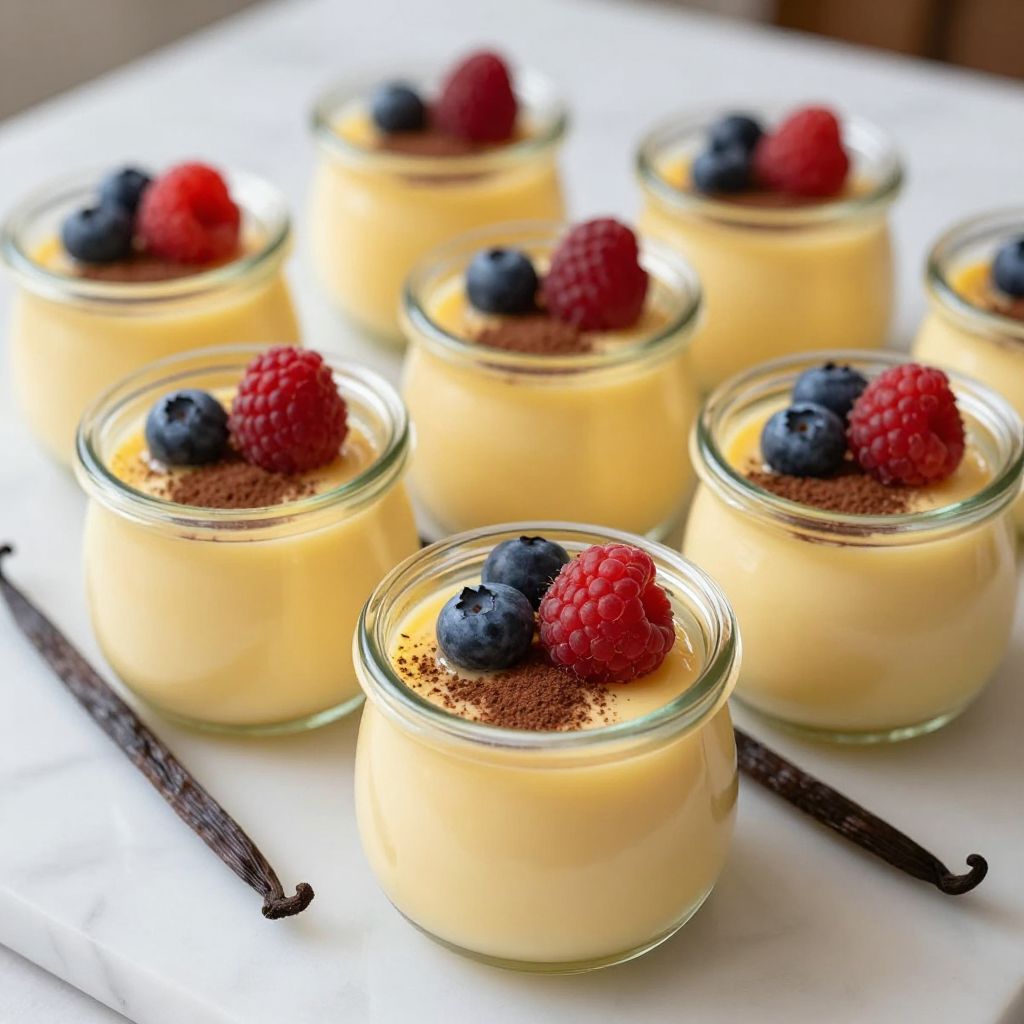
As I poured it into jars, I couldn’t resist taking a taste. The creamy texture and sweet flavor felt like a warm hug!
Recipe Overview
- Recipe Name: Custard Cream
- Servings: 4
- Prep Time: 10 minutes
- Cook Time: 15 minutes
- Total Time: 25 minutes
- Course: Dessert
- Cuisine: French
- Calories per Serving: 200
Equipment You Will Need
- Medium saucepan
- Whisk
- Mixing bowl
- Measuring cups and spoons
- Fine mesh strainer
- Jar or container for storage
Ingredients for Custard Cream
- 2 cups whole milk
- 1/2 cup granulated sugar
- 4 large egg yolks
- 2 tablespoons cornstarch
- 1 teaspoon vanilla extract
- Pinch of salt
Ingredient Notes and Substitutions
- Whole milk: Used for its creaminess; substitute with 2% milk for a lighter version.
- Granulated sugar: Sweetens the custard; can be replaced with honey or maple syrup.
- Egg yolks: Provide richness; egg substitutes can be used, but results may vary.
- Cornstarch: Thickens the custard; arrowroot powder can be a good alternative.
- Vanilla extract: Adds flavor; other extracts like almond or citrus can be used.
How to Make Custard Cream
Step 1: Heat the Milk
In a medium saucepan, heat the milk over medium heat until it’s steaming but not boiling. This step is crucial as it helps to infuse the milk with flavors.
Step 2: Whisk Egg Yolks
In a mixing bowl, whisk together the egg yolks, sugar, cornstarch, and salt until smooth. This creates a base that will give the custard its rich texture.
Step 3: Temper the Egg Mixture
Gradually pour some of the hot milk into the egg mixture while whisking constantly. This helps to slowly raise the temperature of the eggs to avoid scrambling.
Step 4: Combine the Mixtures
Pour the tempered egg mixture back into the saucepan with the remaining milk. Stir continuously to ensure even cooking.
Step 5: Cook the Custard
Continue to cook over medium heat, whisking constantly until the mixture thickens and coats the back of a spoon. This usually takes about 5–7 minutes.
Step 6: Add Vanilla
Once thickened, remove the saucepan from heat and stir in the vanilla extract. This enhances the flavor beautifully.
Step 7: Strain the Custard
For an ultra-smooth texture, strain the custard through a fine mesh strainer into a bowl or container. This removes any lumps or egg bits that may have formed.
Step 8: Cool and Store
Let the custard cool to room temperature before transferring it to the refrigerator. It will thicken further as it cools.
Pro Tip: For an extra touch, top your custard cream with fresh berries or a sprinkle of cocoa powder before serving.
Tips for the Best Custard Cream
- Use fresh eggs for the best flavor and texture.
- Don’t rush the cooking process; keep the heat moderate to avoid curdling.
- Whisk constantly while cooking to ensure even thickening.
- Try infusing the milk with spices like nutmeg or cinnamon for a unique twist.
- Serve the custard chilled for a refreshing dessert experience.
Common Mistakes to Avoid
- Cooking on high heat can scramble the eggs, ruining the texture.
- Skipping the straining step leaves lumps in your custard.
- Not whisking continuously can lead to uneven cooking.
- Using cold milk may not allow for proper thickening.
Serving Suggestions
Custard cream is delightful on its own or as a component in other desserts.
- As a filling for pastries or tarts.
- Layered in parfaits with fruits and granola.
- Drizzled over cakes or brownies.
- Paired with a dollop of whipped cream.
Variations to Try
- Chocolate Custard: Add melted chocolate to the mixture for a rich chocolate flavor.
- Citrus Custard: Use lemon or orange zest to brighten up the taste.
- Almond Custard: Replace vanilla extract with almond extract for a nutty twist.
- Spiced Custard: Add a pinch of cinnamon or cardamom for warmth.
Dietary Adaptations
- Gluten-Free: This recipe is naturally gluten-free.
- Dairy-Free: Substitute milk with almond or coconut milk, adjusting the thickness.
- Vegan: Use plant-based egg substitutes and a non-dairy milk.
- Low-Carb/Keto: Replace sugar with a low-carb sweetener like erythritol.
Storage and Reheating
Refrigerator
Store custard cream in an airtight container in the refrigerator for up to 3 days.
- Keep it covered to prevent a skin from forming.
Freezer
Custard can be frozen, but the texture may change slightly upon thawing.
- Store in freezer-safe containers for up to 1 month.
Reheating
Reheat gently in a saucepan over low heat, stirring until warm.
- Microwaving is also an option; heat in short intervals to avoid overheating.
Nutrition Information
| Nutrient | Amount |
|---|---|
| Calories | 200 |
| Total Fat | 8g |
| Saturated Fat | 5g |
| Carbohydrates | 28g |
| Fiber | 0g |
| Sugar | 24g |
| Protein | 5g |
| Sodium | 70mg |
| Cholesterol | 210mg |
This nutritional information is an estimate and may vary based on specific ingredients used.
Frequently Asked Questions
Can I make custard cream ahead of time?
Yes, custard cream can be made a day in advance and stored in the refrigerator.
What can I use as a substitute for egg yolks?
You can use commercial egg replacers, but the texture may be different.
How do I avoid lumps in my custard?
Whisk continuously while cooking and strain the mixture before cooling to ensure smoothness.
Can I flavor the custard differently?
Absolutely! You can experiment with different extracts, spices, or even citrus zest.
How should I store leftover custard cream?
Keep it in an airtight container in the refrigerator for up to three days.
Final Thoughts
Making your own custard cream is a rewarding experience that brings a touch of elegance to any dessert. I encourage you to give this recipe a try and enjoy the delightful results.
For more delicious recipes, check out my Bavarian Cream Recipe and learn how to make Crème Fraîche for your next culinary adventure!
Custard Cream
Ingredients
Equipment
Method
- In a medium saucepan, heat the milk over medium heat until it’s steaming but not boiling.
- In a mixing bowl, whisk together the egg yolks, sugar, cornstarch, and salt until smooth.
- Gradually pour some of the hot milk into the egg mixture while whisking constantly.
- Pour the tempered egg mixture back into the saucepan with the remaining milk.
- Continue to cook over medium heat, whisking constantly until the mixture thickens and coats the back of a spoon, about 5–7 minutes.
- Once thickened, remove the saucepan from heat and stir in the vanilla extract.
- Strain the custard through a fine mesh strainer into a bowl or container.
- Let the custard cool to room temperature before transferring it to the refrigerator.