
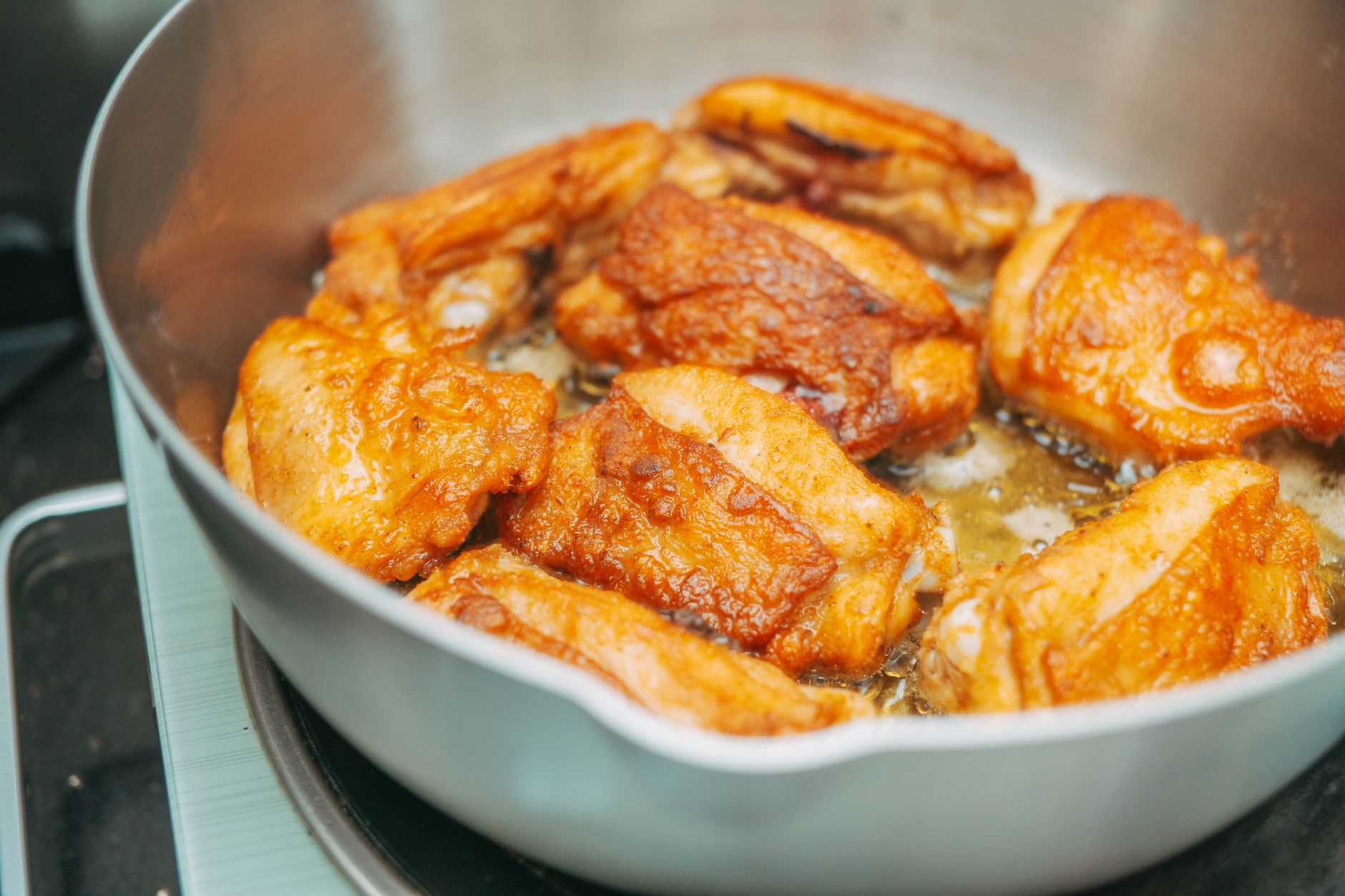
Frying chicken in butter is a cooking technique that brings a rich flavor and crispy texture to this beloved dish. While traditional frying often involves oils like vegetable or canola, butter can provide a unique taste profile that many find appealing. The key is understanding the properties of butter, the frying process, and the right cooking techniques.
This article will explore whether you can fry chicken in butter, how to do it correctly, and what tips can enhance your frying experience. You’ll learn everything from preparation and cooking times to serving suggestions, making it easier than ever to create delicious, buttery fried chicken.
Can You Fry Chicken in Butter?
Yes, you can fry chicken in butter! However, it’s essential to understand that butter has a low smoke point compared to many cooking oils. This means it can burn quickly, so frying chicken in butter requires careful attention to temperature and technique. When done properly, butter can yield flavorful, crispy chicken with a delectable aroma.
Why Choose Butter for Frying Chicken?
Frying chicken in butter adds a unique richness and flavor that oil cannot replicate. The milk solids in butter caramelize during frying, providing a golden crust and a deeper flavor. Using butter also complements other seasonings and ingredients, making for an overall vibrant dish.
The Role of Clarified Butter
If you’re concerned about butter burning during the frying process, consider using clarified butter (also known as ghee). Clarified butter has had its milk solids removed, raising its smoke point and allowing it to withstand higher temperatures without burning. This makes it an excellent choice for frying chicken while still enjoying that buttery flavor.
Preparation Time and Cooking Time
- Prep Time: 15 minutes (plus marination time)
- Cooking Time: 20 to 30 minutes
- Total Time: 35 to 45 minutes (depends on the chicken cut)
Ingredient List
- 4 pieces of chicken (legs, thighs, or breasts, bone-in and skin-on preferred)
- 1 cup buttermilk (for marinating)
- 1 cup all-purpose flour
- 1 teaspoon garlic powder
- 1 teaspoon onion powder
- 1 teaspoon smoked paprika
- Salt and pepper to taste
- 1 cup clarified butter (or regular butter, if not concerned about the smoke point)
Essential Equipment
- Large bowl (for marinating)
- Frying pan or cast-iron skillet
- Meat thermometer
- Wire rack (for resting the chicken post-frying)
- Slotted spoon or tongs
Step-by-Step Method for Frying Chicken in Butter
- Marinate the Chicken: In a large bowl, pour the buttermilk over the chicken pieces. Season with salt and pepper, ensuring that all parts are well-coated. Cover and refrigerate for at least 30 minutes to 2 hours (or overnight for more flavor).
- Prepare the Coating: In another bowl, mix the all-purpose flour with garlic powder, onion powder, smoked paprika, salt, and pepper. Create an even coating for the chicken.
- Heat the Butter: In your frying pan or skillet, add the clarified butter over medium heat. Allow it to melt and then heat until it shimmers but does not smoke.
- Dredge the Chicken: Remove the chicken pieces from the buttermilk, allowing excess liquid to drip off. Dredge each piece in the seasoned flour mixture, coating it thoroughly. Shake off any excess flour.
- Fry the Chicken: Carefully place the coated chicken pieces into the hot butter. Don’t overcrowd the pan; fry in batches if necessary. Cook each piece for about 10-15 minutes per side, depending on the thickness. Turn occasionally for even browning.
- Check Doneness: Use a meat thermometer to ensure that the internal temperature of the chicken reaches at least 165°F (74°C). The chicken should be golden brown and crispy.
- Drain and Rest: Once cooked, transfer the chicken to a wire rack to drain excess butter. Allow it to rest for 5-10 minutes. This helps the juices redistribute and keeps the chicken moist.
- Serve: Serve the chicken warm with your favorite sides, such as mashed potatoes, coleslaw, or corn on the cob. Enjoy the rich, buttery taste that comes from frying in butter!
Common Mistakes and Troubleshooting
- Burning the Butter: Monitor the heat closely; if the butter starts to brown too quickly, lower the heat to avoid burning.
- Insufficient Coating: Ensure the chicken is evenly coated with the flour mixture for maximum crispiness.
- Under-cooked Chicken: Always check the internal temperature to ensure it’s cooked through.
- Overcrowding the Pan: Fry chicken in batches if necessary. Overcrowding will lower the temperature and yield soggy chicken.
Serving Suggestions
Fried chicken can be served in various ways, making it a versatile dish. Here are a few ideas:
- Classic Southern Style: Serve with biscuits, gravy, and collard greens for a traditional meal.
- Sandwiches: Slice the fried chicken and serve it on a bun with lettuce, tomato, and mayonnaise for a delicious sandwich.
- Family Feast: Pair with a variety of sides like macaroni and cheese, cornbread, and a fresh salad.
- Finger Food: Cut into smaller pieces and serve with dipping sauces like honey, barbecue, or ranch dressing for a snack or appetizer.
Make-Ahead Tips
Fried chicken is best enjoyed fresh, but you can prepare some elements ahead of time:
- Marinate Chicken: Marinate the chicken overnight to enhance flavor, saving you time on the day of frying.
- Prepare Coating Early: Mix the flour coating ingredients ahead of time and store them in an airtight container.
Storage and Reheating
If you have leftovers, store them properly to maintain flavor and texture:
- Place cooled fried chicken in an airtight container and refrigerate for up to 3 days.
- To reheat, place the chicken on a baking sheet and warm it in a preheated 375°F (190°C) oven for about 15-20 minutes, or until heated through.
Variations and Substitutions
If you’re looking to experiment, here are some variations you can try:
- Spicy Fried Chicken: Add cayenne pepper or your favorite hot sauce to the buttermilk marinade for a spicy kick.
- Herbed Coating: Incorporate dried herbs such as thyme or oregano into the flour mixture for additional flavor.
- Gluten-Free Option: Substitute the all-purpose flour for gluten-free flour or almond flour, adjusting the amount as needed.
Butter Alternatives
If you’re looking for alternatives to traditional butter, consider these options:
- Clarified Butter: As previously mentioned, this is a great substitute that can handle high heat.
- Vegetable Oil: For a neutral flavor, vegetable or canola oil can be used, though you’ll miss out on that rich butter flavor.
- Olive Oil: While not traditional for frying chicken, it can add a unique flavor; however, monitor the heat to avoid smoking.
Frying chicken in butter is not only possible but can yield a truly delightful dish. With the right technique, attention to detail, and a bit of creativity, you can enjoy crispy, flavorful chicken that may become a favorite in your culinary repertoire. It’s an inviting journey into rich flavors that promise to satisfy any palate.
If you want to explore more about frying chicken, check out our fried chicken thighs recipe for another delicious twist. If you’re interested in using clarified butter for various cooking methods, our guide on making clarified butter can help you get started.