
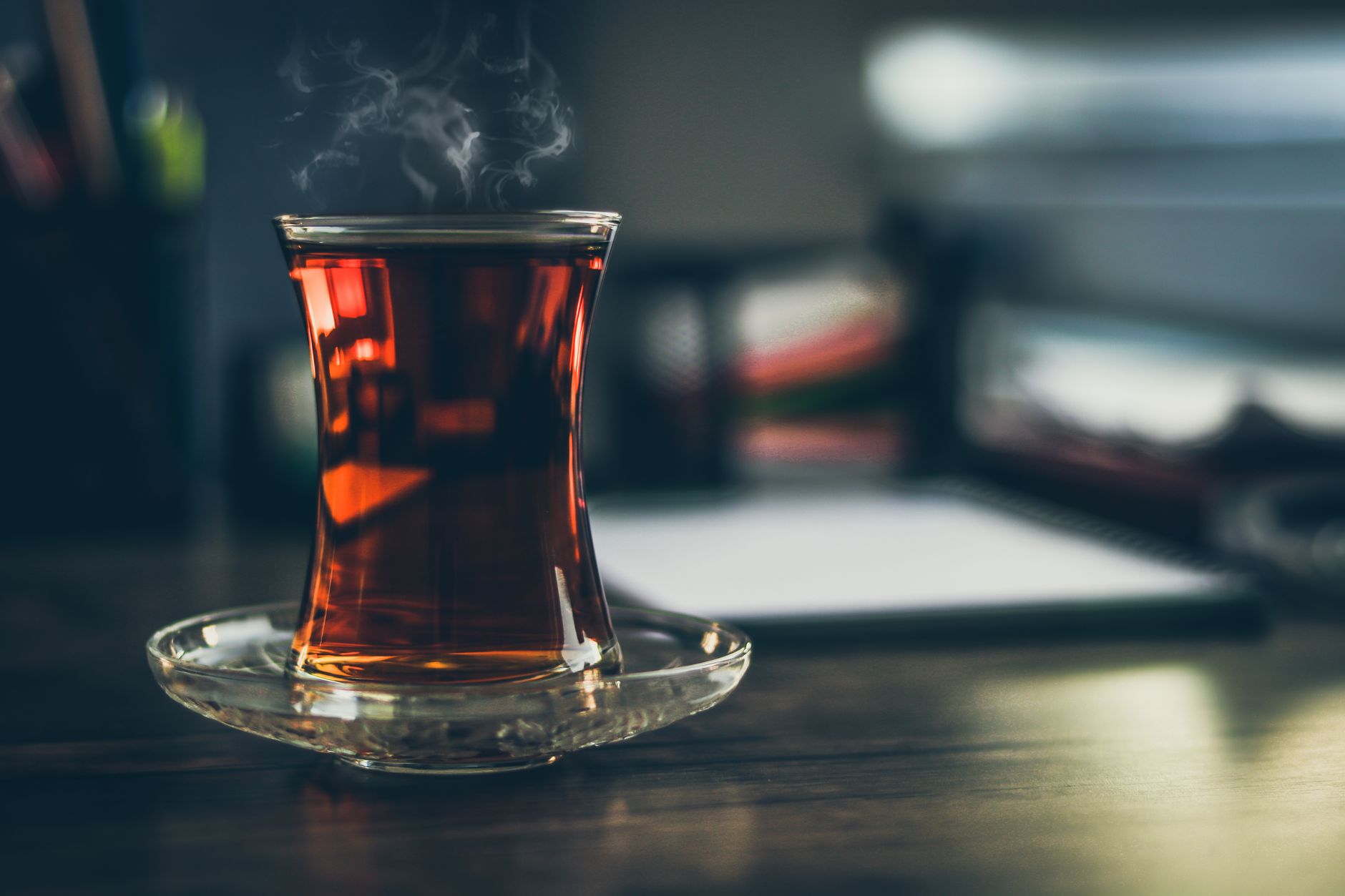
Tea is a favorite beverage for millions around the world, enjoyed for its diverse flavors, aromas, and potential health benefits. However, a common question arises: does drinking tea actually dehydrate you? Understanding the relationship between tea consumption and hydration is essential, particularly for those who rely on this beverage as their main source of liquids.
In this article, we will explore the components of tea that may contribute to dehydration, the effects of caffeine, and how different types of tea can impact your hydration levels. We’ll also address common misconceptions and provide practical guidance on incorporating tea into your daily routine.
Does Drinking Tea Dehydrate You?
Drinking tea does not typically dehydrate you. Although tea contains caffeine, which has mild diuretic properties, the overall hydration benefits of tea often outweigh any potential dehydrating effects. Hydration is influenced significantly by the amount of liquid consumed, and tea remains primarily a hydrating beverage.
Understanding Hydration and Dehydration
Hydration is the process of maintaining an adequate balance of fluids in the body, which is vital for many bodily functions. Dehydration occurs when fluid loss outpaces fluid intake, leading to symptoms like thirst, fatigue, dizziness, and decreased urine output.
It’s important to note that your body requires a constant intake of fluids to maintain optimal hydration. Factors such as exercise, heat, and diet can influence your hydration needs, making it crucial to choose hydrating beverages.
The Role of Caffeine in Tea
Caffeine is a naturally occurring stimulant found in varying amounts in different types of tea. Some people believe that caffeine can lead to dehydration due to its mild diuretic effect, which may increase urine production. However, the diuretic effect of caffeine in tea is generally moderate.
Caffeine Levels in Different Teas
Understanding the caffeine content of different types of tea is essential for gauging their effects on hydration. Here’s a brief overview of the caffeine content found in various teas:
- Black Tea: Approximately 40-70 mg per 8 oz cup
- Green Tea: Approximately 20-45 mg per 8 oz cup
- Oolong Tea: Approximately 30-50 mg per 8 oz cup
- White Tea: Approximately 15-30 mg per 8 oz cup
- Herbal Tea: Generally caffeine-free
When compared to coffee, which can contain up to 100 mg or more of caffeine per 8 oz, tea is much lower in caffeine, making it a milder beverage overall.
Hydration Benefits of Tea
Despite the presence of caffeine, tea can still contribute significantly to your hydration needs. Here’s how:
- High Water Content: Tea primarily consists of water, so drinking tea contributes positively to your overall fluid intake.
- Electrolytes and Antioxidants: Some teas may contain electrolytes and antioxidants, which can help replace lost fluids and support hydration.
- Variety of Flavors: The taste and warmth of tea can encourage greater fluid consumption, particularly among those who do not enjoy plain water.
Types of Tea and Their Effects on Hydration
Different types of tea can affect hydration specific to their composition. Let’s break down the effects of various tea types on hydration.
1. Black Tea
Black tea is one of the most consumed teas globally, known for its robust flavor and high caffeine content. While it does contain caffeine, studies suggest that moderate consumption does not lead to significant dehydration. Instead, black tea can be a hydrating option when consumed in moderation.
2. Green Tea
Green tea is rich in antioxidants and has less caffeine than black tea. It’s a great choice for hydration, as the benefits of its antioxidants and lower caffeine content may balance any mild diuretic effects. Green tea can also provide a refreshing alternative to sugary drinks.
3. Oolong Tea
Oolong tea falls between black and green tea in terms of fermentation and flavor. With a balanced caffeine level, oolong tea can also serve as a hydrating beverage. Like other teas, it contributes to fluid intake, especially when consumed regularly.
4. White Tea
White tea is the least processed among the teas and contains the lowest caffeine levels. Its delicate flavor and antioxidant properties make it an excellent choice for hydration without the risks associated with higher caffeine content. Regular consumption can enhance overall hydration.
5. Herbal Tea
Herbal teas, which are caffeine-free and made from various plants, flowers, and herbs, are naturally hydrating. These teas are an excellent option for hydration, providing both flavor and variety without the caffeine-related concerns.
Common Misconceptions About Tea and Dehydration
Many people assume that drinking tea will dehydrate them due to its caffeine content, but this notion is often overstated. Here are some common misconceptions:
1. Caffeine in Tea Leads to Dehydration
As discussed earlier, while caffeine can have a mild diuretic effect, the water content in tea outweighs these effects. Regular tea drinkers typically experience no adverse dehydration effects.
2. All Types of Tea Are Equally Dehydrating
Not all teas are created equal. Herbal teas, which are typically caffeine-free, can enhance hydration, while other teas like black tea, consumed in moderation, do not lead to dehydration.
3. You Need to Drink Plain Water for Proper Hydration
While plain water is an essential part of hydration, other beverages like tea can also contribute positively. As long as you consume a variety of fluids, you can maintain proper hydration levels.
Practical Tips for Maintaining Hydration with Tea
Incorporating tea into your daily hydration routine can be enjoyable and beneficial. Consider the following tips:
1. Choose a Variety of Teas
Experiment with different types of tea to discover your preferences. Green, black, oolong, white, and herbal teas each offer unique flavors and benefits, promoting a well-balanced hydration strategy.
2. Monitor Caffeine Intake
Pay attention to the caffeine content in the teas you choose, especially if you are sensitive to caffeine. Switching to lower-caffeine options like green or white tea in the afternoon can help avoid any adverse effects on sleep or hydration.
3. Stay Mindful of Hot Weather
On hot days, be mindful of your hydration needs. Cold or iced tea can be a refreshing way to stay hydrated while enjoying the taste of your favorite flavors.
4. Listen to Your Body
Be attuned to your body’s hydration needs and signals. Drink tea when you feel thirsty, and complement it with other hydrating fluids, particularly during and after exercise.
Conclusion
Drinking tea, in moderation, does not dehydrate you. The hydration benefits of tea are significant, making it a suitable beverage choice for maintaining fluid balance. While the caffeine in tea may have a mild diuretic effect, the liquid intake from tea largely outweighs any potential downsides. By exploring various types of tea and incorporating them into daily hydration practices, you can enjoy their flavors while ensuring that you stay adequately hydrated.
For additional information on tea varieties and their caffeine content, explore our guides on black tea and caffeine levels in tea.