
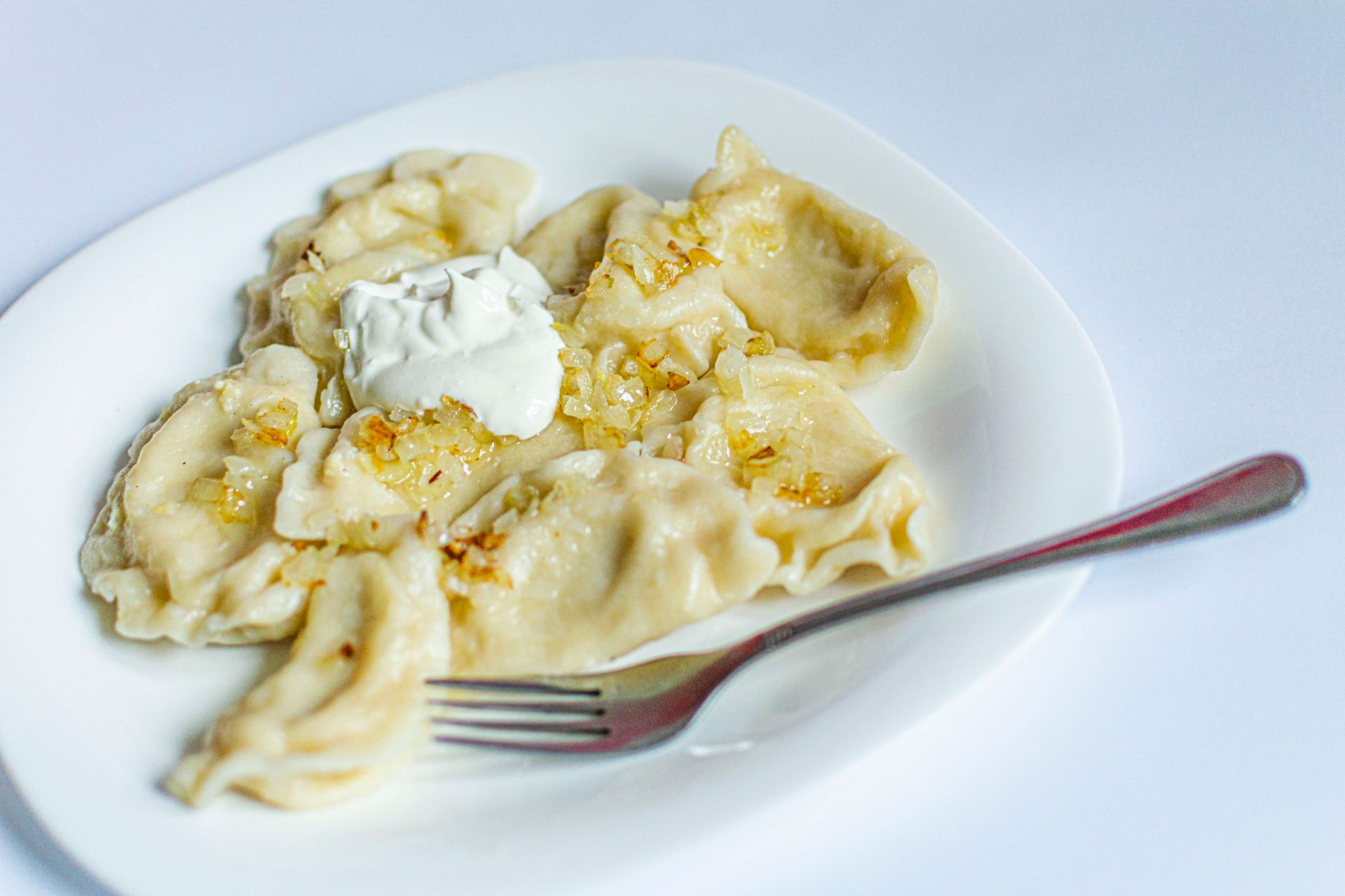
Poland is renowned for its rich culinary heritage, reflecting centuries of history and various cultural influences. The country’s flavors are characterized by hearty ingredients, comforting textures, and the art of traditional cooking methods. From iconic dishes to unique ingredients, let’s explore what Poland is famous for and how you can embrace its deliciousness in your kitchen.
This guide will cover the essentials of Polish cuisine, including its famous dishes, key ingredients, cooking techniques, and how to incorporate these flavors into your own cooking. Whether you are familiar with Polish food or new to it, you’ll find practical tips and delightful insights for your culinary adventures.
What Is Poland Famous For?
Poland is famous for a variety of traditional dishes, unique ingredients, and culinary techniques. The country is particularly known for its pierogi (dumplings), bigos (hunter’s stew), and a range of hearty soups. Additionally, Poland’s extensive use of potatoes, cabbage, and natural fermented foods distinguishes its cuisine.
Famous Polish Dishes
Pierogi
Pierogi are perhaps the most recognized Polish dish. These dumplings are typically filled with ingredients like potato, cheese, sauerkraut, meat, or fruit. The dough is soft and tender, offering a delightful bite.
- Taste: Pierogi have a mild flavor that can be savory or sweet, depending on the filling.
- Texture: The outer layer is soft and slightly chewy, while the filling can vary from creamy to chunky.
Bigos
Bigos, often referred to as “hunter’s stew,” is another iconic dish that showcases Poland’s love for hearty meals. It is a mix of sauerkraut, fresh cabbage, various meats, and spices, simmered for an extended period to develop deep flavors.
- Taste: Savory and tangy, with a rich umami flavor from the meats.
- Texture: A combination of tender cabbage, juicy meat, and robust seasoning.
Zurek
This fermented rye soup is a traditional Polish dish, renowned for its unique tangy flavor. It is often served with sausage, hard-boiled eggs, and a sprinkle of fresh herbs.
- Taste: Sour and hearty, making it a comforting dish especially in colder months.
- Texture: Creamy and thick, with pieces of sausage and egg adding dimension.
Gołąbki
Gołąbki, or stuffed cabbage rolls, are a popular Polish comfort food. Cabbage leaves are filled with a mixture of meat and rice, then simmered in a flavorful tomato sauce.
- Taste: The dish is savory, with a slightly sweet and tangy sauce complementing the filling.
- Texture: Tender cabbage wrapping with hearty filling, creating a satisfying bite.
Unique Ingredients in Polish Cuisine
Potatoes
The humble potato is a staple in Polish cooking and is utilized in numerous dishes, such as potato pancakes (placki ziemniaczane) and as a side in various meals. Their ability to absorb flavors makes them incredibly versatile.
- Uses: Mashed, fried, baked, or boiled, potatoes play a central role in many traditional recipes.
- Tips: When selecting potatoes, look for firm ones without blemishes for the best texture and taste.
Cabbage
Cabbage appears in many forms in Polish dishes, whether fermented in the form of sauerkraut or used fresh in meals like bigos and gołąbki. Its crunchy texture brings balance to many hearty dishes.
- Uses: In salads, soups, or as wraps for fillings in various recipes.
- Selections: Look for vibrant green or purple cabbage heads that feel heavy for their size.
Poppy Seeds
Poppy seeds are often used in Polish baking, particularly for sweet dishes like babka and makowiec (poppy seed cake). They add a nutty flavor and unique crunch.
- Uses: Ground into fillings or sprinkled on top of baked goods.
- Storage: Keep in a cool, dark place to maintain freshness, as oils can turn rancid.
Traditional Cooking Techniques
Fermentation
Fermentation is a foundational practice in Polish food preparation. It enhances flavors and preserves ingredients, evident in items such as sauerkraut and fermented rye bread.
- Benefits: It adds depth of flavor and creates probiotic-rich foods that contribute to gut health.
- How to Ferment: Use clean containers and allow ingredients to ferment at room temperature until desired acidity is achieved.
Slow-Braising
Slow-braising is a common method for preparing meats, especially in stews like bigos. This technique allows flavors to meld beautifully and results in tender meat.
- Benefits: It enhances flavor complexity and makes meat succulent.
- How to Braise: Brown meat in fat, add liquid, cover tightly, and cook on low heat for several hours.
How to Incorporate Polish Flavors at Home
Cooking Methods
Polish cuisine often involves simple cooking methods, emphasizing freshness and quality ingredients. Here are some common techniques you can use:
- Boiling: Great for dumplings and hearty soups, boiling preserves the natural flavors of ingredients.
- Baking: Essential for preparing breads and pastries, this method creates delightful textures and aromas.
- Sautéing: Used to enhance flavors in dishes like stir-fried cabbage or potato pancakes.
Simple Recipes to Try
To get started with Polish cuisine, here are a couple of straightforward recipes that showcase beloved flavors:
Pierogi with Potato and Cheese Filling
This recipe yields about 4 servings and takes approximately 90 minutes in total time.
- Ingredients:
- 2 cups all-purpose flour
- 1 large egg
- 1/2 cup water
- 1 teaspoon salt
- 2 cups mashed potatoes
- 1 cup cottage cheese
- Salt and pepper to taste
- Butter and onions for sautéing (optional)
- In a bowl, combine flour and salt. Make a well in the center, adding the egg and gradually incorporating water until a dough forms.
- Knead the dough for about 10 minutes until smooth. Let it rest for 30 minutes.
- Mix mashed potatoes with cottage cheese, seasoning with salt and pepper to taste.
- Roll out the dough and cut into circles. Place a spoonful of filling in the center, fold over, and seal the edges.
- Boil in salted water until they float, about 3-4 minutes. Optionally, sauté in butter with onions until golden before serving.
Bigos (Hunter’s Stew)
This recipe serves about 6 people and takes a total of around 2-3 hours cooking time.
- Ingredients:
- 1 pound pork shoulder, cut into chunks
- 1 pound kielbasa, sliced
- 1 onion, chopped
- 4 cups sauerkraut
- 2 cups shredded cabbage
- 1 cup mushrooms (fresh or dried)
- 1 cup diced tomatoes (canned or fresh)
- 2 bay leaves
- 1 teaspoon thyme
- Salt and pepper to taste
- 2 tablespoons vegetable oil
- In a large pot, heat oil over medium heat. Brown the pork and onion until the meat is browned and onions are translucent.
- Add kielbasa, sauté for a few additional minutes. Then, add sauerkraut, cabbage, mushrooms, tomatoes, bay leaves, thyme, salt, and pepper.
- Stir well, cover and simmer for at least 2 hours on low heat, stirring occasionally. Adjust seasoning as needed.
Where to Find Polish Food Ingredients
Finding authentic ingredients is key to crafting traditional Polish dishes. Here are some tips:
- Local Polish Markets: Look for specialty grocery stores or markets that focus on Eastern European foods.
- Online Retailers: Many online options specialize in Polish ingredients, from specialty meats to imported pickles.
- Farmers’ Markets: Local markets may offer fresh produce and artisanal products that embody Polish cooking styles.
Storage and Preservation Tips
When cooking with fresh ingredients or prepared dishes, knowing how to store them properly is essential for maintaining quality:
- Cabbage: Store in a cool, dark place; whole heads can last weeks in refrigeration.
- Pierogi: Freeze uncooked pierogi on a baking sheet before transferring to bags, where they can store for up to three months.
- Bigos: This stew improves with time, making it perfect for batch cooking. Store in the refrigerator for up to 4 days or freeze for longer preservation.
Conclusion
Polish cuisine offers a treasure trove of flavors and culinary traditions that many can appreciate and enjoy. By preparing these traditional dishes in your kitchen, you not only get to savor the deliciousness of Polish food, but you also connect with its rich history and cultural significance.
Explore the world of Polish cooking further by discovering more recipes and cooking tips. Dive into dishes like sauerkraut soup or learn about essential Polish baking techniques. Happy cooking!