
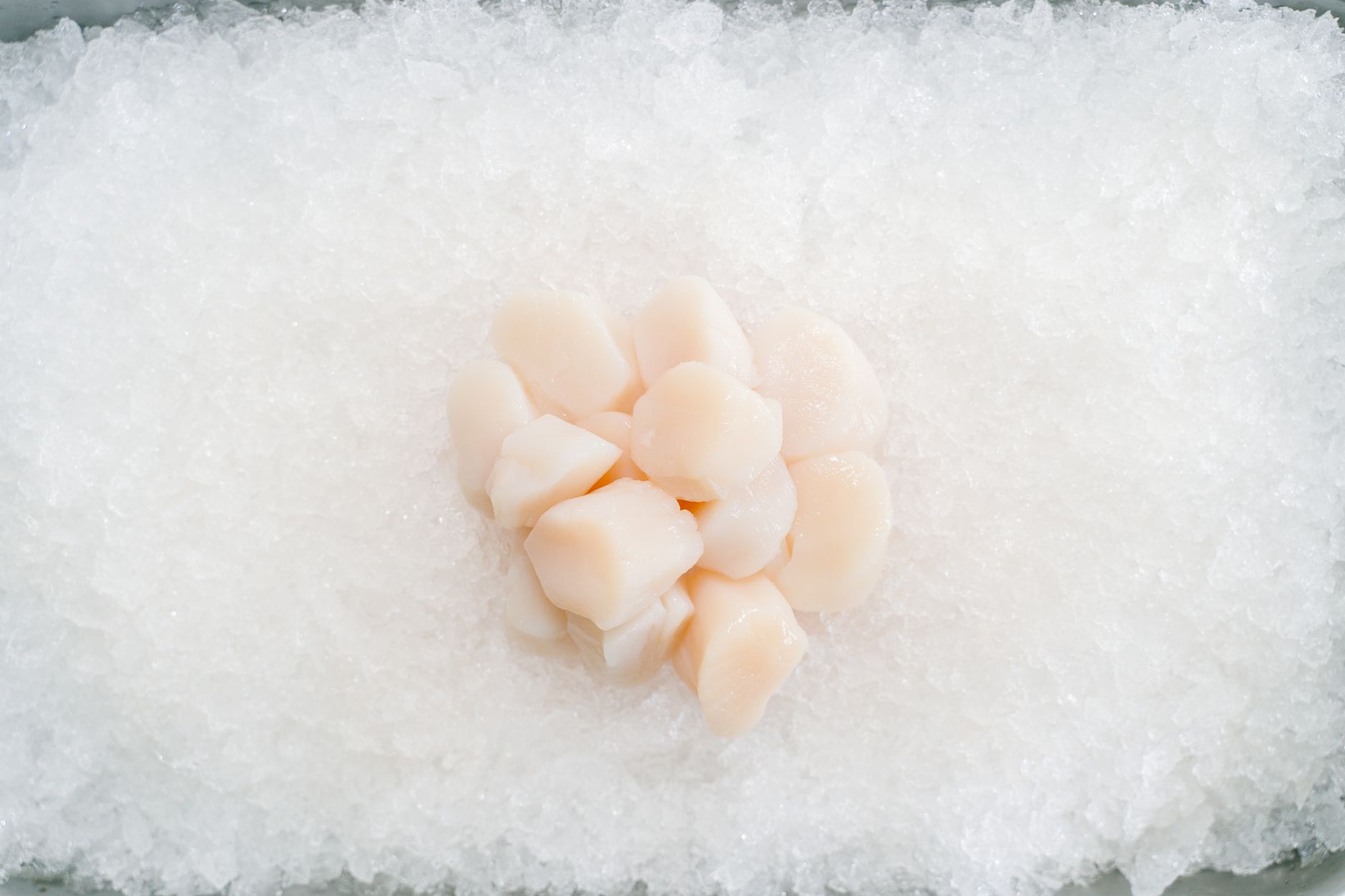
Scallops are a culinary delight, prized for their sweet, delicate flavor and tender texture. Understanding how many scallops are in a pound can be important for meal planning, purchasing, and recipe creation. This guide will provide insights into scallop weights, types, cooking methods, and tips for ensuring a successful dish each time.
This article will delve into the specifics of scallops, including the conversion rates, cooking techniques, and common uses. Whether you’re preparing for a dinner party or a casual weeknight meal, knowing how many scallops to buy is essential to ensure you have the right amount for your needs.
How Many Scallops in a Pound?
A typical pound of large sea scallops usually contains about 10 to 20 scallops, depending on their size. The scallop’s size classification can vary between “U10” (under 10 scallops per pound) to “U20” (under 20 scallops per pound). Bay scallops, which are smaller and sweeter, often average around 30 to 50 scallops per pound. Understanding these classifications can help you select the right quantity for your dishes.
Types of Scallops
Scallops are generally classified into two main types: sea scallops and bay scallops. Each type has its unique characteristics and culinary applications.
Sea Scallops
Sea scallops are larger and have a firmer texture, making them popular for grilling, searing, and baking. They are generally harvested from colder waters, such as the North Atlantic, and their range in size affects how many you’ll find per pound:
- U10: Less than 10 scallops per pound
- U12: 10-12 scallops per pound
- U15: 12-15 scallops per pound
- U20: 15-20 scallops per pound
Bay Scallops
Bay scallops are smaller and are typically harvested in more sheltered waters, like bays and estuaries. Their tender, sweet flavor makes them ideal for various dishes, particularly in salads and pasta. Bay scallops usually come in larger quantities:
- 30-50 scallops per pound
Buying Scallops: What to Look For
When purchasing scallops, freshness is key. Here are some tips on selecting quality scallops:
- Appearance: Scallops should be creamy white or slightly pink. They should not be dull or discolored.
- Smell: Fresh scallops should have a clean, oceanic aroma. Any strong fishy smell is a sign of spoilage.
- Texture: Scallops should feel firm to the touch and not slippery or slimy.
How to Measure Scallops
If you’re working with scallops that have already been purchased, you may want to measure them to ensure you have the right amount for your recipe. You can use the following methods:
Weighing Scallops
The most straightforward method for measuring scallops is to use a kitchen scale. Place your scallops in a bowl and weigh them until you reach the desired quantity in pounds. This method is precise and allows you to account for the exact scallop size.
Counting Scallops
If you need to estimate the number of scallops based on a recipe rather than a weight, simply count them based on their size classification. For example, if a recipe calls for a pound of U12 sea scallops, expect to use 10-12 scallops.
Cooking Techniques for Scallops
Scallops are versatile and can be prepared using a variety of cooking methods. Here are some popular techniques:
Searing
Searing scallops is a popular method that yields a beautiful caramelized crust while keeping the inside tender. To sear scallops:
- Pat the scallops dry with paper towels to remove excess moisture.
- Season with salt and pepper.
- Heat a skillet over high heat and add oil.
- Once the oil is hot, gently place the scallops in the skillet.
- Sear for 2-3 minutes on each side until golden brown, and then remove.
Baking
Baking scallops is another delightful method that allows for easy preparation:
- Preheat the oven to 425°F (220°C).
- Place scallops on a baking dish and drizzle with olive oil or butter.
- Add seasonings or toppings, such as breadcrumbs or herbs.
- Bake for 10-15 minutes until they are opaque and firm.
Grilling
Grilling adds a smoky flavor to scallops. Here’s how to prepare grilled scallops:
- Preheat the grill to medium-high heat.
- Skewer scallops on soaked wooden skewers or use a grill basket.
- Brush with olive oil and season with salt and pepper.
- Grill for about 2-3 minutes per side until they are opaque.
Common Mistakes When Cooking Scallops
Ensuring perfectly cooked scallops can be tricky. Here are some common mistakes to avoid:
- Overcooking: Scallops cook quickly. Overcooking can lead to rubbery texture. Aim for a translucent center.
- Microwaving: Avoid microwave cooking as it can lead to uneven cooking and texture loss.
Serving Suggestions
Scallops can shine as the main dish or pair beautifully with various accompaniments:
- With Pasta: Toss seared scallops with linguine and a garlic cream sauce for a sumptuous dish.
- In Salads: Add scallops to mixed greens with citrus vinaigrette for a refreshing salad.
- As Appetizers: Serve skewered grilled scallops with a tangy dipping sauce.
Storage and Reheating Tips
Proper storage is essential for keeping scallops fresh:
- Store uncooked scallops in the coldest part of the refrigerator and cook them within 1-2 days.
- Cooked scallops can be stored in the refrigerator for up to 3 days.
To reheat cooked scallops, avoid microwaving. Instead, gently reheat in a skillet over low heat to maintain their texture.
Freezing Scallops
If you have leftover scallops that you can’t use right away, consider freezing them:
- Place the scallops in an airtight freezer bag, removing as much air as possible.
- Label with the date and freeze. Use within 3 months for best quality.
Scallop Recipes to Try
Once you understand how to buy, cook, and serve scallops, consider trying out some delicious recipes:
- Bay Scallops Recipe – a delightful way to enjoy bay scallops with simple ingredients.
- Shrimp Scampi Recipe without Wine – a perfect pairing with shrimp and scallops in a fragrant sauce.
Understanding how many scallops in a pound is just the beginning. With the right knowledge and techniques, you can create delicious dishes that highlight the unique flavors of scallops. As you explore and refine your culinary skills, celebrate the versatility of this exquisite seafood and enjoy sharing your creations with others.
For more cooking tips and delicious recipes, consider exploring our collection of helpful guides and ideas. Check out our bay scallops recipe or learn how to make shrimp scampi without wine!