
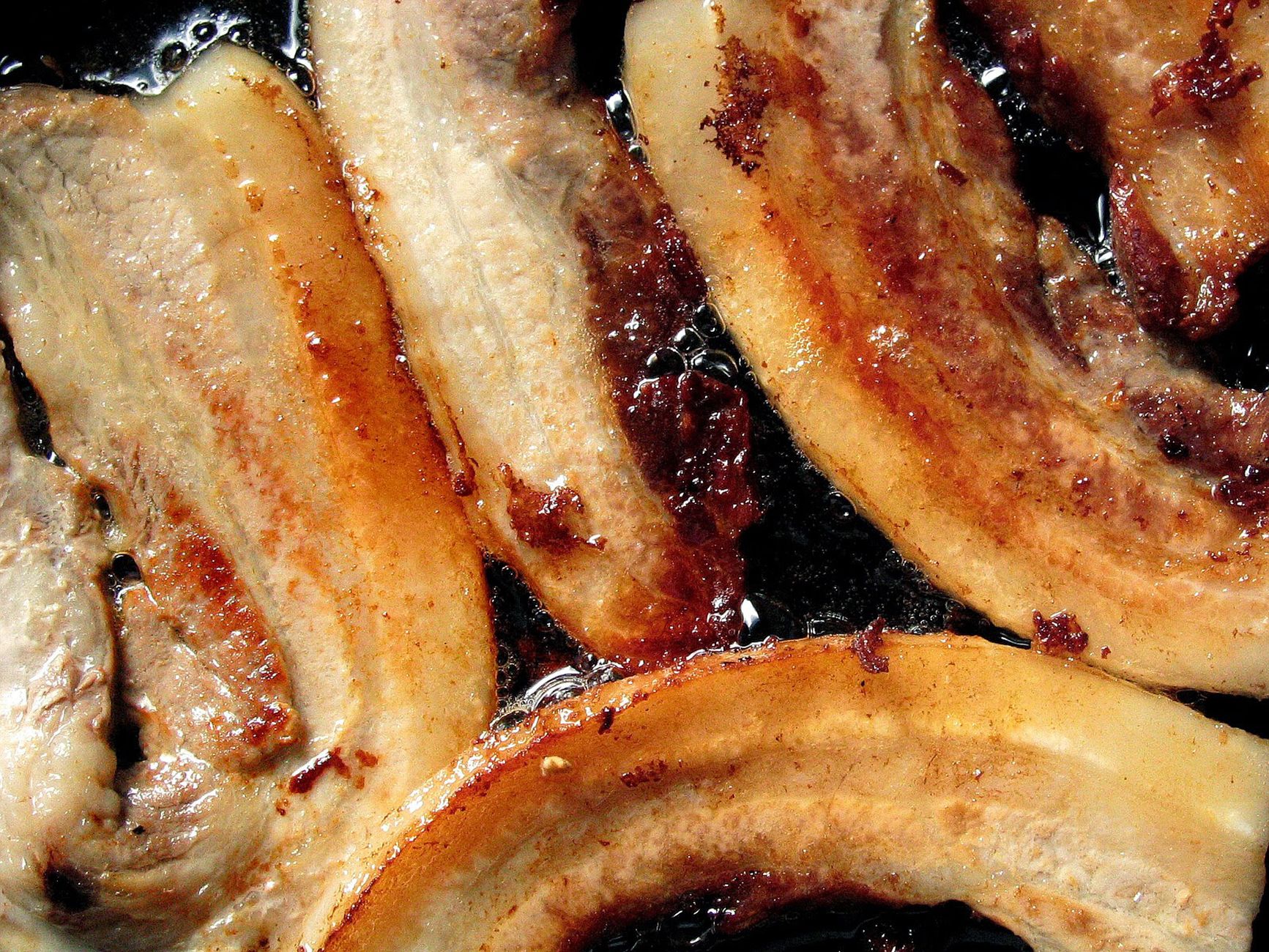
Cooking bacon is a beloved ritual for many breakfast enthusiasts. However, if you’ve contemplated cooking bacon in your air fryer, you might want to reconsider. Although this cooking method seems convenient, there are several reasons why it might not yield the crispy, flavorful bacon you expect. Below, we will delve into why your air fryer might not be the best tool for this beloved breakfast staple.
From the concerns over texture and flavor retention to safety issues, understanding the intricacies of cooking bacon in an air fryer can save you time and ensure you enjoy the perfect strip of bacon. This article aims to inform you about the potential downsides of cooking bacon in an air fryer and offer better alternatives to achieve your desired results.
Why You Should Never Cook Bacon in Your Air Fryer?
Cooking bacon in an air fryer can lead to a less-than-ideal flavor and texture, ultimately affecting the overall enjoyment of this dish. While air fryers are known for their ability to create crispy foods quickly, bacon requires specific heat and grease conditions that the air fryer may not provide efficiently.
The Chemistry of Bacon Cooking
To understand why the air fryer might not be suitable for bacon, it is essential to know what makes bacon bacon. Bacon is essentially cured pork belly, loaded with fat and protein. The combination is what provides the delectable flavors and satisfying textures we seek.
Cooking bacon involves melting the fat and rendering it out, which leads to its crispy texture. Traditional methods, such as frying in a skillet or baking in the oven, allow this process to happen gradually. By contrast, air fryers circulate hot air rapidly, which may not allow for the even rendering of fat.
Inconsistent Cooking Temperature
The air fryer may not reach a steady temperature conducive to achieving the perfect bacon crisp. Unlike traditional frying, where bacon slowly cooks and releases fat, the rapid air circulation may cause uneven cooking. Some areas might overcook before others even begin to render fat, leading to chewy, inedible pieces.
Texture Issues
Bacon cooked in an air fryer often produces a texture that lacks the delicious crispness achieved via other cooking methods. Instead of crispy edges with a slightly chewy center, bacon from an air fryer can end up dry and overly crunchy. This is primarily due to the loss of moisture as bacon cooks within the enclosed air fryer.
Safety Concerns
Another concern with cooking bacon in an air fryer is the risk of flare-ups due to the excess fat rendered during cooking. Traditional frying allows the fat to be safely absorbed by the cookware or drained away, but excess grease can pool at the bottom of the air fryer basket.
If the temperature gets too high, this grease can start to smoke and potentially ignite. Therefore, cooking bacon can pose a risk of fire if the air fryer is not monitored carefully. Additionally, air fryers can scatter small bits of bacon or grease throughout, leading to sticky residue that is hard to clean.
Flavor and Aroma Limitations
The distinct smoky flavor that many bacon lovers cherish comes from the Maillard reaction, which occurs when proteins and sugars combine under high heat. Cooking bacon in a skillet or oven allows flavor to deepen as the bacon renders and browns.
Air fryers lack the ability to achieve the same level of caramelization as traditional cooking methods. The result is often a less flavorful piece of bacon that doesn’t have the robust aroma you associate with freshly cooked bacon.
Cleaning Issues
Although air fryers are often hailed for their easy cleaning, cooking bacon in them can be a bit of a mess. Bacon releases fats and oils that can coat non-stick surfaces, leading to significant buildup that may necessitate more than just a quick wipe down.
The components of the air fryer, especially the basket and drip tray, can become caked with hardened grease, which could require soaking or scrubbing to remove completely. This extra cleaning effort may be enough to deter anyone from cooking bacon in an air fryer again.
Comparative Cooking Methods
Understanding alternative cooking methods can make your breakfast experience much better. Here are some of the most common and effective methods to cook bacon, each with its unique advantages.
Stovetop Cooking
Cooking bacon on the stovetop in a skillet is one of the most traditional ways to prepare it. This method allows for close monitoring and control over the heat, enabling even cooking and rendering of fat.
- Place bacon strips in a cold skillet, ensuring they do not overlap.
- Turn the heat to medium and allow the bacon to slowly cook, flipping occasionally for even browning.
- Remove once crispy and drain on paper towels to absorb excess grease.
This stovetop method guarantees that you achieve crispy edges and maintain the delicious flavors and aromas while keeping the cooking process simple and effective.
Oven Baking
Baking bacon in the oven enables you to cook larger quantities at once, making it ideal for meal prep or feeding a group. The even heat of the oven ensures that every strip of bacon crisps beautifully.
- Preheat the oven to 400°F (200°C).
- Line a baking sheet with aluminum foil for easy cleanup and place a wire rack on top.
- Arrange the bacon strips in a single layer on the wire rack.
- Bake for 15-20 minutes until the bacon is crispy.
- Remove from the oven and drain on paper towels.
The oven method not only yields excellent results but also requires little in the way of hands-on attention, making it an ideal choice for busy mornings.
Microwave Cooking
If you’re in a hurry, cooking bacon in the microwave can be surprisingly effective. While it may not achieve the same crispy outcome as the stovetop or oven, it allows for quick preparation.
- Place bacon strips between layers of paper towels on a microwave-safe plate.
- Cook in the microwave on high for 4-6 minutes, checking for desired crispiness.
- Let it cool briefly and drain excess grease before consuming.
This method is especially great for those who want to minimize pans and cleanup, though the texture may not be up to par with traditional methods.
Flavor Variations and Enhancements
Regardless of the cooking method you choose, there are numerous ways to enhance your bacon experience with different flavors and seasonings. Here are some popular variations that elevate your bacon game.
Sweet and Spicy Bacon
To create a delightful contrast with bacon’s salty flavor, try adding a sweet and spicy glaze. This can be achieved by brushing maple syrup or honey mixed with cayenne pepper onto your bacon before cooking. Bake or fry as normal for a delicious flavor profile.
Herb-Infused Bacon
Another delicious variation involves incorporating herbs. A simple blend of black pepper and fresh rosemary or thyme sprinkled over your bacon prior to cooking introduces aromatic and savory notes that complement the bacon beautifully.
Cheddar-Stuffed Bacon
If you’re feeling adventurous, consider stuffing your bacon with cheese. By wrapping a piece of bacon around cheddar cheese, you can create a melty inside, providing a wonderful surprise with every bite. This can be done by securing the edges with toothpicks and adjusting your cooking time as necessary.
Common Mistakes to Avoid
When cooking bacon, certain pitfalls can lead to unsatisfactory results. Here are some common mistakes to steer clear of.
- Overcrowding the Pan: Whether using a skillet or the oven, ensure bacon strips are not overlapping so that they cook evenly and achieve proper crispness.
- Cooking at Too High a Temperature: While it may seem like cooking bacon on high heat will save time, this can cause the bacon to cook unevenly and potentially burn the edges.
- Using Low-Quality Bacon: The quality of bacon affects its flavor significantly. Opt for high-quality cuts that are free of fillers for the best results.
Proper Storage and Reheating
Once you’ve successfully cooked your bacon, proper storage and reheating is essential for maintaining flavor and safety. Bacon can be stored in an airtight container in the refrigerator for up to a week. For longer storage, consider freezing it. Lay slices flat in a freezer-safe bag or container, which allows for easy separation when you need to defrost some later.
When reheating, avoid using an air fryer again. Instead, opt for a skillet or the microwave for the best results. If using a microwave, place the bacon between paper towels and heat in short intervals until warm.
Conclusion
In summary, while air fryers are convenient for many foods, cooking bacon in them might not yield the results you desire. The inconsistent cooking temperature, potential safety hazards, and undesirable textures make traditional methods much more effective. Instead, rely on the stovetop, oven, or microwave to achieve that perfect strip of crispy bacon. It’s worth the little extra time it takes to ensure that your bacon is as delicious as it should be.
For more information on cooking techniques and options, check out our guides on how to cook bacon in the microwave or explore our delicious candied bacon recipe for sweet and savory twists on this breakfast classic.