
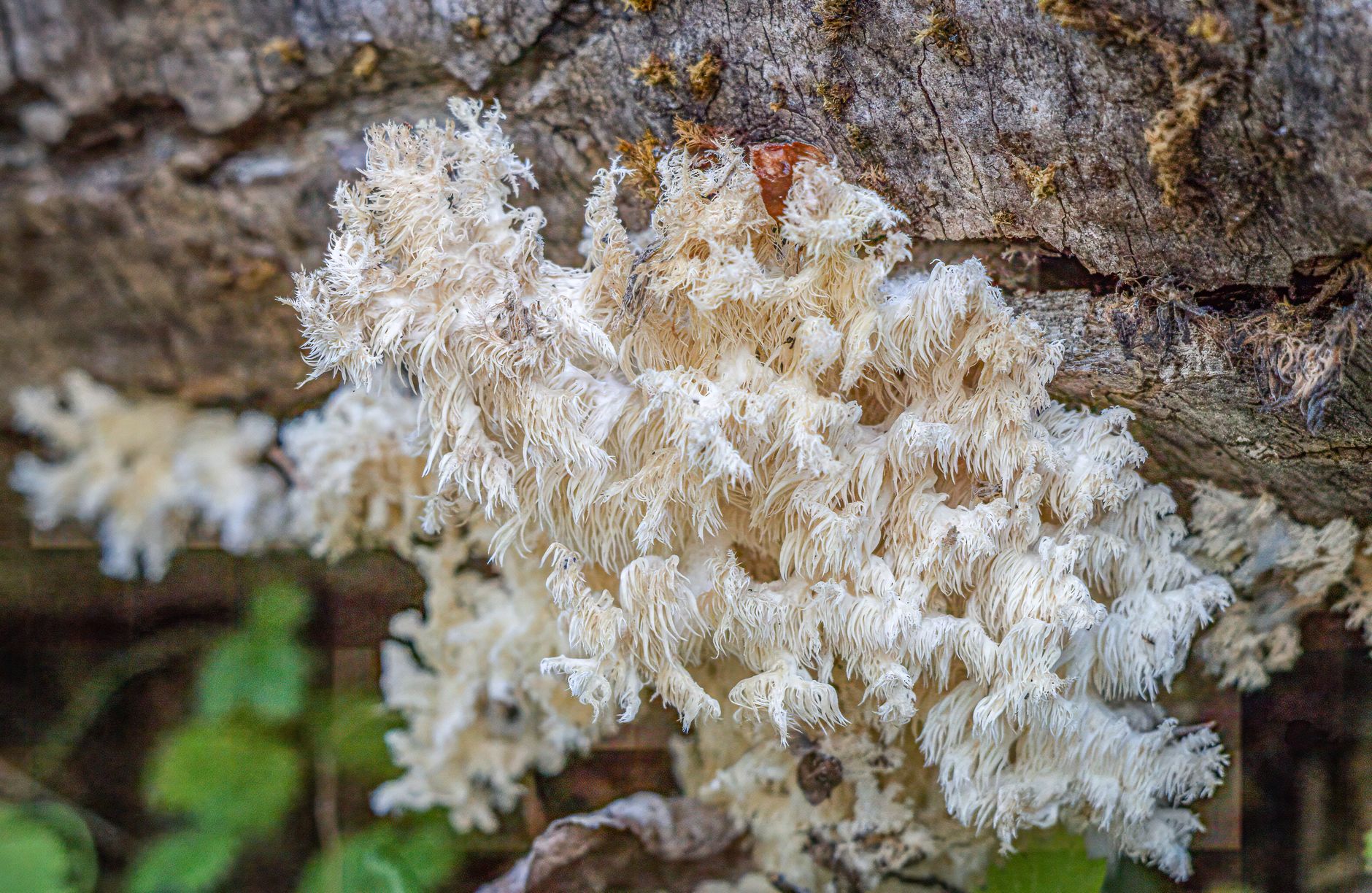
Lion’s mane mushroom has gained popularity in recent years, not only for its unique flavor and texture but also for potential health benefits. If you’re considering incorporating it into your meals, you may wonder just how much lion’s mane is too much. This guide will break down the optimal serving sizes, safety considerations, and culinary uses of this fascinating fungi.
From sautéing it in a stir-fry to adding it to soups, lion’s mane mushroom can enhance many dishes. However, understanding portion control and the effects of overconsumption is crucial for making the most of this ingredient. Let’s dive in!
How Much Lion’s Mane Is Too Much?
The general recommendation for lion’s mane mushroom consumption is about 1 to 3 grams per day, especially when taking it in extract form. When used in cooking, 1 cup of fresh lion’s mane mushroom is considered a standard serving. While lion’s mane is largely safe, excessive consumption may lead to digestive discomfort or other side effects.
Understanding Lion’s Mane Mushroom
Lion’s mane mushroom, also known as Hericium erinaceus, is a large, white, shaggy fungus renowned for its appearance and culinary uses. Its flavor profile is often described as reminiscent of seafood, specifically crab or lobster, making it a delightful addition to various dishes.
Flavor and Culinary Uses
The rich, slightly sweet flavor and unique texture of lion’s mane make it versatile. It can be used in:
- Stir-fries
- Soups
- Grilled dishes
- Salads
- Vegan or vegetarian alternatives to meat
Potential Health Benefits
While you should not depend solely on lion’s mane for health improvements, it has been linked to potential benefits such as:
- Enhanced cognitive function
- Anti-inflammatory properties
- Support for digestive health
- Potential mood-regulating effects
However, more research is needed to confirm these benefits definitively.
Recommended Serving Sizes
When considering how much lion’s mane to consume, the form it takes—fresh, dried, or in extracts—affects the serving size. Below are the recommended portions for different forms:
Fresh Lion’s Mane Mushroom
The recommended serving for fresh lion’s mane is generally around:
- 1 cup (about 75-90 grams) per serving
This amount can be enjoyed without significant risk of adverse effects for most individuals.
Dried Lion’s Mane Mushroom
Dried lion’s mane is more concentrated, with a recommended serving size of:
- 1 tablespoon (about 5-10 grams) per serving
Lion’s Mane Extracts and Supplements
For extracts, dosages can vary based on concentration, but a standard intake is:
- 1 to 3 grams per day
Always check product labels as the potency of extracts can differ greatly.
Cooking with Lion’s Mane Mushroom
With its culinary versatility, lion’s mane can be prepared in various ways. Here’s how to cook with it effectively:
Choosing Quality Lion’s Mane
When purchasing lion’s mane, look for:
- Firm, fresh mushrooms without dark spots or slime
- A pleasant, clean aroma
Preparation Techniques
Here are a few popular methods to prepare lion’s mane:
Sautéing
- Clean the mushrooms by using a damp cloth to wipe off any dirt.
- Slice into thick pieces, about ½-inch thick.
- Heat a pan over medium heat with olive oil or butter.
- Add the slices and sprinkle with salt; cook until golden brown on both sides, about 5-7 minutes.
Grilling
- Cut the mushrooms into large pieces or leave them whole.
- Brush with olive oil and a sprinkle of salt and pepper.
- Grill on medium heat for about 5 minutes per side.
Adding to Soups or Stews
- Chop lion’s mane into bite-sized pieces and add them to your soup or stew during the last 10-15 minutes of cooking.
Understanding Overconsumption
While lion’s mane is considered safe for most people, consuming too much can lead to discomfort. Here are some potential effects:
- Digestive issues such as bloating or diarrhea
- Allergic reactions in rare cases
If you experience any unusual symptoms, consider reducing your intake or consulting with a healthcare professional.
Practical Tips for Enjoying Lion’s Mane
To maximize your culinary experience with lion’s mane, consider the following tips:
Storing Lion’s Mane
- Fresh lion’s mane can be stored in the refrigerator in a paper bag for about a week. Avoid plastic bags to prevent moisture accumulation.
- Dried lion’s mane should be stored in an airtight container in a cool, dark place to maintain its flavor and potency.
Pairing with Other Ingredients
Lion’s mane pairs well with:
- Garlic and onions for enhanced flavor
- Heavy creams or nut milks for rich sauces
- Citrus zest to add brightness
Common Mistakes When Cooking with Lion’s Mane
Cooking with lion’s mane can be straightforward, but avoid these mistakes:
- Not cleaning the mushrooms properly, which can lead to a gritty texture.
- Overcooking the mushrooms, which may render them tough and chewy.
Exploring Lion’s Mane in Your Diet
Incorporating lion’s mane into your cooking is not only enjoyable but can also add variety to your meals. Here’s how to adapt your menu:
Meal Planning with Lion’s Mane
Consider creating a weekly meal plan that includes lion’s mane in various dishes. For instance:
- Monday: Lion’s Mane Stir-Fry with Vegetables
- Wednesday: Creamy Lion’s Mane Soup
- Friday: Grilled Lion’s Mane Tacos
Batch Cooking with Lion’s Mane
To save time, batch cook lion’s mane mushrooms by sautéing a large amount and refrigerating or freezing them. Add them to meals as needed.
Conclusion: Moderation is Key
In conclusion, enjoying lion’s mane mushroom can be rewarding and flavorful. While the suggested serving sizes range from 1 cup of fresh mushrooms, being mindful about your portion control is essential to avoid potential discomfort. Aim for 1 to 3 grams daily for extracts, and utilize it as part of a balanced diet.
For additional culinary inspiration, explore how to create delicious chia pudding with coconut milk or learn the right way to soak chia seeds for optimal texture.