
The moment you smell butter and garlic hitting a hot pan, you know something magical is about to happen in your kitchen. Bay scallops are one of those proteins that feel fancy enough for a date night yet quick enough for a weeknight dinner.
These tender, sweet morsels cook in minutes and deliver restaurant-quality results without the restaurant bill or the stress. Whether you’re searing them golden or poaching them gently, bay scallops reward good technique with incredible flavor and silky texture.
Why You’ll Love This Recipe
This recipe strikes the perfect balance between simple and impressive. You get restaurant-quality results in under 20 minutes, which means no elaborate prep work or complicated techniques required.
- Ready in 15 minutes from start to finish
- Requires just 7 simple ingredients for maximum flavor
- Perfect for date nights, dinner parties, or solo treats
- Works beautifully over pasta, rice, or on its own
- Naturally gluten-free and packed with lean protein
My Experience Making This Recipe
I first made this for a dinner party when I was nervous about impressing my partner’s boss. The scallops emerged from the pan with a golden crust and creamy sauce, and everyone asked for the recipe before dessert arrived.
What surprised me most was how forgiving the recipe became once I understood the one critical rule: don’t overcook the scallops. That realization transformed me from someone who always ordered scallops at restaurants to someone who confidently cooks them at home.
Now I make this at least twice a month, and it never gets old. The combination of butter, garlic, and fresh scallop sweetness creates something that feels indulgent but tastes clean and bright.
Recipe Overview
- Recipe Name: Pan-Seared Bay Scallops with Garlic Butter Sauce
- Servings: 2 main courses or 4 appetizers
- Prep Time: 5 minutes
- Cook Time: 8 minutes
- Total Time: 13 minutes
- Course: Main Course
- Cuisine: French-inspired
- Calories per Serving: 220
Equipment You Will Need
- Large stainless steel or cast iron skillet
- Paper towels
- Measuring spoons and cups
- Garlic mincer or knife
- Wooden spoon or silicone spatula
- Small bowl for seasoning
- Tongs or slotted spoon
Ingredients for Pan-Seared Bay Scallops with Garlic Butter Sauce
- 1 pound bay scallops, patted dry with paper towels
- 3 tablespoons unsalted butter, divided
- 4 cloves garlic, minced
- 1/4 cup dry white wine (or chicken broth if you prefer)
- 2 tablespoons fresh lemon juice
- 1/2 teaspoon sea salt
- 1/4 teaspoon black pepper
- 1 tablespoon fresh parsley, chopped (optional but recommended)
Ingredient Notes and Substitutions
- Bay scallops: These smaller scallops (about the size of a marble) cook quickly and stay tender. Sea scallops are larger and take longer to cook; use them if that’s all you can find, but reduce the heat to medium and add 2 to 3 minutes to the searing time.
- Unsalted butter: Butter carries the flavors of garlic and lemon brilliantly while creating a silky sauce. You can use half butter and half olive oil if you want a lighter version, though the sauce will be less rich.
- Dry white wine: The wine adds acidity and depth that brightens the dish. Substitute with chicken or vegetable broth if you avoid alcohol, and add an extra tablespoon of lemon juice.
- Fresh lemon juice: Fresh juice cuts through the richness of butter and complements scallop sweetness perfectly. Bottled juice works in a pinch, but fresh delivers noticeably better flavor.
- Fresh parsley: Adds color and a mild herbal note at the end. Chives or tarragon work well too, or skip it if you don’t have it.
How to Make Pan-Seared Bay Scallops with Garlic Butter Sauce
Remove your bay scallops from the package and place them on a plate lined with paper towels. Use additional paper towels to gently but thoroughly pat each scallop dry on all sides, pressing away any moisture or liquid.
Moisture is the enemy of a golden crust, so take your time here. Wet scallops steam instead of sear, which means you miss out on that restaurant-quality golden exterior that makes this dish special.
Step 1: Pat Your Scallops Completely Dry
In a small bowl, combine the sea salt and black pepper. Sprinkle this mixture evenly over both sides of all the scallops, using about half now and reserving the rest.
Simple seasoning keeps the focus on the scallop’s natural sweet, delicate flavor. Aggressive seasoning would overpower what makes these creatures so wonderful.
Step 2: Season the Scallops Simply
Place your large skillet over medium-high heat and let it sit for about 2 minutes, until it’s thoroughly hot. You should be able to hold your hand an inch above the surface and feel significant heat radiating upward.
A properly heated pan is crucial for achieving that golden crust in minimal time. A cool pan means the scallops will release moisture and steam rather than sear.
Step 3: Heat Your Skillet Hot
Add 1.5 tablespoons of butter to the hot skillet and let it foam for about 15 seconds. Working quickly, place the scallops in the pan in a single layer without crowding, leaving about half an inch between each one.
Let them cook undisturbed for 1.5 to 2 minutes on the first side, until they develop a beautiful golden crust. The scallops will release naturally from the pan when they’re ready; don’t force them or you’ll tear the crust.
Step 4: Add Butter and Sear the Scallops
Using tongs or a slotted spoon, gently flip each scallop and cook for another 1.5 minutes on the second side. This side will cook slightly faster since the pan is already hot and the scallops are already warm.
Watch carefully for doneness; the scallops should be opaque throughout and feel slightly firm when pressed gently. Overcooked scallops become rubbery and tough, so err on the side of slightly underdone if you’re unsure.
Step 5: Flip and Cook the Second Side
Using tongs or a slotted spoon, transfer the cooked scallops to a clean plate, being gentle so you don’t damage the crusts you just created. Set this plate aside while you make the sauce.
The residual heat will continue cooking them slightly, so removing them from the pan prevents overcooking. This resting period also lets the scallops relax and stay juicy.
Step 6: Transfer Scallops to a Plate
Reduce the heat to medium and add the remaining 1.5 tablespoons of butter to the same skillet. Once the butter melts and foams, immediately add the minced garlic and cook for about 30 seconds, stirring constantly.
You want the garlic to become fragrant but not brown, as burnt garlic tastes bitter and unpleasant. This quick cooking step infuses the butter with pure garlic flavor.
Step 7: Make the Garlic Butter Sauce
Carefully pour the dry white wine into the skillet, using a wooden spoon to scrape up any browned bits stuck to the bottom. These browned bits are liquid gold, packed with concentrated scallop and butter flavor.
Let the wine bubble gently for about 30 seconds to reduce slightly and cook off some of the raw alcohol taste. Then add the fresh lemon juice and stir to combine.
Step 8: Deglaze with Wine and Lemon
Return the cooked scallops to the skillet and gently toss them in the sauce for about 20 seconds, coating each one. Taste the sauce and add the reserved salt and pepper if needed.
Transfer the scallops and sauce to serving plates immediately, dividing evenly. Garnish with fresh chopped parsley if you have it, and serve right away while everything is hot.
Pro Tip: The most important secret to perfect bay scallops is keeping them completely dry before cooking and not touching them once they hit the hot pan, allowing them to develop that golden crust that makes this dish sing.
Tips for the Best Pan-Seared Bay Scallops with Garlic Butter Sauce
- Buy the freshest scallops you can find, ideally from a reputable seafood counter where you can see and smell them. Fresh scallops smell like the ocean, not fishy or ammonia-like, and cook with sweeter, cleaner flavor.
- Don’t skip the paper towel step, even though it seems tedious. Moisture ruins the sear and is the number one reason home cooks end up with rubbery scallops.
- Use a stainless steel or cast iron skillet rather than nonstick, as these surfaces develop better crust and handle high heat better. Nonstick pans can release chemicals when overheated and don’t create the same golden color.
- If your scallops are particularly large bay scallops (some are bigger than others), add an extra 30 seconds per side when searing. You want them just cooked through, not translucent in the center.
- Have all your ingredients measured and ready before you start cooking. This recipe moves fast, and scrambling for garlic or wine halfway through means overcooked scallops.
- Don’t skip the lemon juice, as it’s crucial for balancing the richness of the butter and making the sauce feel fresh. It also brings out the sweetness of the scallops.
Common Mistakes to Avoid
- Overcooking the scallops: Cooking them even 30 seconds too long transforms them from tender to tough and rubbery, which ruins the entire dish. Remove them from heat as soon as they’re opaque and slightly firm.
- Not patting scallops dry: Wet scallops steam rather than sear, preventing the development of that beautiful golden crust and silky texture you’re after.
- Overcrowding the pan: If you stack scallops on top of each other or pack them too closely, they’ll steam instead of sear and the temperature of the pan will drop.
- Using butter that’s too cool: Cold butter doesn’t sear properly and creates a pale, disappointing crust instead of that rich golden brown you want.
- Burning the garlic: Even 10 extra seconds of heat can turn garlic bitter and unpleasant. Add it just before the wine so it cooks gently.
Serving Suggestions
These scallops shine when paired with sides that complement their delicate sweetness without overwhelming it. The buttery, lemony sauce ties everything together beautifully.
- Serve over fresh pasta like linguine or angel hair, tossing the pasta in some of the sauce before topping with scallops
- Pair with creamy risotto, letting the scallops nestle into the rice and share their sauce
- Place atop roasted asparagus or sauteed spinach for a lighter, vegetable-forward plate
- Serve alongside crusty bread for soaking up every drop of that precious garlic butter sauce
- Top a bed of microgreens or arugula for a restaurant-style plating that looks elegant and tastes fresh
Variations to Try
- Mediterranean version: Add capers, sun-dried tomatoes, and fresh basil to the sauce instead of parsley, swapping white wine for a splash of vermouth for deeper herbaceous flavor.
- Spicy kick: Add 1/4 teaspoon red pepper flakes when cooking the garlic, or finish with a pinch of cayenne pepper for heat that complements the scallop sweetness.
- Caper and anchovy version: Stir in 1 tablespoon capers and 1/2 teaspoon anchovy paste to the sauce, creating a briny, umami-rich depth that elevates the dish.
- Herb-forward: Add fresh tarragon or dill instead of parsley, or use a combination of herbs for more complex, garden-fresh flavor that pairs beautifully with scallops.
- Creamy version: Stir in 2 tablespoons heavy cream or creme fraiche at the end for a richer sauce that’s almost silky, perfect if you want something more decadent.
Dietary Adaptations
- Gluten-free: This recipe is naturally gluten-free as written, but if serving with pasta, use gluten-free noodles with no loss of flavor or quality.
- Dairy-free: Substitute ghee or high-quality olive oil for the butter, though the sauce won’t be quite as rich and silky.
- Low-carb or keto: Serve the scallops over cauliflower rice or zucchini noodles instead of pasta, and skip the wine or substitute with extra broth.
- Paleo: This recipe works beautifully on paleo when served with roasted vegetables or cauliflower rice instead of traditional sides.
Storage and Reheating
Refrigerator
Store leftover scallops in an airtight container for up to 2 days. They’ll stay moist if you include some of the sauce with them.
- Keep scallops and sauce together in the same container
- Don’t store scallops without sauce, as they dry out quickly
Freezer
Bay scallops can be frozen for up to 3 months, though the texture becomes slightly less tender when thawed. Always freeze them in the sauce for best results.
- Use an airtight freezer container or freezer bag
- Label with the date so you remember how long they’ve been frozen
Reheating
Reheat gently over low heat in a skillet or in the oven at 275 degrees Fahrenheit for about 5 to 8 minutes. Never use high heat, as it will toughen the scallops further.
- If reheating on the stovetop, cover the skillet with a lid to trap steam and moisture
- Add a splash of water or broth if the sauce has thickened too much
- Scallops are best enjoyed fresh, so plan to cook them the day you want to eat them
Nutrition Information
| Nutrient | Amount |
|---|---|
| Calories | 220 |
| Total Fat | 12g |
| Saturated Fat | 7g |
| Carbohydrates | 2g |
| Fiber | 0g |
| Sugar | 0g |
| Protein | 24g |
| Sodium | 380mg |
| Cholesterol | 45mg |
These nutritional values are estimates based on 2 main-course servings. Values will vary based on exact ingredient sizes and any sauce left in the pan.
Frequently Asked Questions
Can I make this recipe with sea scallops instead of bay scallops?
Yes, you can, but they’ll cook differently since sea scallops are much larger. Reduce the heat to medium and cook each side for 2 to 3 minutes instead of 1.5 minutes, watching carefully for doneness.
Can I prepare the scallops ahead of time?
Pat your scallops dry and season them up to 4 hours in advance, keeping them refrigerated in a single layer on a plate. Cook them just before serving for the best crust and texture.
What do I do if my scallops stick to the pan?
This usually means the pan wasn’t hot enough when you started or the scallops weren’t completely dry. Trust that a properly seared scallop will release naturally; if it’s sticking after 2 minutes, let it sit a bit longer before trying to flip it.
Can I make this recipe without wine?
Absolutely, use chicken broth or vegetable broth instead, and add an extra tablespoon of lemon juice to maintain the bright acidity. The dish will taste slightly less complex but still delicious.
How do I know when the scallops are done cooking?
The scallops should be opaque all the way through and feel slightly firm when pressed gently with your finger. They should never be translucent or mushy, as this indicates overcooking.
What’s the best way to buy fresh scallops?
Visit a reputable seafood counter and ask them which scallops came in that day. Fresh scallops smell clean and oceanic, never fishy, and should be firm and dry.
Can I double this recipe for a dinner party?
Yes, you can double everything and work in two batches if your skillet isn’t large enough to hold all the scallops without crowding. Don’t try to cook all of them at once, as overcrowding prevents proper searing.
Final Thoughts
Pan-seared bay scallops transform from restaurant-exclusive ingredient to weeknight staple once you understand the basic technique. The simplicity of the preparation means your focus stays on executing each step with care, which is exactly how you achieve that fancy restaurant result at home.
Give this recipe a try the next time you want something special that takes less time than you’d spend waiting for a table at your favorite seafood spot. You might just find yourself making it twice a month, the way I do.
If you love this recipe, explore more seafood options on the site. You might enjoy our seafood boil sauce recipe for weekends when you want to cook a feast, or try our shrimp scampi recipe without wine for a quick protein option with a similar flavor profile.
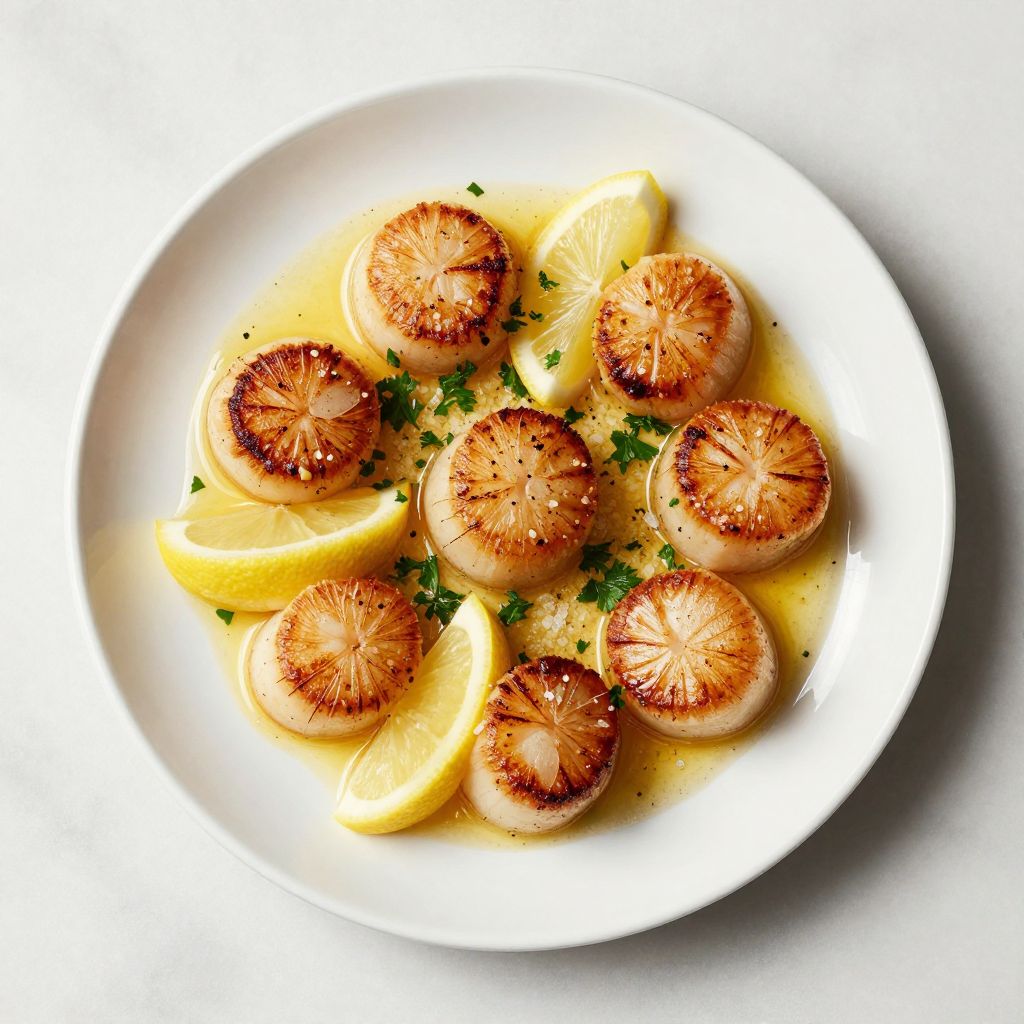
Pan-Seared Bay Scallops with Garlic Butter Sauce
Ingredients
Equipment
Method
- Remove the bay scallops from the package and pat completely dry with paper towels, pressing away any moisture.
- In a small bowl, combine the sea salt and black pepper and sprinkle evenly over both sides of the scallops.
- Heat a large skillet over medium-high heat for about 2 minutes until very hot.
- Add 1.5 tablespoons of butter to the skillet and let it foam for 15 seconds, then arrange the scallops in a single layer without crowding.
- Cook the scallops undisturbed for 1.5 to 2 minutes on the first side until a golden crust forms, then flip and cook for another 1.5 minutes.
- Transfer the scallops to a clean plate and set aside to rest.
- Reduce heat to medium and add the remaining 1.5 tablespoons butter; once melted, add the minced garlic and cook for 30 seconds, stirring constantly.
- Pour in the white wine and scrape up any browned bits, letting it bubble for 30 seconds, then stir in the lemon juice.
- Return scallops to the skillet and toss in the sauce for 20 seconds, then season to taste and garnish with chopped parsley before serving.