
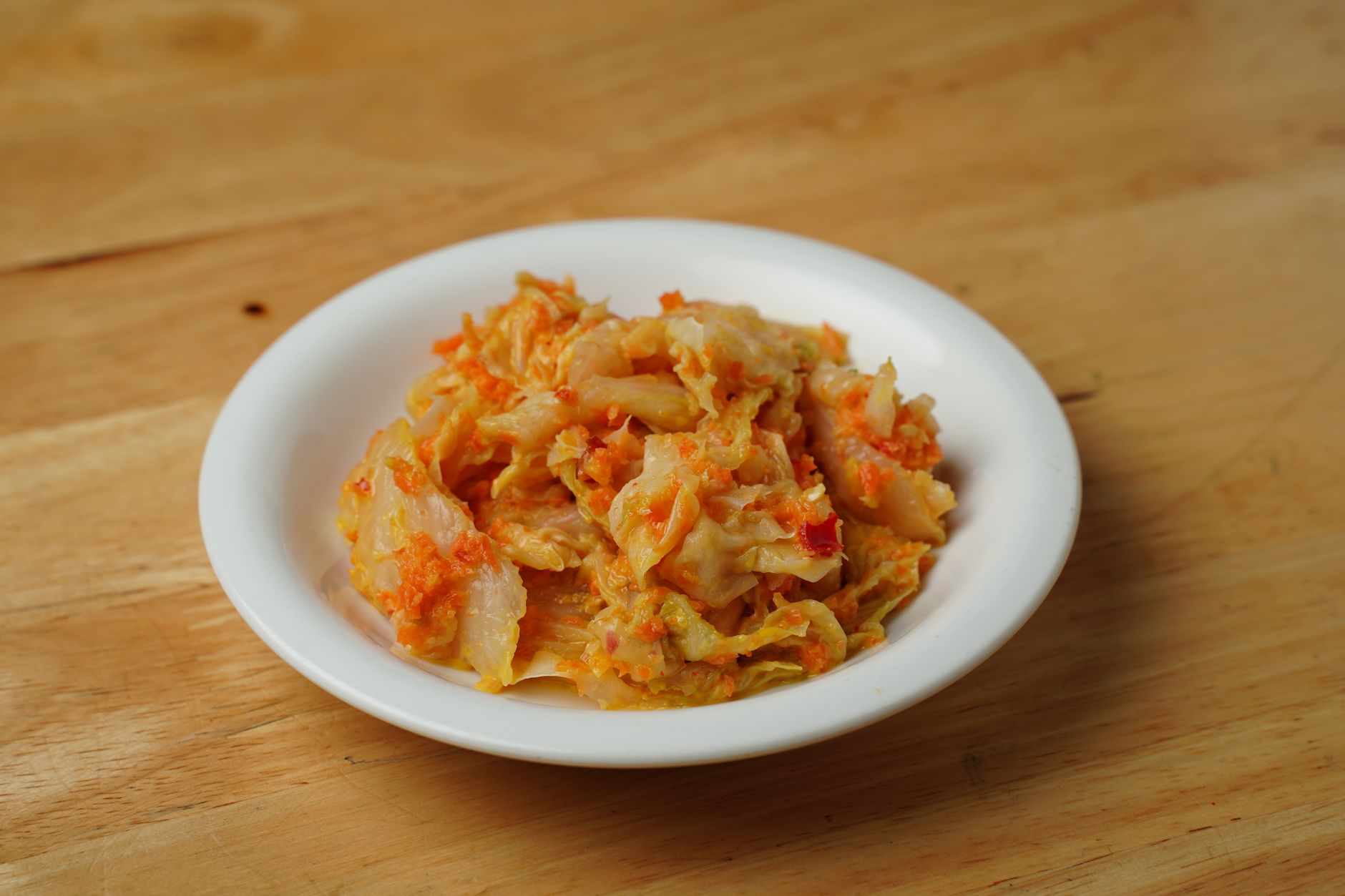
Napa, or napa cabbage, is a versatile vegetable widely used in Asian cuisine. Its unique texture and mild flavor offer a delightful crunch to salads, stir-fries, and stews. Understanding how to select, prepare, and utilize napa cabbage can elevate your cooking and expand your culinary repertoire.
In this article, we’ll explore what napa is, its taste profile, nutritional benefits, culinary uses, and some cooking techniques. Whether you’re a seasoned cook or just starting, you’ll find helpful tips on integrating this ingredient into your meals.
What Is Napa in Food?
Napa cabbage, also known as Chinese cabbage, is a leafy vegetable that belongs to the Brassica family. It features oblong, pale green leaves with prominent white ribs that are both tender and crunchy. Its flavor is subtly sweet, making it a flexible ingredient in various dishes.
Common in Asian cuisines, napa cabbage is especially popular in Chinese, Korean, and Japanese cooking. It can be enjoyed raw, steamed, sautéed, or fermented, showcasing its adaptability in different culinary applications.
Taste and Texture of Napa Cabbage
Napa cabbage has a mild, slightly sweet flavor with a hint of pepperiness. Its crisp texture provides a satisfying crunch that enhances dishes ranging from salads to hot pots. The leaves are tender, making them easy to chew and digest.
When cooked, napa cabbage becomes softer but retains some crunch, making it ideal for stir-frying, braising, or adding to soups. The balance of flavor and texture makes it an appealing choice for both raw and cooked dishes.
Nutritional Benefits of Napa Cabbage
Napa cabbage is not just tasty; it’s also packed with nutritional benefits. It is low in calories yet high in essential vitamins and minerals. Here are some of the key nutritional elements found in napa cabbage:
- Vitamin K: Vital for blood clotting and bone health.
- Vitamin C: An antioxidant that boosts the immune system and promotes skin health.
- Fiber: Aids in digestion and helps maintain healthy cholesterol levels.
- Folate: Important for DNA synthesis and crucial during pregnancy.
- Calcium: Essential for bone and teeth health.
Incorporating napa cabbage into your diet can contribute to overall health and well-being.
Culinary Uses of Napa Cabbage
Napa cabbage’s versatility allows it to be used in a variety of dishes. Here are some popular culinary applications:
Salads and Slaws
Shredded napa cabbage can be the base of vibrant salads or added to slaws for a fresh crunch. Its mild flavor pairs well with various dressings, from creamy to vinaigrette-based.
Stir-Frying
Napa cabbage is a favorite in stir-fried dishes due to its quick cooking time and ability to absorb flavors. It pairs well with meats, seafood, and tofu. To stir-fry napa cabbage:
- Heat oil in a wok or large pan over medium-high heat.
- Add garlic or ginger for aromatics, followed by any protein of choice.
- Once the protein is cooked, add chopped napa cabbage and stir-fry for 3-4 minutes until tender yet crunchy.
- Season with soy sauce or oyster sauce before serving.
Soups and Stews
Incorporate napa cabbage into soups and stews for added bulk and nutrition. It’s commonly found in miso soup, hot pots, or ramen. Simply add the chopped napa cabbage in the last few minutes of cooking to retain its crisp texture.
Fermentation
Napa cabbage is a key ingredient in kimchi, a traditional Korean fermented dish. The fermentation process enhances the flavor and introduces beneficial probiotics. To make basic kimchi:
- Cut napa cabbage into quarters and soak it in a saltwater brine for several hours.
- Rinse and mix with seasonings like chili powder, garlic, ginger, and fish sauce.
- Pack tightly into a jar and let it ferment at room temperature for 1-3 days. Store in the refrigerator afterward.
How to Select and Store Napa Cabbage
When selecting napa cabbage, look for heads that are firm with crisp, vibrant green leaves. Avoid any that display wilting or yellowing. Whole heads usually last longer than pre-cut or packaged napa cabbage.
To store napa cabbage, keep it in the vegetable drawer of your refrigerator, wrapped in a damp paper towel and placed inside a plastic bag. This method helps maintain moisture and crispness.
Cooking Techniques with Napa Cabbage
There are various cooking techniques that work wonderfully with napa cabbage. Here are some practical methods to consider:
Blanching
Blanching napa cabbage helps retain its bright color and tenderizes the leaves. Here’s how to do it:
- Bring a pot of salted water to a boil.
- Add napa cabbage leaves and blanch for 1-2 minutes.
- Remove and immediately plunge into ice water to stop cooking.
This technique is perfect for preparing vegetables for stir-fries or salads.
Steaming
Steaming is a gentle cooking method that preserves the nutrients in napa cabbage. To steam:
- Fill a pot with water and place a steaming basket over it.
- Add napa cabbage leaves and cover with a lid.
- Steam for 5-6 minutes until tender.
Sautéing
Sautéing napa cabbage brings out its sweetness and enhances its flavor. To sauté:
- Heat oil in a large skillet over medium heat.
- Add minced garlic and sauté for 30 seconds.
- Add chopped napa cabbage and cook for 5-7 minutes, stirring frequently.
- Season with salt and pepper to taste.
Practical Substitutions for Napa Cabbage
If you cannot find napa cabbage, several substitutions can work well in recipes:
- Savoy Cabbage: Similar texture and sweetness, making it an excellent alternative.
- Green Cabbage: Slightly denser with a stronger flavor, best when sautéing or in soups.
- Swiss Chard: A leafy green that offers a different texture but can add a similar nutritional profile.
Common Mistakes and Troubleshooting
While cooking with napa cabbage, beginners may encounter a few common pitfalls. Here are tips to avoid them:
- Overcooking: Ensure you don’t overcook napa cabbage, as it can become mushy. A few minutes is often enough.
- Not seasoning: Napa cabbage is mild and benefits from proper seasoning to enhance its flavor. Use salt, pepper, and sauces as required.
- Storing improperly: To maintain crispness, avoid wrapping napa cabbage too tightly and ensure it stays dry.
Serving Suggestions
To enjoy napa cabbage, consider the following serving recommendations:
- Top salads with sesame dressing or a light vinaigrette.
- Serve sautéed napa cabbage alongside rice or noodles as a side dish.
- Include as a topping in tacos or wraps for extra crunch.
Make-Ahead Guidance
If you’re planning meals ahead of time, napa cabbage can be a great component. Here are tips on how to incorporate it into your meal prep:
- Chop napa cabbage and store it in an airtight container for up to three days.
- Make kimchi or marinades ahead of time to allow flavors to develop.
- Prep stir-fry ingredients in advance, cutting down on cooking time during busy days.
Storage and Reheating Tips
To ensure napa cabbage remains fresh, store it properly as mentioned earlier. When reheating napa dishes, consider the following:
- Microwave: For quick reheating, place the napa dish in a microwave-safe container and heat in 30-second intervals.
- Stovetop: Reheat in a pan over low heat, adding a splash of water to retain moisture.
It’s important to note that cooked napa cabbage can be stored in the refrigerator for up to three days. Always reheat thoroughly before serving.
Utilizing napa cabbage in your dishes opens up a world of culinary possibilities. Its unique texture and flavor profile make it an excellent addition to countless recipes. Whether you’re making a fresh salad, a hearty soup, or trying your hand at kimchi, napa cabbage can enhance your meal experience.
As you explore the world of napa cabbage further, consider experimenting with your favorite recipes or trying out new dishes that highlight its crunchy texture and mild flavor. If you’re interested in a specific recipe, check out our napa cabbage recipe for a delicious starting point.
For more related recipes, cooking tips, or food guides, dive into our collection and elevate your culinary skills today!