
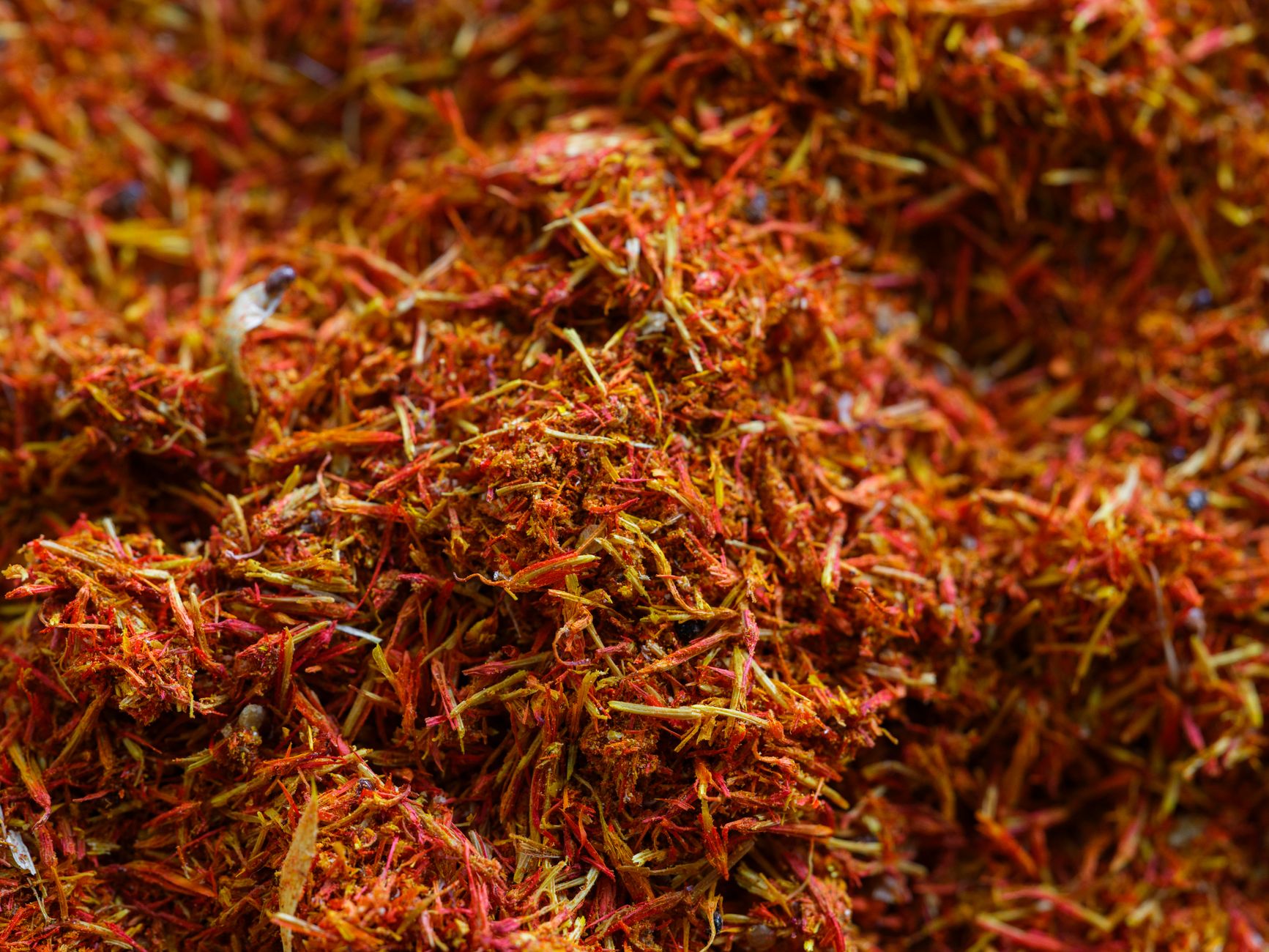
Saffron, often regarded as the most expensive spice in the world, is a treasured ingredient in many culinary traditions. With its vibrant color and distinctive flavor, it elevates dishes while also offering a range of potential health benefits. This article explores what saffron does for you, how to use it, and its culinary significance, making it easier for you to incorporate this exotic spice into your cooking.
From enhancing flavor profiles to providing antioxidant properties, understanding saffron’s functionality can unlock new cooking applications. Following this guide, you’ll learn not just about saffron’s benefits, but also practical ways to use it in various dishes, substituting it when necessary, and incorporating it seamlessly into your meal plans.
What Does Saffron Do For You?
Saffron provides a unique flavor and aroma while contributing to overall health. It contains several active compounds, including crocin and safranal, which may offer antioxidant, anti-inflammatory, and mood-enhancing properties. This multifaceted spice can enhance the taste of various dishes and may also help improve well-being when consumed in moderation.
The Culinary Significance of Saffron
Saffron has been utilized in cooking for thousands of years, revered not only for its taste but also for its impact on food appearance. The spice can transform a simple dish into something visually stunning with its brilliant golden hue.
- Flavor: Saffron has a complex flavor profile — slightly sweet, earthy, and floral, contributing a unique taste that enhances a variety of cuisines.
- Color: The vibrant yellow color adds visual appeal, making dishes standout.
- Aroma: Saffron’s aromatic qualities can invoke warmth and richness in culinary creations.
Health Benefits of Saffron
In addition to its culinary uses, saffron is believed to offer various health benefits. Though research is ongoing, some potential benefits include:
- Antioxidant Properties: Saffron is rich in antioxidants which may protect cells from oxidative stress.
- Mood Enhancement: Some studies suggest saffron may help alleviate symptoms of anxiety and depression.
- Anti-inflammatory Effects: It may reduce inflammation in the body, contributing to overall health.
- Eye Health: Certain compounds found in saffron might improve vision and reduce the risk of age-related macular degeneration.
How to Use Saffron in Cooking
Incorporating saffron into your dishes can elevate their taste and presentation. Here’s a practical overview of how to use saffron effectively in your cooking.
Preparing Saffron
Before adding saffron to your recipe, it needs to be prepared properly to extract its full flavor and color. Follow these steps:
- Crush the Threads: Use your fingers or a mortar and pestle to gently crush the saffron threads, releasing more of their flavor.
- Soak in Liquid: Place the crushed saffron in a small bowl and cover it with warm water, broth, or milk. Allow it to steep for at least 10 to 15 minutes before using. This process helps the saffron infuse its color and flavor into the liquid.
Incorporating Saffron into Dishes
Saffron can be added to a variety of dishes. Here are some common ways to use it:
- Rice Dishes: Add saffron-infused liquid to rice for dishes like paella, risotto, or biryani. It will lend an aromatic experience and vibrant color.
- Soups and Stews: Incorporate saffron into broths or sauces to enhance depth and flavor.
- Baked Goods: Saffron can be used in breads, cakes, and pastries for an elegant twist.
- Drinks: Infuse saffron into milk or warm beverages for unique flavors, such as saffron chai or lassi.
Using Saffron Appropriately
While saffron offers many benefits, using it correctly is crucial for optimal results. Here are some pointers:
Proper Quantities
Due to its potency, a little saffron goes a long way. Typical usage amounts range from:
- Pinch (about 10-15 threads) for flavor in a dish.
- 1/4 teaspoon steeped for larger batches or main dishes to achieve a pronounced saffron profile.
Storage Tips
To preserve saffron’s delicate flavor and aroma:
- Store in a cool, dark place in an airtight container.
- Avoid exposure to moisture and sunlight, which can degrade its quality.
Common Mistakes and Troubleshooting
When using saffron, there are some common pitfalls to avoid:
- Overuse: Using too much saffron can result in a bitter taste rather than enhancing the dish.
- Ignoring Infusion: Failing to soak saffron can lead to a lack of flavor and color in your dish. Always take the time to prepare it correctly.
- Low-Quality Saffron: Opt for quality saffron from reputable sources. Low-quality saffron may be diluted with other materials, affecting taste and health benefits.
Substitutions for Saffron
Due to its high cost, you may be looking for alternatives to saffron. While no substitute can perfectly mimic saffron’s unique flavor and color, several alternatives can work in a pinch:
- Tumeric: This spice can replicate saffron’s color but provides a different flavor profile. Use it in larger quantities since it is less potent.
- Calendula Petals: Sometimes called “poor man’s saffron,” these petals can mimic the color and offer a mild, slightly peppery flavor.
- Annatto: A spice that provides a similar orange-yellow color, it has a slightly sweet and nutty flavor. Use it sparingly to achieve color without overpowering other flavors.
Recap of Saffron’s Benefits and Uses
Saffron is a valuable ingredient that harmonizes flavor and color in various dishes. Its potential health benefits, from antioxidants to emotional well-being, make it an intriguing addition to any kitchen. When you learn how to use saffron properly, it can elevate your culinary experience significantly.
As you experiment with saffron, keep in mind the importance of quality, preparation, and appropriate usage. Always aim for balance in flavor to ensure the best outcome for your dishes.
Conclusion
With its robust culinary significance and possible health benefits, saffron is certainly a spice worth adding to your culinary toolkit. By understanding its uses, healthy properties, and how to incorporate it into various dishes, you can enhance your cooking repertoire. Don’t hesitate to explore saffron in your next meal!
For more insights on flavor profiles and benefits of ingredients, check out our detailed articles on what saffron tastes like and the benefits of chia seeds.