
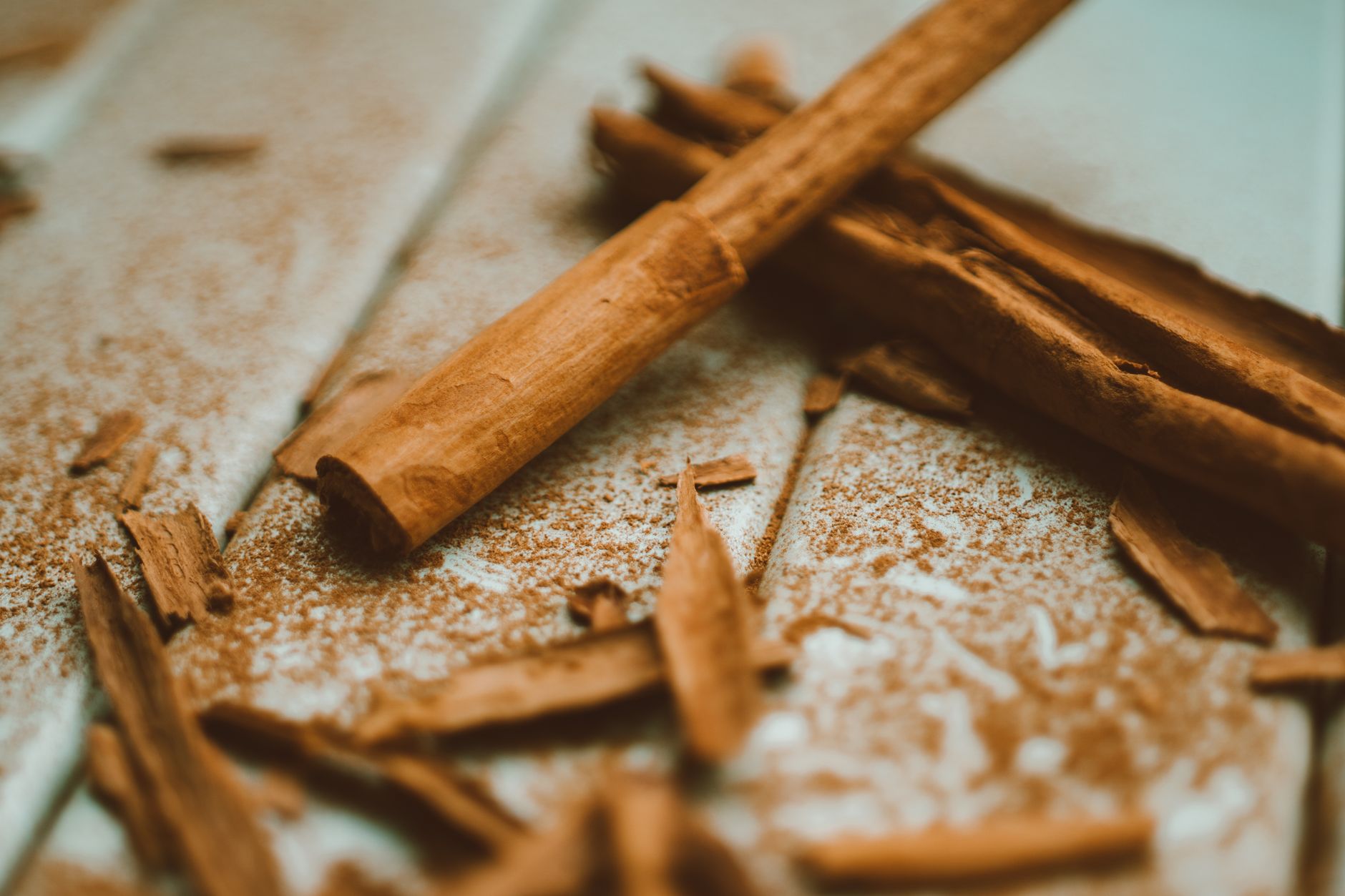
Cinnamon is one of the most cherished spices in culinary traditions worldwide. Yet, many people ask, “Is cinnamon wood?” Understanding this distinction is essential as it highlights the unique characteristics and uses of cinnamon as both a spice and the wood from which it comes. This article delves into cinnamon wood’s properties, culinary uses, and serving ideas.
Cinnamon comes from the bark of trees belonging to the Cinnamomum genus. While most culinary applications reference the dried inner bark, exploring cinnamon wood can also open new avenues for flavor and presentation in food preparation. In this piece, we’ll discuss the properties, usages, and even some serving ideas involving cinnamon wood, making this article a perfect guide for food enthusiasts.
What Is Cinnamon Wood?
Cinnamon wood is derived from the bark of the Cinnamomum trees, which are native to various parts of Asia. The most commonly used varieties in culinary applications include Cinnamomum verum, also known as “true cinnamon” or “Ceylon cinnamon,” and Cinnamomum cassia, often referred to as “Chinese cinnamon.” The bark is harvested, processed, and can be further utilized as a spice in various culinary practices.
Properties of Cinnamon Wood
Cinnamon wood is not just valued for its spice but also for its physical characteristics. The wood exhibits a rich, aromatic quality that makes it ideal for specific culinary uses. Here are some key properties:
- Aroma: Cinnamon wood releases a warm, sweet fragrance commonly associated with cinnamon spice, which can enhance various dishes.
- Flavor: While the wood itself is not typically consumed, its infusions and sap can impart a subtle sweetness and spice into food.
- Color and Texture: The wood has a warm hue, ranging from light to dark brown, with a fine texture that contributes to its aesthetic appeal.
Culinary Uses of Cinnamon Wood
Cinnamon wood can be utilized in various culinary applications, including smoking, infusing, and presentation. Here are some innovative uses:
1. Smoking Meats and Vegetables
One of the most popular uses of cinnamon wood is for smoking meats and vegetables. The aromatic, sweet flavor complements several dishes, including:
- Poultry: Chicken and turkey benefit from a delicate infusion of cinnamon flavor.
- Pork: Pork chops, ribs, and tenderloins can take on a uniquely sweet and savory profile.
- Vegetables: Root vegetables, mushrooms, and even fruits can be enhanced by a quick smoke with cinnamon wood.
2. Infusing Liquids
Using cinnamon wood to infuse liquids can provide depth and complexity to various beverages and sauces.
- Hot Beverages: Use cinnamon sticks or small pieces of cinnamon wood to steep in teas and coffees, adding warmth and sweetness.
- Syrups: Warm syrups made from simple ingredients can have a local twist with the addition of cinnamon wood.
- Alcoholic Beverages: Infuse spirits like whiskey or rum with cinnamon wood for a unique flavor profile in cocktails.
3. Flavoring Sauces and Marinades
Add cinnamon wood essence to various sauces and marinades. Additionally, you can simmer cinnamon wood pieces in stews or braises to enhance the overall flavor.
The sweetness from the cinnamon balances out savory flavors, making it an excellent addition to:
- BBQ Sauces: Combine with ketchup, vinegar, and spices for a robust and unique sauce.
- Glazes: Pour over meats or vegetables before roasting to achieve a caramelized finish.
4. Presentation and Garnish
For an elegant presentation, cinnamon wood can be creatively used as a garnish. Its rich color and texture can visually enhance dishes such as:
- Plated Desserts: Drizzle sweet sauces over a dessert and place a piece of cinnamon wood on top for decor.
- Cocktails: Use a cinnamon stick as a stirrer or garnish in cocktails to provide an aromatic experience.
Serving Ideas with Cinnamon Wood
Now that we’ve explored cinnamon wood’s culinary uses, it’s essential to consider how to serve dishes that incorporate this wood. Here are some serving ideas:
1. Cinnamon-Infused Teas
To serve cinnamon-infused teas, consider creating a small tea station for guests:
- Brew: Steep the tea with pieces of cinnamon wood for 5–10 minutes. Serve with honey for sweetness.
- Presentation: Present in a clear glass to highlight the tea’s color and include a cinnamon stick as a garnish.
2. Smoky Dishes
For dishes that have been smoked with cinnamon wood:
- Plate: Arrange the smoked meats or vegetables on a wooden platter to reflect the rustic nature of the ingredients.
- Sides: Serve with complementary side dishes like roasted vegetables or a light salad to balance flavors.
3. Unique Cocktails
For cocktails utilizing cinnamon-infused spirits:
- Mix: Create a signature cocktail featuring the infused cinnamon spirit, paired with fresh ingredients like citrus or berries.
- Garnish: Use a small piece of cinnamon wood as a stirrer or garnish to enhance the drink’s overall aroma.
Practical Tips for Using Cinnamon Wood
As you explore using cinnamon wood in your cooking, consider these practical tips to make the most of your culinary experience:
- Source Quality Wood: Look for food-grade cinnamon wood, specifically intended for culinary use, from reputable suppliers.
- Storage: Keep cinnamon wood dry and stored in an airtight container to preserve its aroma and flavor.
- Experiment: Try different combinations of foods with cinnamon wood, and note how flavors interact.
- Monitor Cooking Times: Wood can burn quickly if left unattended on heat sources. Check frequently when smoking or infusing.
Common Mistakes and Troubleshooting
While using cinnamon wood can elevate your dishes, there are potential pitfalls to avoid:
1. Using Too Much Wood
Overpowering the dish with excessive cinnamon flavor can make the food too sweet. Start with small pieces, gradually increasing the amount as necessary.
2. Improper Smoking Techniques
If you are new to smoking, consult reliable sources on techniques specific to the wood you are using. Under-smoking or over-smoking can lead to undesirable flavor outcomes.
3. Ignoring Temperature
Cook meats or vegetables at the right temperature for optimal results. Low and slow cooking techniques usually yield the best flavors in smoked dishes.
Making Cinnamon Wood Part of Your Cooking Routine
Integrating cinnamon wood into your cooking can be a delightful adventure for both novice and experienced home cooks. Start small and gradually explore the wide range of flavors this exceptional wood can add to your dishes.
To introduce cinnamon wood into your culinary repertoire, consider incorporating it during meal prep. For example, when smoking meat or infusing beverages, plan it as part of a single cooking session to save time and ensure flavorful results.
Storing Cinnamon Wood
Properly storing cinnamon wood is essential to maintain its flavor and aromatic qualities. Follow these tips:
- Cool and Dry Place: Store cinnamon wood in a cool, dry cabinet away from direct sunlight to prevent moisture absorption.
- Sealed Containers: Place cinnamon wood in airtight containers to prevent it from absorbing odors and losing its flavor.
- Labeling: If you have multiple types of wood, label containers to easily identify cinnamon wood for future use.
Final Thoughts
Exploring the culinary potential of cinnamon wood adds depth and creativity to your cooking. From smoking meats to infusing flavors into drinks, cinnamon wood provides versatile applications for enhancing various dishes. With its unique aroma and flavor profile, embracing cinnamon wood can elevate your culinary journey, making every meal memorable.
For more exciting options, explore our delectable giant fluffy cinnamon roll recipe or try a cinnamon roll recipe with heavy cream that beautifully incorporates this cherished spice into your baking experience.