
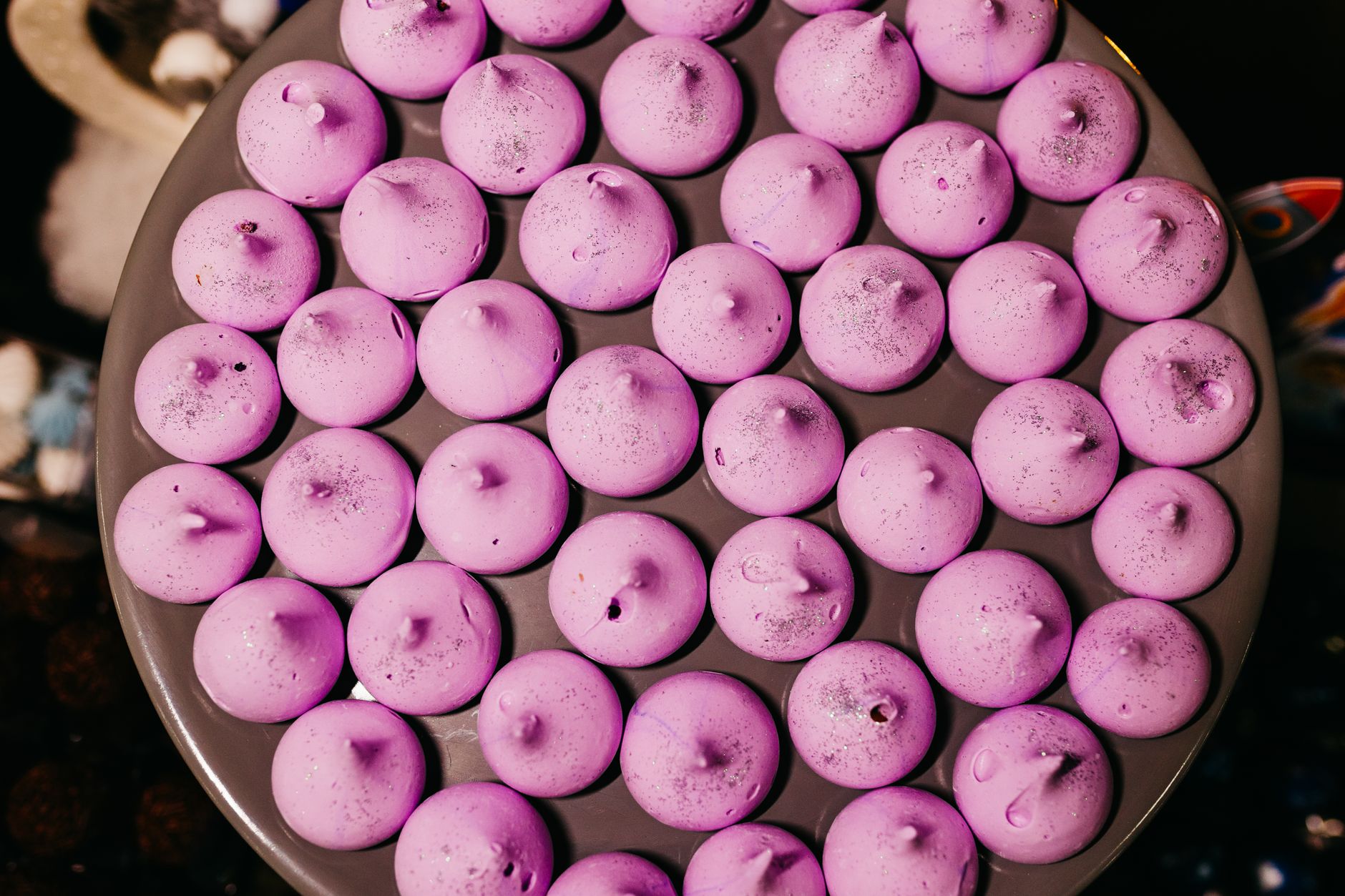
Meringue is a light, airy treat that can elevate many desserts, such as pies, cakes, and cookies. Known for its delicate texture and sweet flavor, meringue is formed by whipping egg whites with sugar until stiff peaks form, then baking until dry and crisp. The baking time and temperature are crucial for achieving the perfect meringue.
In this guide, we will explore how long to bake meringue, the ideal temperatures, and key doneness checks. Understanding these essential factors will help you create beautiful meringue that impresses your guests and enhances your favorite desserts.
How Long to Bake Meringue?
The general baking time for meringue ranges from 1 to 2 hours, depending on the type of meringue and the desired texture. For example, French meringue is often baked at a lower temperature for a longer time, while Italian meringue may be used in dishes that require less baking time. Always check for visual and textural cues to ensure doneness.
Understanding Meringue Types
Before diving into baking times, it is helpful to understand the different types of meringue, as each may require slightly different baking techniques and times. The three main types are:
- French Meringue: The most basic version, made by whipping egg whites and gradually adding sugar until stiff peaks form. It is typically baked at a low temperature for a longer duration.
- Italian Meringue: Created by slowly pouring hot sugar syrup into whipped egg whites, resulting in a more stable meringue. This meringue can be baked for a shorter time at a slightly higher temperature.
- Swiss Meringue: Prepared by heating egg whites and sugar together over a double boiler before whipping. It can also be baked quickly at a higher temperature.
Factors Affecting Baking Time
Several factors can influence how long it takes to bake meringue. These include:
- Oven Temperature: Meringue is often baked at temperatures ranging from 200°F to 250°F (93°C to 121°C). Lower temperatures help prevent browning while ensuring the meringue dries out properly.
- Meringue Thickness: Thicker meringues will take longer to bake than thinner layers. Be sure to consider the size and shape of your meringue when estimating baking time.
- Humidity: High humidity can affect the drying process, potentially leading to less stable meringue. Consider adjusting baking times in humid conditions.
How Long to Bake Different Types of Meringue
Baking French Meringue
French meringue should be baked at 200°F to 225°F (93°C to 107°C). Baking times typically range from 1.5 to 2 hours, depending on the size and thickness. After the initial hour, check for doneness.
Baking Italian Meringue
Italian meringue can be baked at a slightly higher temperature of about 225°F to 250°F (107°C to 121°C). Because Italian meringue is more stable due to the sugar syrup, it generally requires 30 to 60 minutes of baking. Check for dryness and texture.
Baking Swiss Meringue
Swiss meringue is often baked at 200°F (93°C) for about 60 minutes, although times may vary based on thickness and humidity. Always use a lightweight test to check for doneness.
Doneness Checks for Meringue
Checking for doneness is essential for properly baked meringue. Here are some methods:
- Visual Check: Meringue should be dry and not sticky to the touch. If it feels tacky, it likely needs more time.
- Color: Ideal meringue should remain white or slightly off-white. Brown spots indicate overbaking.
- Sound Test: Gently tap the meringue. It should sound hollow rather than dense, indicating it has dried properly.
Common Mistakes to Avoid
When working with meringue, understanding potential pitfalls will help you achieve better results:
- Improper Egg White Preparation: Ensure egg whites are free of yolk and at room temperature for the best results.
- Rushing the Sugar Addition: For French meringue, add sugar slowly while whipping to ensure proper stabilization.
- Skipping the Cooling Process: Let meringue cool in the oven to prevent cracking and shrinking.
Storage and Reheating Meringue
Meringue is best enjoyed fresh; however, if you need to store it, follow these simple guidelines:
- Storage: Keep baked meringue in an airtight container to protect it from humidity and softening.
- Shelf Life: Ideally, consume meringue within 1 to 2 days of baking for the best texture.
Practical Tips for Baking Meringue
To enhance your meringue baking experience, consider the following tips:
- Experiment with Flavors: Add extracts, zest, or cocoa powder to your meringue mix for unique flavor profiles.
- Use a Stand Mixer: A stand mixer provides better stability and consistent results.
- Prepare for Decoration: Consider swirling in fruit purees or chocolate before baking to create visually stunning meringue shapes.
Easy Meringue Recipe Example
If you are ready to try your hand at baking meringue, follow this simple French meringue recipe!
Ingredients
- 4 large egg whites, at room temperature
- 1 cup granulated sugar
- 1/4 teaspoon cream of tartar
- 1 teaspoon vanilla extract (optional)
Essential Equipment
- Electric mixer or stand mixer
- Mixing bowl (glass or metal)
- Baking sheet lined with parchment paper
- Spatula for spreading
Step-by-Step Method
- Preheat your oven to 200°F (93°C).
- In a clean mixing bowl, add the egg whites and cream of tartar. Begin whisking on low speed.
- Once the egg whites become frothy, gradually add the granulated sugar, one tablespoon at a time, while increasing the mixer speed to medium-high.
- Continue to whip until stiff peaks form and the mixture is glossy. This should take about 7-10 minutes.
- Optional: Gently fold in vanilla extract if desired.
- Using a spatula, transfer the meringue to the lined baking sheet. Shape into nests or dollops as preferred.
- Bake for 1.5 to 2 hours, checking occasionally for doneness. The meringue should feel dry and sound hollow when tapped.
- Turn off the oven and leave the meringue inside to cool completely. This helps prevent cracking.
Serving Suggestions
Your baked meringue can be served in various delightful ways:
- Top a lemon or chocolate pie with meringue for a classic finish.
- Create a pavlova by layering meringue with whipped cream and fresh fruit.
- Add crumbled meringue as a topping for ice cream or yogurt parfaits.
Understanding how long to bake meringue and recognizing doneness cues are vital for achieving the desired light, airy texture. With careful preparation and attention to detail, you can create delicious meringue desserts that will impress everyone.
For a delicious start, check out our French meringue recipe or explore our Italian meringue recipe for another take on this delightful treat. Happy baking!