
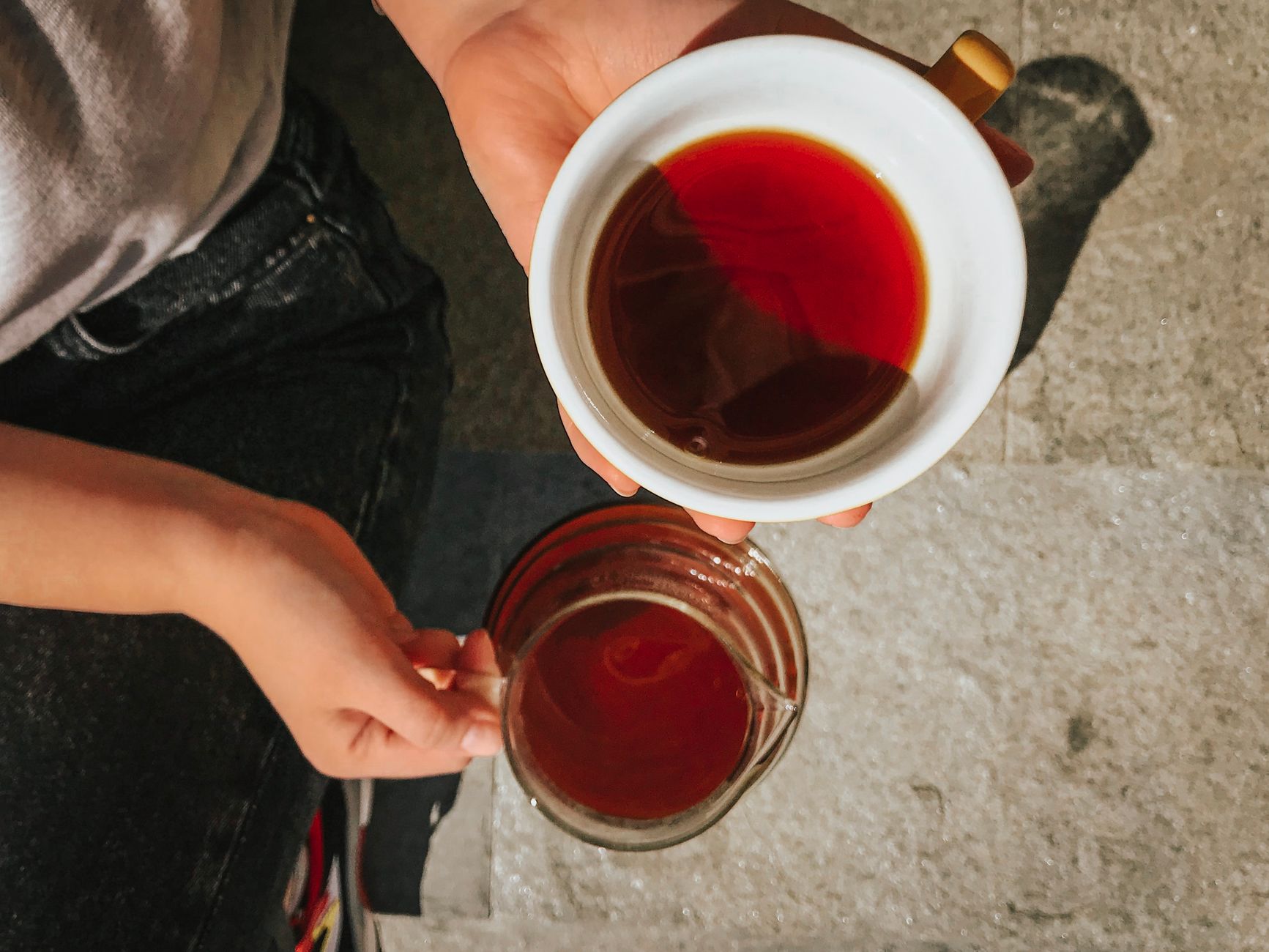
Tea is one of the most popular beverages in the world, celebrated for its myriad flavors and health benefits. Among the many factors that influence a tea enthusiast’s choice is caffeine content. Understanding which types of tea contain the most caffeine can enhance your tea experience, whether you’re looking for a morning pick-me-up or an afternoon boost. This guide will explore the different types of tea, their caffeine levels, and how they compare to each other.
If you’ve ever wondered, “What kind of tea has the most caffeine?” you’re not alone. Caffeine levels can vary significantly across different types of tea, influenced by the tea plant variety, processing methods, and preparation techniques. By the end of this article, you’ll have a clearer idea of which teas to choose when you need a caffeine boost.
What Kind of Tea Has the Most Caffeine?
Generally, black tea contains the most caffeine compared to other types of tea. However, certain specialty teas like matcha can also pack a significant caffeine punch. Matcha, which is a powdered form of green tea, contains a higher concentration of caffeine because you consume the entire leaf. On average, an 8-ounce cup of brewed black tea has about 40-70 mg of caffeine, while matcha can range from 60-80 mg or even more, depending on the amount used.
Factors Affecting Caffeine Content in Tea
Several factors affect how much caffeine is in your cup of tea. Understanding these can help you make informed choices about your tea intake.
- Type of Tea Plant: The Camellia sinensis plant, from which all true teas are derived, has various cultivars that contain different caffeine levels.
- Processing Methods: The way tea leaves are processed—whether they are oxidized, dried, or fermented—can impact caffeine levels.
- Brewing Time and Temperature: Longer steeping times and higher temperatures can extract more caffeine from the leaves.
- Leaf Size: Larger leaf teas generally release caffeine more slowly, while smaller leaf teas, like those used in bagged varieties, may infuse caffeine quickly.
Caffeine Content in Popular Tea Varieties
To help you understand which tea types you might want to reach for, here’s a breakdown of some popular varieties and their typical caffeine content.
1. Black Tea
Black tea is known for its robust flavor and higher caffeine content, making it a favored choice among tea drinkers who need an energy boost. Varieties such as Assam and Darjeeling are especially rich in caffeine. An 8-ounce cup of brewed black tea typically contains:
- 40-70 mg of caffeine, depending on the type, brewing time, and tea cut.
2. Green Tea
Green tea is often prized for its health benefits and milder flavor. Though it generally has less caffeine than black tea, certain green teas like matcha provide a notable caffeine level since you consume the entire leaf. Regular brewed green tea typically contains:
- 20-45 mg of caffeine per 8-ounce cup.
3. Oolong Tea
Oolong tea falls between black and green tea in terms of oxidation and flavor. Its caffeine content varies but is usually moderate, with an average of:
- 30-50 mg of caffeine per 8-ounce serving.
4. White Tea
White tea is considered the least processed of all tea types, retaining delicate flavors. Its caffeine content can be surprisingly high, particularly in high-quality varieties such as Silver Needle, typically containing:
- 15-30 mg of caffeine per cup.
5. Herbal Tea
Most herbal teas are naturally caffeine-free as they do not originate from the Camellia sinensis plant. However, some blends, like yerba mate or guayusa, do contain caffeine. On average, herbal tea varieties will have:
- 0-10 mg of caffeine, unless they include caffeine-containing herbs.
6. Matcha Tea
Matcha is unique because you consume finely ground leaves, giving it a higher caffeine concentration. A serving typically contains:
- 60-80 mg of caffeine per 8-ounce serving, and can go even higher based on the amount used.
Brewing Techniques to Maximize Caffeine Extraction
Now that you’re familiar with the different types of tea and their caffeine content, you may want to know how to brew these teas to maximize their caffeine extraction. Here are some techniques to consider:
1. Use Hot Water
Using water heated to a higher temperature can help extract more caffeine. For black teas, aim for water just below boiling (around 200°F or 93°C). For green teas, use cooler water (around 175°F or 80°C) to avoid bitterness while still maximizing caffeine.
2. Steep Longer
Allowing your tea to steep for a longer time can lead to higher caffeine extraction. Generally, the recommended steeping times are:
- Black tea: 3-5 minutes
- Green tea: 2-3 minutes
- Oolong tea: 3-5 minutes
- White tea: 4-5 minutes
3. Increase the Leaf Quantity
Using more tea leaves can directly increase the caffeine content of your brew. Instead of the standard teaspoon per cup, try using 1.5 to 2 teaspoons of tea for a stronger brew.
Comparing Caffeine Levels: Tea vs. Coffee
It’s important to place the caffeine content of tea in context with other beverages, particularly coffee. An average 8-ounce cup of brewed coffee contains:
- 95-200 mg of caffeine, significantly more than most teas.
While tea provides a gentler caffeine boost, making it a popular choice for those seeking a more subtle energy lift or interested in managing their caffeine intake.
Health Considerations for Caffeine Consumption
Caffeine is generally safe for most adults when consumed in moderation, but it’s essential to recognize that certain individuals may need to limit their intake. Here are some factors to consider:
- Pregnancy: Pregnant women are often advised to limit caffeine intake, as excessive amounts could potentially affect fetal development.
- Sleep Disorders: Individuals struggling with insomnia or sleep disturbances may benefit from limiting caffeine, especially in the afternoon and evening.
- Heart Conditions: People with certain heart conditions should consult with a healthcare professional regarding their caffeine consumption.
Choosing the Right Tea for Your Caffeine Needs
When selecting a tea based on its caffeine content, consider your mood, energy needs, and time of day. Here’s a quick guide to help you choose:
- Morning Boost: Opt for a black tea or matcha for a strong caffeine kick.
- Afternoon Lift: Sip on oolong or green tea for a moderate boost without overwhelming your senses.
- Evening Relaxation: Choose a caffeine-free herbal tea to wind down while enjoying a soothing drink.
Conclusion
Understanding which tea has the most caffeine can empower you to make choices that align with your lifestyle and energy needs. Black tea and matcha are excellent options for those seeking a higher caffeine boost, while green and oolong teas offer moderate alternatives. With proper brewing techniques, you can maximize caffeine extraction and enjoy each cup to its fullest.
For more insights into the world of tea, consider exploring how much caffeine is in chai tea or navigating through various tea types at these resources: What Tea Has the Most Caffeine and How Much Caffeine in Chai Tea.