
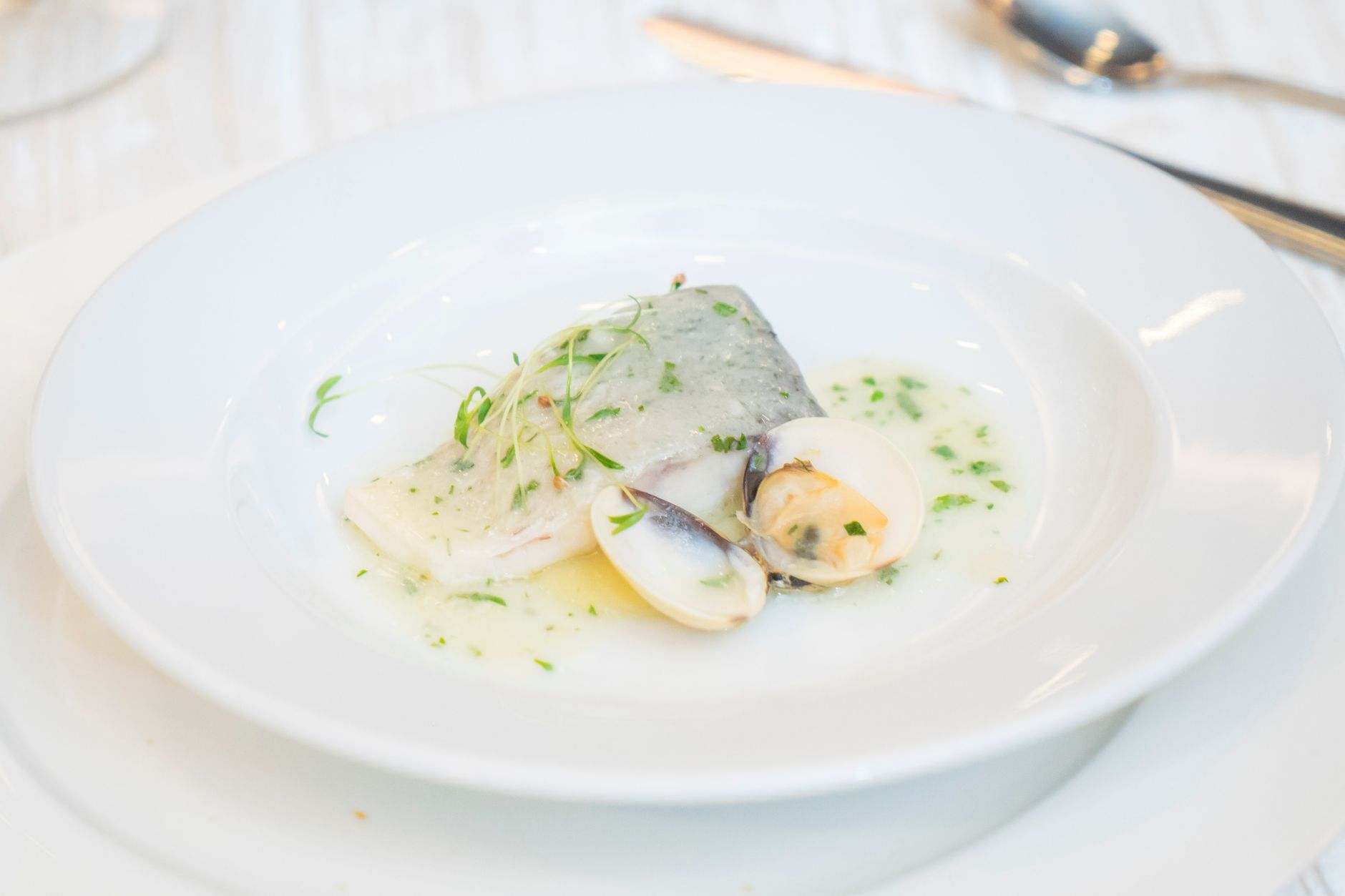
Turbot fish, known for its unique flavor and texture, is a highly regarded flatfish that often graces the tables of seafood lovers worldwide. With its distinct diamond shape and firm, white flesh, turbot is not only delicious but also versatile in cooking applications.
This article delves into the characteristics of turbot fish, including its flavor profile, ideal cooking methods, and tips on how to serve it. Whether you are a seasoned home cook or new to the culinary world, understanding turbot can elevate your seafood dishes.
What Is Turbot Fish?
Turbot fish (Scophthalmus maximus) is a flatfish native to the North Atlantic and Mediterranean Sea. Recognizable by its oval shape and bumpy skin, turbot is appreciated for its culinary qualities. The flesh is firm and white, with a mild, delicate flavor that pairs well with various seasonings and cooking techniques.
Available year-round, turbot can vary in price based on its size and origin, with farmed varieties often found in markets more than wild-caught. This fish offers not only versatility but also a healthy source of protein, making it a worthy addition to any seafood menu.
Flavor Profile and Texture
The flavor of turbot is mild and slightly sweet, often compared to the taste of halibut or sole but with its distinct characteristics. Its firm but tender flesh is the trademark of the species, providing a luxurious mouthfeel when cooked.
The skin of turbot is typically rough and can be prepared in various ways—seared, roasted, or poached—allowing for a diversity of flavor profiles depending on the spices and accompaniments used.
Cooking Techniques for Turbot
There are numerous techniques for cooking turbot fish, each enhancing its delicate flavor while showcasing its firm texture. Here are some popular methods:
1. Pan-Seared Turbot
Pan-searing is a quick and effective method that creates a delicious crispy skin while keeping the flesh moist. The following steps can help achieve excellent pan-seared turbot:
- Start with fresh, fileted turbot, making sure to pat it dry with paper towels.
- Season the fillets generously with salt and pepper on both sides.
- Heat a skillet over medium-high heat and add a tablespoon of olive oil or butter.
- Once the oil is hot, place the fillets skin-side down in the pan. Sear for 3–4 minutes without moving them to develop a crust.
- Flip the fillets carefully and cook for an additional 2–3 minutes until the fish flakes easily with a fork.
2. Baked Turbot
Baking turbot is an excellent method for allowing gentle cooking while preserving the fish’s moisture. Here’s how to do it:
- Preheat your oven to 375°F (190°C).
- Grease a baking dish with olive oil or butter, and arrange the turbot fillet inside.
- Season with herbs such as dill, parsley, or thyme, sliced lemon, and a drizzle of olive oil.
- Cover the dish with aluminum foil and bake for 20–25 minutes or until the fish is opaque and flakes easily.
3. Poached Turbot
Poaching is a gentle cooking method that keeps the fish moist and tender. Try this method to enjoy turbot with light flavors:
- Fill a large skillet with enough water or broth to cover the fillets.
- Add aromatics like a bay leaf, peppercorns, and lemon slices.
- Heat until simmering but not boiling. Lower the heat to maintain a gentle simmer.
- Carefully add the turbot fillets to the liquid and cover the skillet. Cook for about 10–15 minutes until the fish is just cooked through.
Ingredient Guide for Turbot
When preparing turbot, choosing the right ingredients can elevate the dish up a notch. Here are some essential ingredients that pair beautifully with turbot:
- Olive oil: Provides moisture and flavor; a good quality extra virgin is recommended.
- Herbs: Fresh herbs such as dill, parsley, tarragon, and chives complement the mild flavor.
- Citrus: Lemon or lime juice adds brightness; consider the zest for added aromatic qualities.
- Garlic: Minced or roasted, garlic can enhance the overall flavor profile.
- Wine: White wine, when used in cooking, adds depth and acidity, balancing the richness of the fish.
How to Serve Turbot
Serving turbot fish can be as simple or as elaborate as you desire. Here are some ideas for plating this elegant dish:
1. With Vegetables
Lightly sautéed seasonal vegetables, such as asparagus, zucchini, or spinach, make a fresh and colorful side to accompany turbot. Drizzle with a lemon-infused olive oil to enhance the dish.
2. With a Sauce
A light sauce such as beurre blanc (a creamy butter sauce) or a white wine reduction creates a sophisticated dish. Pour the sauce over the fish before serving for extra flavor.
3. On a Bed of Grains
Serve turbot over quinoa, couscous, or risotto to add texture and nuttiness. Enhance the grains with herbs or a sprinkle of nuts for added crunch.
4. With Seasonal Fruit
For a unique twist, pair turbot with seasonal fruit such as mango or grapefruit. The sweetness of the fruit can balance the savory elements of the dish.
Common Mistakes and Troubleshooting Tips
Cooking turbot can be straightforward, but a few common pitfalls may arise. Here are some mistakes to avoid and troubleshooting tips:
- Overcooking: Due to its delicate nature, turbot cooks quickly. Keep an eye on cooking time and check for doneness regularly.
- Not seasoning adequately: Since turbot has a mild flavor, generous seasoning is essential to enhance its taste.
- Preparing with heavy sauces: Light sauces or preparations work best to allow the natural flavor of the turbot to shine.
Storage and Reheating Tips
To maintain the quality of turbot fish, consider these storage and reheating tips:
- Storage: Fresh turbot should be kept in the coldest part of the refrigerator and consumed within one to two days. If not used, consider freezing for longer storage.
- Freezing: Wrap the fish tightly in plastic wrap or aluminum foil, then place it in an airtight container or freezer bag. Frozen turbot can last for up to three months.
- Reheating: The best method for reheating turbot is to do so gently. Place cooked fish in a preheated oven at 300°F (150°C) for about 10 minutes until warmed through.
Substituting Turbot
If turbot is unavailable, consider these suitable substitutes that can mimic its texture and flavor:
- Halibut: Similar in texture and flavor; it offers a slightly firmer bite.
- Flounder: A more delicate fish, flounder can stand in for turbot, yielding a milder flavor.
- Sole: Another flatfish that can replicate the texture and mild flavor.
- Monkfish: A meatier option, monkfish can work if you’re looking for a different yet firm texture.
Conclusion
Turbot fish is a highly versatile seafood option that offers a delicate flavor and pleasant texture. From pan-searing to poaching, this fish can be prepared in a variety of ways to enhance its delicious qualities. As you explore different cooking techniques and ingredient pairings, turbot can easily become a favorite on your seafood menu.
Discover more about other delicious seafood options, such as baked haddock or steelhead trout. Each brings unique flavors and cooking methods that can elevate your culinary experiences.