
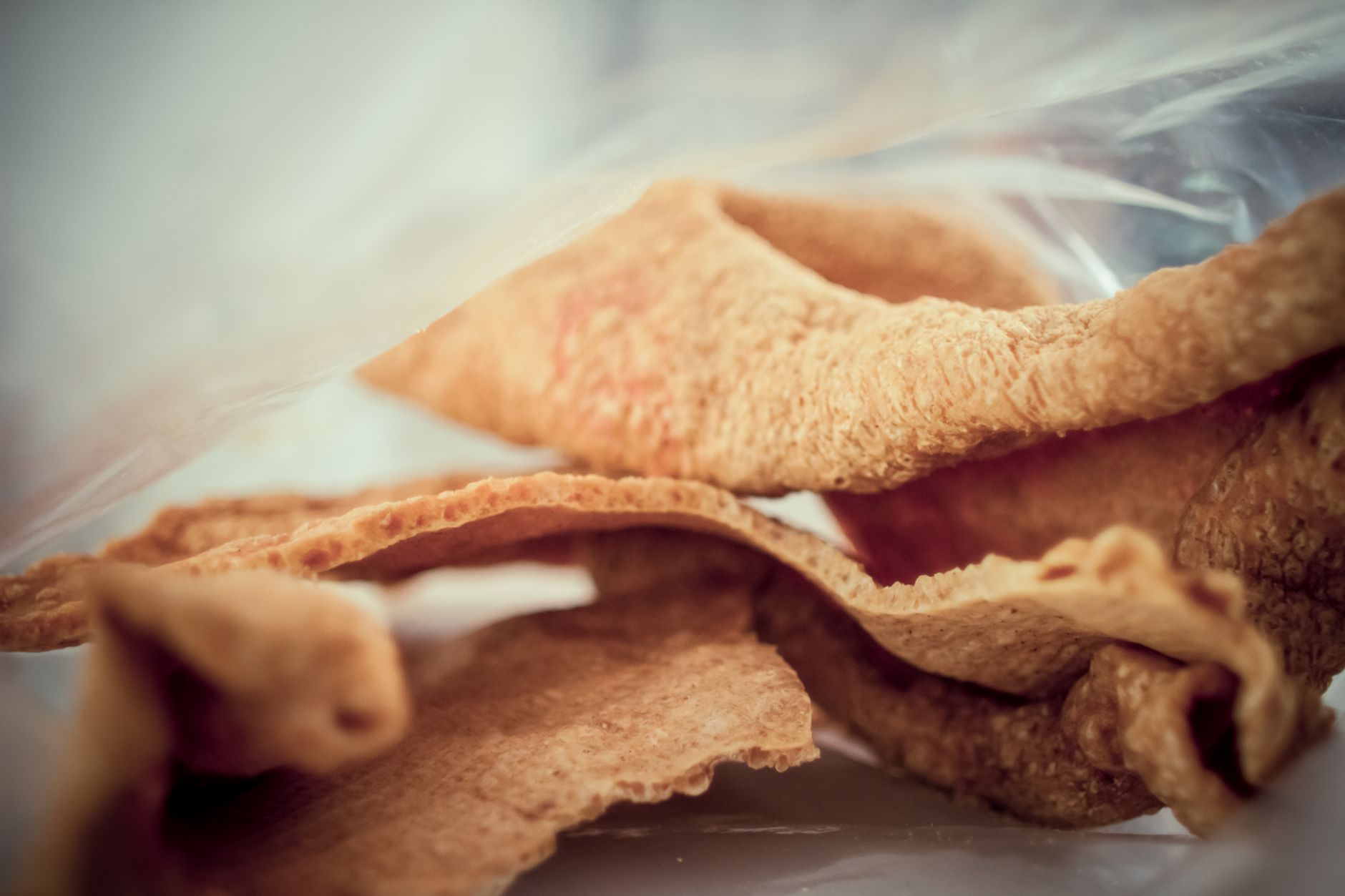
Chicharrones are a crunchy and savory snack that has won the hearts of many food lovers across the globe. Often compared to crispy pork rinds, they are commonly enjoyed as appetizers or toppings, especially in Latin and Southern cuisines. But what exactly are chicharrones made out of, and how are they prepared?
This article will delve into the ingredients typically used to make chicharrones, explore various preparation methods, and discuss how to enjoy this tasty treat in different ways. Whether you are a seasoned cook or just curious about this popular snack, you will find the information useful.
What Are Chicharrones Made Out Of?
Chicharrones are primarily made from pork skin and can also include varying amounts of fat and meat. The process of making chicharrones involves cooking the pork skin, which is then fried until it becomes crispy. In some variations, different types of meat are included, leading to different flavor profiles and textures.
The Main Ingredients of Chicharrones
The traditional basic ingredients for making chicharrones typically include:
- Pork skin: The primary ingredient that gives chicharrones their signature crunch.
- Pork fat: Some recipes include a layer of fat that remains attached to the skin, enriching flavor.
- Sewn seasonings: Common additions include salt, chili powder, or other spices chosen to enhance flavor.
Pork Skin
Pork skin, or pork rinds, is often sold in different forms in grocery stores. Depending on the preparation, the skin can vary in thickness, which influences the final texture of the chicharrones. When shopping for ingredients, choose high-quality pork skin that still contains some fat for the best results.
Pork Fat
The inclusion of pork fat adds a richness to the chicharrones. If the pork skin has no or very little fat, the finished product may not be as flavorful. Fat contributes to a richer bite and a more enjoyable mouthfeel. Some recipes prefer to use fatty cuts of pork, while others rely purely on skin for a leaner snack.
Seasonings
Seasonings are a crucial part of making chicharrones flavorful. Basic salt is essential, but other spices and seasoning blends can elevate the taste significantly. Common options include:
- Garlic powder
- Onion powder
- Smoked paprika
- Cayenne pepper for heat
- Dried herbs like oregano or thyme
Different Types of Chicharrones
While traditional chicharrones are made from pork, there are various regional adaptations and methodologies that introduce different ingredients and flavors. Here are a few notable variations:
Pork Chicharrones
This is the classic version that most people associate with the term chicharrones. It consists of fried pork skin and can be seasoned in various ways. The crunchiness and texture make them an excellent accompaniment to sandwiches, or they can be enjoyed on their own.
Chicken Chicharrones
Chicken chicharrones are made using skin from chicken instead of pork skin. They are prepared in a similar manner, providing a less fatty but equally crispy snack option. This variation can appeal to those seeking a lighter alternative or those who do not consume pork.
Beef Chicharrones
Beef chicharrones aren’t as common but can be made similarly using the fatty parts of beef skin or beef cuts. They have a different flavor and can be crunchier depending on the preparation technique.
Common Cooking Techniques for Making Chicharrones
There are several cooking techniques used to prepare chicharrones. Understanding these can help you in making the perfect batch. Here, we focus on two popular methods: frying and baking.
Frying Chicharrones
The traditional method for making chicharrones involves frying, which yields the crispy texture these snacks are known for. Here’s a brief overview of the frying process:
- Preparation of Pork Skin: Clean the pork skin by removing any hair or impurities. Cut it into manageable pieces.
- Boiling: Boil the pieces in salty water for 1-2 hours. This step tenderizes the skin and helps render excess fat.
- Cooling: Allow the boiled pieces to cool and dry; this is crucial for achieving crispiness when frying.
- Deep-Frying: Heat oil in a deep fryer or heavy pot to around 375°F (190°C). Fry the pieces of skin until they puff up and turn a golden brown.
- Draining: Use a slotted spoon to remove the chicharrones from the oil and drain them on paper towels. While still warm, season them with additional spices if desired.
Baking Chicharrones
Baking offers a healthier alternative to frying, producing less greasy chicharrones. Here’s how to do it:
- Preparation: Similar to frying, start by cleaning and cutting the pork skin into manageable pieces.
- Boiling: Boil the pieces in salty water until tender, as with the frying method. Drain and let cool.
- Baking: Preheat the oven to 400°F (200°C). Arrange the boiled pieces on a baking sheet lined with parchment paper.
- Seasoning: Lightly season the pieces with salt and any additional spices you prefer.
- Bake: Bake for 30-40 minutes, flipping halfway through until they puff and become golden brown. Let cool before serving.
How to Enjoy Chicharrones
Chicharrones can be enjoyed in various ways, making them a versatile addition to your snacking repertoire. Here are a few popular methods to incorporate them into your meals:
Snacking
The simplest way to enjoy chicharrones is as a snack. Serve them plain with a sprinkle of salt or spice blends for added flavor. They are great for dipping into salsas, guacamole, or any favorite dipping sauces.
Salads and Bowls
Add some crunch to your salads or bowls by tossing in crumbled chicharrones. They can provide a nice contrast to leafy greens and other ingredients, enhancing both texture and taste.
Mexican Dishes
Chicharrones are often employed in traditional Mexican dishes, such as:
- Chicharrones in salsa verde, where the crispy pieces absorb the vibrant sauce for a delicious combination.
- Chicharrones tacos, where they serve as a crispy filling option, typically accompanied by onions, cilantro, and lime.
- Chicharrones nachos, where layers of chicharrones are topped with cheese, jalapeños, and other favorite nacho fixings.
Breakfast Dishes
Chicharrones can elevate breakfast dishes, whether added to scrambled eggs for a crunchy texture or served alongside breakfast burritos. They can also be incorporated into breakfast casseroles where their crispy nature contrasts nicely with softer ingredients.
Storage and Reheating of Chicharrones
Correct storage of chicharrones is crucial to maintaining their crispy texture. Follow these tips for optimal storage:
Storage
Store chicharrones in an airtight container at room temperature. If kept properly sealed, they can retain their crispiness for several days; however, it’s best to consume them as fresh as possible.
Reheating
If you wish to reheat leftover chicharrones to restore their crispiness, there are easy methods:
- For a quick option, place them under a broiler for a minute or so, monitoring closely to avoid burning.
- An air fryer can also be a great tool; simply heat them at 375°F (190°C) for a few minutes.
Common Mistakes to Avoid
When making chicharrones, some common pitfalls can affect the final result. Here are a few mistakes to avoid:
- Skipping the boiling step: Boiling helps soften the skin and renders fat effectively, leading to better texture upon frying or baking.
- Not drying properly: Ensure that pork skin is adequately dried before frying or baking to achieve the desired crispiness.
- Frying at the wrong temperature: If the oil is too hot, the outside may burn before the inside is fully cooked. Conversely, oil that is too cool will result in greasy chicharrones.
Practical Tips for Making Chicharrones
Here are some handy tips to enhance your chicharron-making experience:
- Experiment with seasonings: Feel free to try different spice blends to find your favorite flavor profile.
- Choose the right cut: If using pork, fatty cuts with ample skin will yield the best results.
- Test for doneness: Whether frying or baking, closely monitor your chicharrones to ensure they puff up and achieve a golden brown color.
Health Considerations
While chicharrones are a tasty treat, it’s essential to consider moderation, especially because they are high in fat and calories. Those watching their dietary intake should enjoy them occasionally rather than as a staple snack. Additionally, if you are preparing them at home, you have control over the oil and seasonings used, which can make them a healthier option compared to store-bought versions.
With various types of chicharrones, preparation methods, and serving ideas, you can enjoy this delightful treat in many ways. Whether snacking or adding it to fine dishes, chicharrones provide a unique and enjoyable flavor and texture experience. So gather your ingredients, follow the tips above, and get ready for some truly delicious chicharrones.
Explore related recipes, cooking tips, or food guides to enhance your culinary skills and discover exciting new dishes to try in your kitchen.