
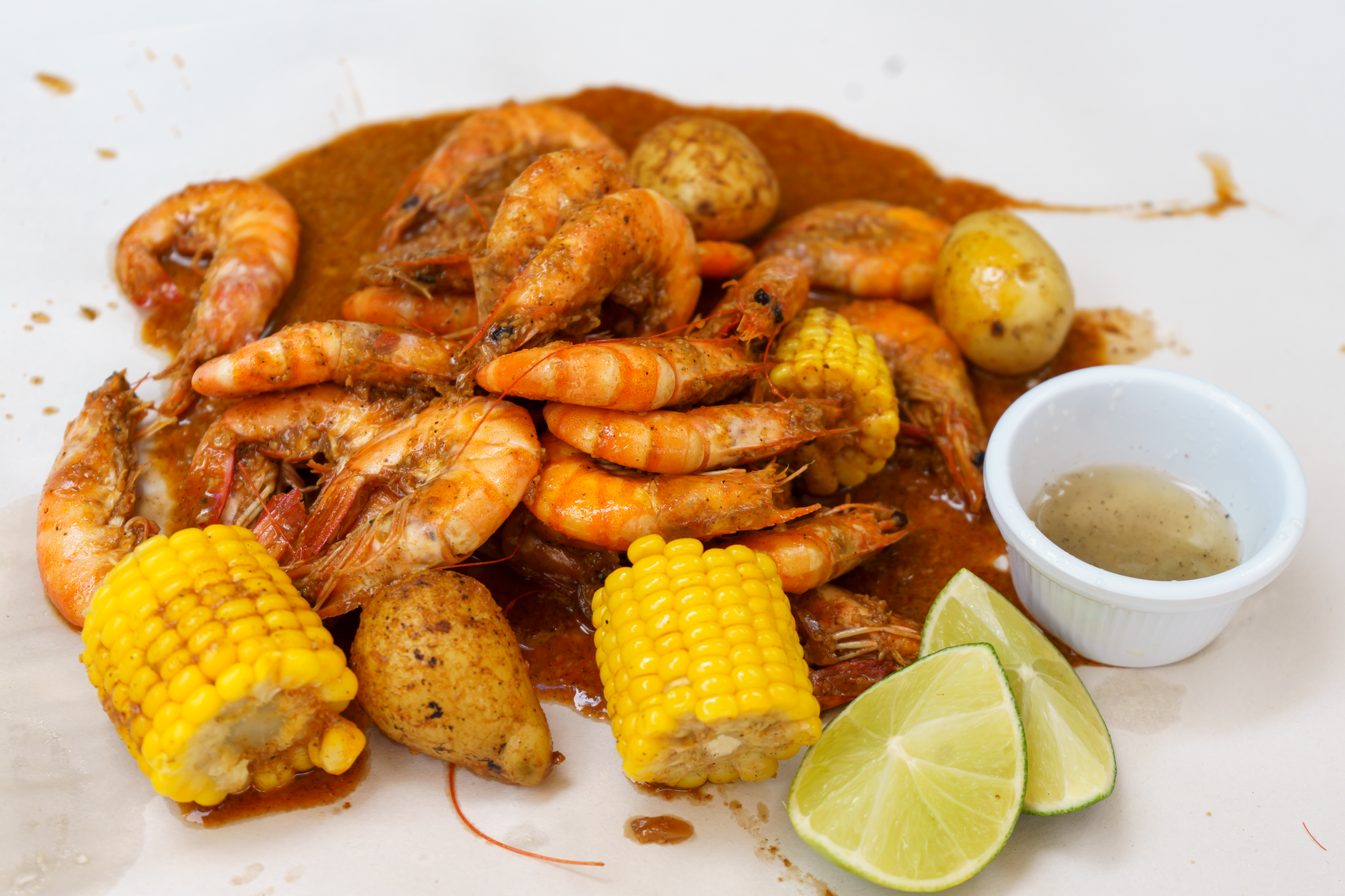
Boiling shrimp is a straightforward and versatile cooking method for this popular seafood. It allows the natural flavors of shrimp to shine while also being quick and easy to prepare. This article will guide you through the preparation, cooking techniques, tips for serving, and various ways to enjoy boiled shrimp.
Whether you’re planning a seafood feast, preparing shrimp for a special recipe, or just looking for a simple way to enjoy shrimp, boiling is a fantastic option. Let’s dive into the details.
Can You Boil Shrimp?
Yes, you can boil shrimp. This method is favored for its speed and simplicity while producing tender, juicy results. Boiling shrimp typically takes just a few minutes, making it an efficient way to prepare shrimp for salads, pasta dishes, or eating on their own.
Benefits of Boiling Shrimp
Boiling shrimp offers several advantages:
- Quick Cooking: Shrimp cooks rapidly, often in less than five minutes.
- Flavor Retention: Boiling helps retain the natural sweetness of shrimp.
- Easy Cleanup: With minimal pots and pans needed, boiling is a hassle-free method.
Choosing Shrimp for Boiling
The success of boiled shrimp largely depends on selecting the right shrimp. Here are some key considerations:
- Freshness: Look for shrimp that smells fresh and not overly fishy. The shell should be clean and intact.
- Size: Shrimp sizes are typically categorized by count per pound. Smaller shrimp (31-40 count) will cook faster, while larger sizes (16-20 count) may take slightly longer.
- Type: Both wild-caught and farmed shrimp can be boiled, but wild shrimp tend to have a firmer texture.
Preparation Tips
Before boiling shrimp, follow these preparation steps:
- Peeling: You can boil shrimp with the shell on for more flavor or peel them beforehand. If peeling, remove the shell and devein if needed.
- Cleaning: Rinse the shrimp under cold water to remove any debris or sand.
- Brining (Optional): For added flavor and texture, consider brining the shrimp in a mixture of water, salt, and sugar for about 15-30 minutes before boiling.
Essential Equipment for Boiling Shrimp
The tools needed for boiling shrimp are minimal. Here’s what you’ll need:
- Large Pot: A heavy-bottomed pot to ensure even heat distribution.
- Colander or Strainer: To drain the shrimp after boiling.
- Cooking Spoon: For stirring and checking the shrimp during cooking.
- Thermometer: Optional, but useful to check the temperature of the water.
How to Boil Shrimp: Step-by-Step Instructions
Follow these easy steps to boil shrimp perfectly:
- Prepare the Pot: Fill a large pot with water, about three-quarters full.
- Add Flavorings: For enhanced flavor, add salt, lemon wedges, garlic, and herbs such as bay leaves or thyme to the water. Use about 1-2 tablespoons of salt per quart of water.
- Bring to a Boil: Heat the pot over high heat until the water reaches a rolling boil.
- Add Shrimp: Carefully add the shrimp to the boiling water. Do not overcrowd the pot; if necessary, boil in batches.
- Boil the Shrimp: Cook the shrimp for 2-4 minutes, depending on size. They are done when they are opaque and pink.
- Drain and Ice Bath: After cooking, immediately transfer shrimp to a colander and rinse under cold water. For best texture, place them in an ice bath for a few minutes to stop cooking.
Common Mistakes When Boiling Shrimp
A few common mistakes can alter your final dish:
- Overcooking: Shrimp can become rubbery if boiled for too long. Keep a close eye on them, as they only need a few minutes.
- Under-seasoning: Shrimp are flavorful, but salt and other seasonings can enhance their taste. Don’t skip flavoring the water.
- Not Splitting Shrimp: If boiling large shrimp, consider cutting them in half to ensure even cooking.
Serving Suggestions for Boiled Shrimp
Boiled shrimp can be enjoyed in various ways, providing flexibility in your meal planning:
- Classic Shrimp Cocktail: Serve with cocktail sauce and lemon wedges.
- Salads: Toss boiled shrimp into salads for added protein.
- Pasta Dishes: Incorporate shrimp into pasta dishes like shrimp scampi or seafood pasta.
- Appetizers: Serve with dipping sauces, such as garlic butter or spicy aioli.
Flavoring the Water: Enhancing the Boiling Process
The flavor of your shrimp begins with the water you boil them in. Here are additional flavoring options:
- Spices: Consider adding old bay seasoning, cayenne pepper, or paprika for a spicy kick.
- Aromatics: Onions, ginger, or green onions can deepen the flavor profile.
- Citrus: Aside from lemon, orange or lime slices can also add a refreshing element.
Boiled Shrimp Variations
There are several variations of boiled shrimp dishes worth exploring. Consider these options:
- Low Country Boil: A Southern classic with shrimp, potatoes, corn on the cob, and sausage boiled together.
- Garlic Butter Shrimp: Toss cooked shrimp in a mixture of melted butter and minced garlic before serving.
- Spicy Shrimp Boil: Add spicy sausages, jalapenos, and additional spices to the boiling water for a flavorful twist.
Make-ahead and Storage Instructions
Boiled shrimp can be made ahead of time and stored for later use:
- Refrigeration: Store boiled shrimp in an airtight container in the refrigerator for up to 3 days.
- Freezing: For longer storage, freeze the shrimp. Place them in a single layer on a baking sheet, freeze until solid, and then transfer to a freezer bag for up to 3 months.
Reheating Boiled Shrimp
If you’ve made a batch of boiled shrimp and need to reheat them, here are a few methods:
- Stovetop: Place shrimp in a skillet over low heat with a splash of water or butter. Heat just until warmed through.
- Microwave: Use a microwave-safe dish, covering it with a damp paper towel, and microwave in short intervals until warm.
Conclusion
Boiling shrimp is an easy and effective method to prepare this delicious seafood. With simple steps, you can enjoy shrimp as part of a variety of dishes, enhancing your meals with their sweetness and rich texture. Depending on your flavor preferences, experimenting with spices and seasoning will take your boiled shrimp to the next level.
Ready to elevate your cooking? Try making shrimp stock with leftover shells for a flavorful broth, or check out this delicious shrimp scampi recipe without wine for a quick dinner option. Explore more recipes to see how versatile shrimp can be!