
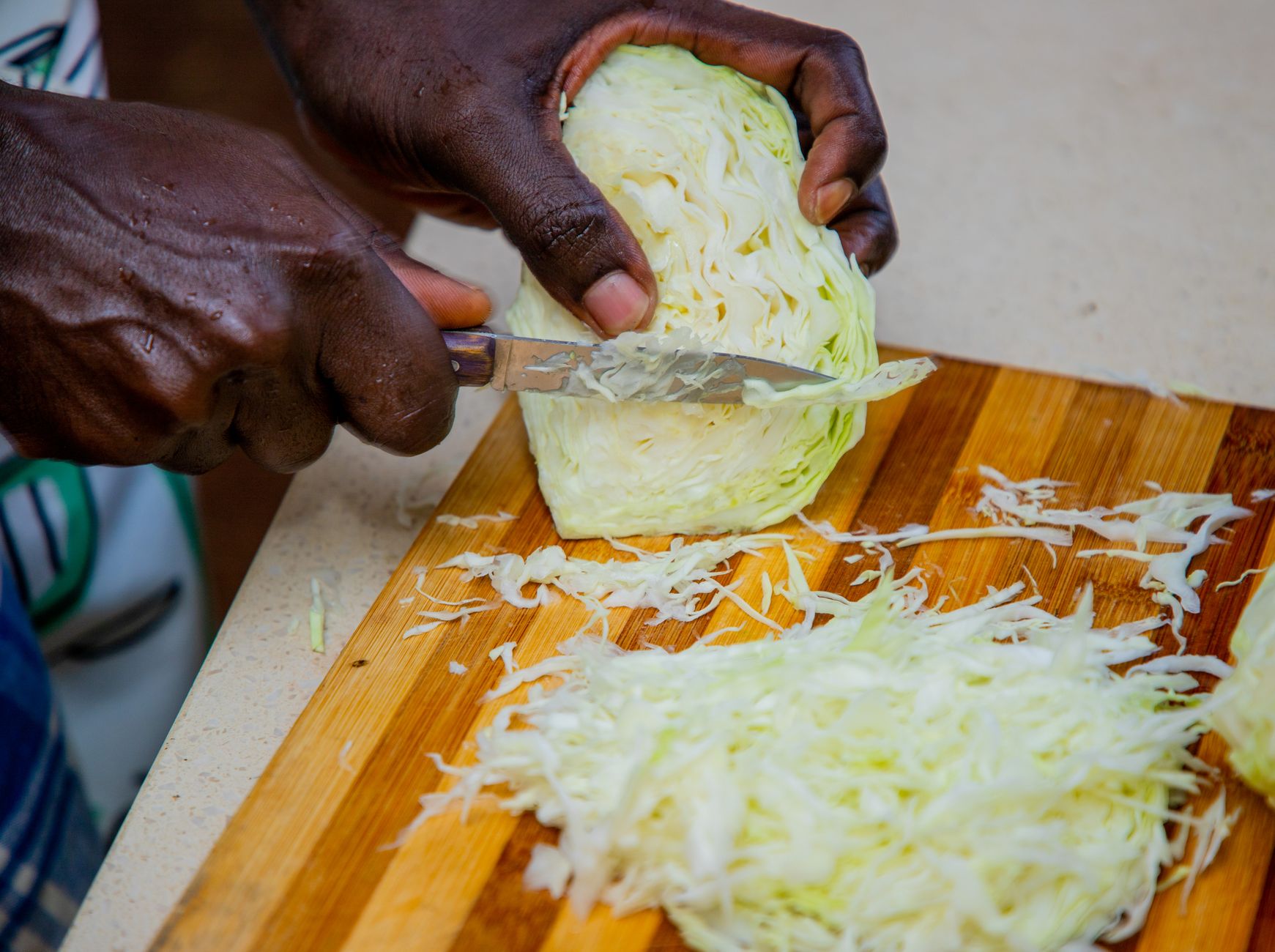
Freezing shredded cabbage is an excellent way to preserve its freshness and extend its shelf life. Whether you have a surplus from a garden harvest or simply bought too much at the store, knowing how to properly freeze shredded cabbage ensures that you always have this versatile vegetable on hand for stir-fries, soups, and salads.
In this guide, we’ll cover everything you need to know about freezing shredded cabbage, including best practices for freezing, thawing techniques, and tips for using it in your favorite recipes.
Can I Freeze Shredded Cabbage?
Yes, you can freeze shredded cabbage effectively. When done properly, freezing preserves its flavor, texture, and nutritional value, allowing you to enjoy cabbage long after its typical freshness period.
Why Freeze Shredded Cabbage?
Freezing shredded cabbage is a practical solution for several reasons:
- Extended Shelf Life: Fresh cabbage typically lasts about one to two weeks in the refrigerator. Freezing extends this lifespan considerably.
- Convenience: Having shredded cabbage ready to go means less prep time when you’re cooking.
- Minimal Waste: If you’ve purchased more cabbage than you can consume, freezing prevents waste and saves money.
- Useful Ingredient: Shredded cabbage can be used in various culinary applications, such as coleslaw, stir-fries, and soups.
How to Properly Freeze Shredded Cabbage
Freezing shredded cabbage involves a few simple steps to ensure quality and safety. Here’s a detailed guide:
Step 1: Choose Fresh Cabbage
Start with selecting a fresh head of cabbage. Look for firm, crisp heads without brown spots or wilting. Varieties like green cabbage or red cabbage can both be frozen.
Step 2: Prep the Cabbage
- Wash: Rinse the cabbage under cold water to remove any dirt or pesticides.
- Core: Remove the core of the cabbage using a sharp knife.
- Shred: Cut the cabbage into quarters, then slice it into thin strips using a knife or a food processor.
- Blanch: Blanching is crucial as it helps preserve color, flavor, and nutrients. Boil water in a large pot and prepare an ice bath. Boil the shredded cabbage for about 2-3 minutes.
- Shock: Immediately transfer the blanched cabbage to the ice bath for the same amount of time to halt the cooking process. This locks in the bright color and maintains the crunch.
Step 3: Drain and Dry
Using a colander, drain the cabbage thoroughly. To avoid excess moisture, you may also pat it dry with a clean kitchen towel or paper towels.
Step 4: Pack for Freezing
Once your cabbage is dry, divide it into portion sizes, ideally for use in different recipes. Follow these packing tips:
- Freezer Bags: Use resealable freezer bags. Squeeze out as much air as possible before sealing.
- Freezer Containers: Alternatively, use airtight freezer containers. Leave some space at the top, as contents may expand when frozen.
- Label: Include the date and quantity on each bag or container to track how long they have been frozen.
Freezing Duration
Frozen shredded cabbage can be stored in the freezer for up to 10 to 12 months. However, for the best quality, try to use it within 6 months. Over time, it may lose flavor and texture, though it will remain safe to eat.
Best Practices for Thawing Shredded Cabbage
When you’re ready to use your frozen shredded cabbage, thawing it properly is crucial to maintain its quality. Here are the best methods:
Thawing in the Refrigerator
The safest method for thawing shredded cabbage is to place it in the refrigerator overnight. This slow thaw helps retain texture and keeps the cabbage from becoming too soggy.
Thawing in Cold Water
If you’re short on time, you can submerge the sealed freezer bag in a bowl of cold water. Change the water every 30 minutes until fully thawed.
Cooking from Frozen
For many recipes, you can cook shredded cabbage directly from frozen. Simply add it to your dish, adjusting cooking times as needed since it will require a bit longer to cook through when frozen.
Using Frozen Shredded Cabbage
Frozen shredded cabbage is incredibly versatile and can be used in numerous dishes. Consider these culinary applications:
Stir-Fries
Add frozen shredded cabbage to stir-fries for a quick and nutritious addition. Since it’s precooked during the blanching process, it will only need a few minutes to heat through.
Soups and Stews
This frozen vegetable works well in soups and stews. Simply toss it in a few minutes before serving to ensure it heats but retains its crunch.
Coleslaw and Salads
While it’s best to use fresh cabbage for salads, you can defrost the cabbage for quick coleslaw. Just mix it with your favorite dressing and add onions, carrots, or apples for extra flavor.
Cabbage Rolls
Use the shredded cabbage as a filling for cabbage rolls. If skipping thawing, just make sure to cook the rolls a bit longer.
Fried Rice
Add cabbage to fried rice dishes where it will take on the flavor of the other ingredients. Since it has been blanched, it’ll mix well without overcooking.
Common Mistakes to Avoid
Freezing and thawing shredded cabbage may seem straightforward, but there are common mistakes to be aware of:
- Skipping Blanching: Not blanching can lead to mushy, discolored cabbage upon thawing. Always blanch for best results.
- Not Drying Properly: Excess moisture can lead to freezer burn. Ensure your cabbage is thoroughly dried after blanching.
- Long-term Storage: While cabbage can last a long time in the freezer, for the best taste and texture, consume it within six months.
- Packing Too Tightly: Avoid overpacking containers or bags; air needs to circulate to prevent ice crystals from forming and burning the cabbage.
Final Thoughts on Freezing Shredded Cabbage
Freezing shredded cabbage is a simple and effective way to save time and reduce waste. By following these best practices for preparation, freezing, and thawing, you can enjoy the fresh taste of cabbage in your meals all year round.
Consider using your frozen cabbage in delightful dishes such as sauteed cabbage or try making a traditional German red cabbage recipe. Each option offers a unique take on enjoying this nutritious vegetable!