
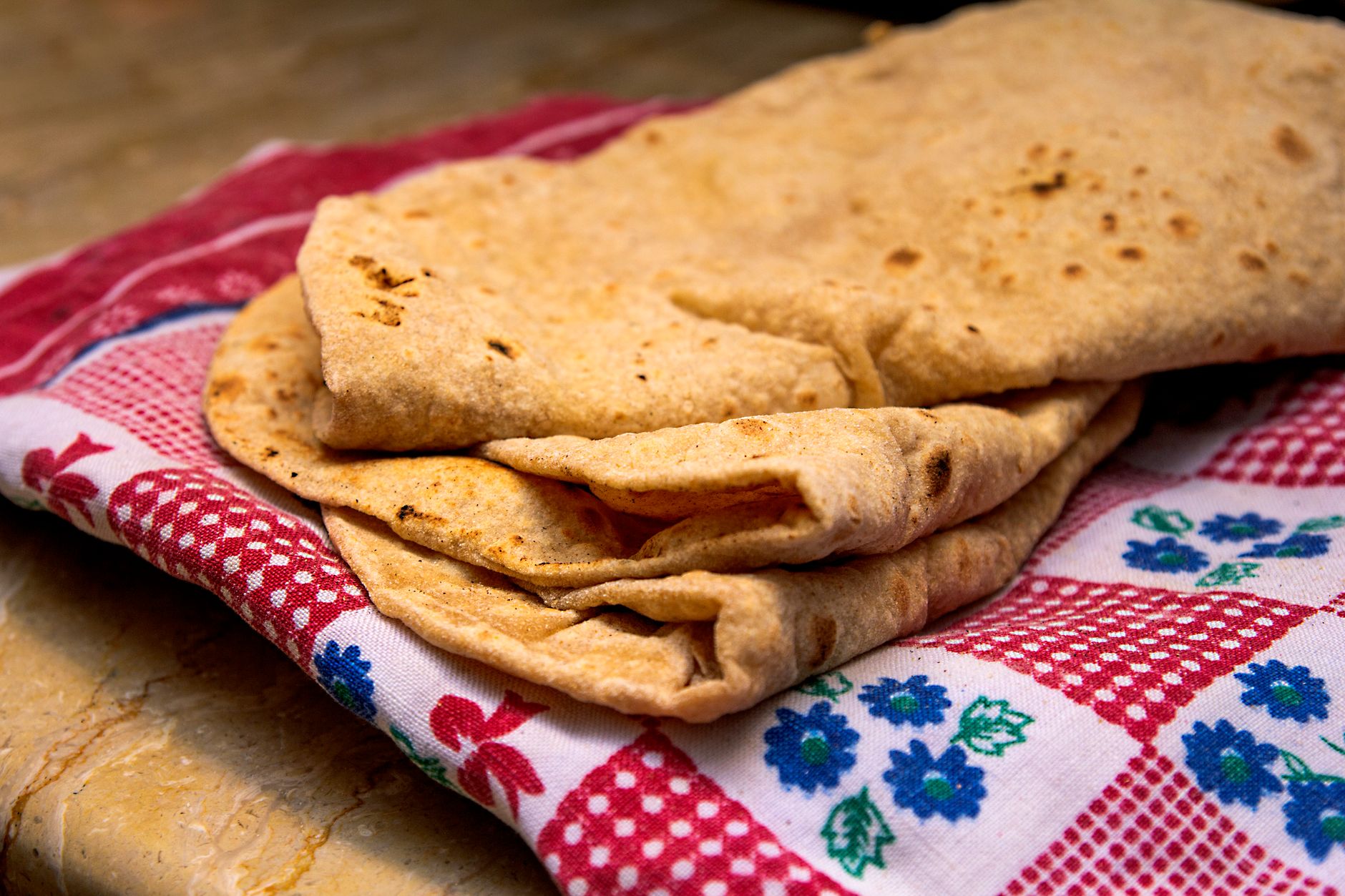
Roti is a type of unleavened flatbread widely enjoyed in various cuisines, particularly in South Asian and Caribbean regions. This simple yet versatile bread is made from whole wheat flour and is a staple in many households. Its soft, chewy texture and mild flavor make it an ideal accompaniment for numerous dishes.
In this article, we will explore what a roti is, its key ingredients, flavor profile, and the best ways to serve it. Whether you’re thinking about making roti at home or want to elevate your meal presentation, this guide has you covered.
What Is a Roti?
Roti is a traditional Indian bread that is cooked on a hot surface, typically a tawa or skillet. It’s often made from whole wheat flour, though variations can be made using other flours or incorporating ingredients like vegetable purees or spices. The cooking method involves rolling the dough into thin discs and cooking it until it puffs up slightly, resulting in a soft and pliable bread. Roti serves as a vehicle for a variety of flavorful dishes, including curries, dals, and sabzis, making it a daily staple in many households.
Key Ingredients of Roti
The primary ingredients for making a traditional roti include:
- Whole Wheat Flour: This is the base of the dough, giving roti its characteristic flavor and texture.
- Water: Used to hydrate the flour and create a workable dough.
- Salt (optional): Adds flavor to the bread, though it is often left out for a more neutral taste.
- Oil or Ghee (optional): While not essential, some recipes include a small amount of fat to enhance the roti’s softness.
Flavor and Texture of Roti
Roti has a mild, nutty flavor that pairs well with both savory and sweet dishes. The texture is soft and slightly chewy, creating a delightful contrast with various fillings and accompaniments. When cooked properly, a well-made roti will puff up, creating a pocket of air that can hold sauces and dips.
How to Make Roti: Step-by-Step Guide
Making roti at home is straightforward and requires minimal equipment. Below is a detailed guide outlining the preparation steps, cooking techniques, and troubleshooting tips.
Yield and Timing
Yield: Approximately 6 to 8 rotis
Preparation Time: 15 minutes
Cooking Time: 10 minutes
Total Time: 25 minutes
Essential Equipment
- Mixing bowl
- Rolling pin
- Flat surface for rolling
- Tawa or skillet for cooking
- Spatula
Ingredients
- 2 cups whole wheat flour
- 3/4 cup warm water (as needed)
- 1/2 teaspoon salt (optional)
- 1 tablespoon oil or ghee (optional)
Method
- Mix the Dough: In a mixing bowl, combine whole wheat flour and salt. Gradually add warm water and mix with your hand or a spoon until the dough begins to come together.
- Knead the Dough: Transfer the dough to a flat surface and knead it for about 5 to 7 minutes until it becomes smooth and elastic. If using oil or ghee, incorporate it during kneading.
- Rest the Dough: Cover the dough with a damp cloth or plastic wrap and let it rest for at least 15 minutes. This allows the gluten to relax, making it easier to roll out.
- Divide the Dough: After resting, divide the dough into equal portions, about the size of a golf ball.
- Roll the Roti: On a lightly floured surface, take one portion of the dough and flatten it slightly. Using a rolling pin, roll it out into a thin circle, about 6 to 8 inches in diameter. Dust with flour to prevent sticking if necessary.
- Cook the Roti: Heat a tawa or skillet over medium-high heat. Once hot, place the rolled-out roti on the surface. Cook for about 30 seconds or until small bubbles form on the surface. Flip the roti with a spatula.
- Puff Up the Roti: After flipping, press the edges gently with a spatula or a clean cloth, encouraging it to puff. Cook for another 30 seconds until light brown spots appear.
- Remove and Store: Once cooked, transfer the roti to a plate covered with a cloth to keep it warm. Repeat the process with the remaining dough portions.
Practical Tips and Variations
Making roti can be simple, but here are some tips and variations to enhance your experience:
Common Mistakes and Troubleshooting
- Roti Not Puffing Up: Ensure that the dough is rolled evenly and slightly thinner. Also, make sure the tawa is hot enough when the roti makes contact.
- Dough is Too Dry: If your dough is crumbly, it could be too dry. Add a little water gradually while kneading to achieve a softer consistency.
- Sticking to the Rolling Surface: Dusting the dough and rolling surface with flour can help prevent sticking.
Flavor Variations
- Spiced Roti: Add spices like cumin, coriander, or turmeric to the dough for added flavor.
- Turmeric Roti: Mix a teaspoon of turmeric into the flour for a vibrant color and a hint of flavor.
- Vegetable Roti: Incorporate pureed spinach, beetroot, or carrots into the dough for additional color and nutrition.
Serving Suggestions
Roti is exceptionally versatile and can be served in many ways:
- With Curries: Serve warm roti alongside any number of curries, allowing the bread to soak up the flavorful sauces.
- With Dals: Roti is perfect for pairing with lentils, creating a wholesome, nourishing meal.
- As a Wrap: Fill roti with grilled vegetables, meats, or paneer for a delicious wrap.
- With Chutney: Spread your favorite chutney or dip, such as yogurt or raita, for additional flavor.
Storage and Reheating
Roti is best enjoyed fresh, but it can be stored for later use:
- Room Temperature: Store cooled roti in an airtight container for up to 2 days at room temperature.
- Refrigeration: For longer storage, refrigerate roti in an airtight container for up to a week. Reheat in a skillet or microwave.
- Freezing: Roti can also be frozen. To freeze, layer parchment paper between each roti and place them in an airtight container. Thaw and reheat as needed.
Conclusion
Roti is a simple and versatile bread that can elevate any meal. Whether you choose to stick to the traditional recipe or experiment with flavors, making roti at home is a rewarding experience. Start with basic roti and explore different spices and ingredients to discover new taste combinations.
If you’re interested in trying other types of flatbreads, you might enjoy making lavash bread or fry bread. Explore these recipes for more delicious bread options that complement a variety of meals.