
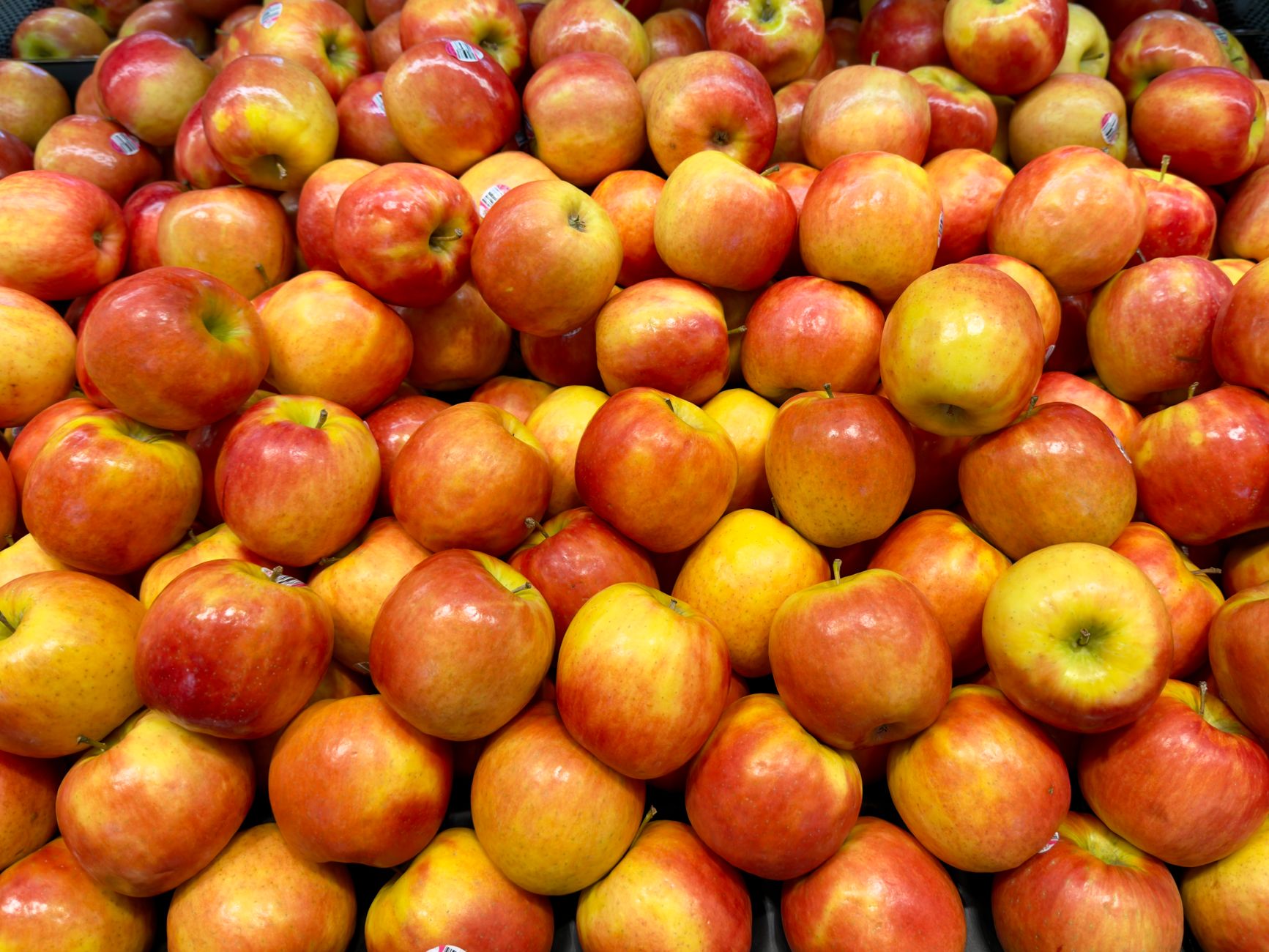
Apples are a popular fruit known for their crisp texture and refreshing flavor. They are often lauded for their health benefits, contributing to a balanced diet with their vitamins, fiber, and various antioxidants. But when it comes to minerals, particularly iron, you might be wondering: do apples have iron?
Understanding the iron content in apples is important for those monitoring their nutrient intake or seeking iron-rich foods. This article will discuss the iron content in apples, their nutritional value, serving sizes, and how they fit into a well-rounded diet.
Do Apples Have Iron?
In short, while apples do contain iron, the amount is relatively low. A medium-sized apple (about 182 grams) contains approximately 0.12 mg of iron. This minimal amount represents only a small fraction of the daily recommended intake of iron for adults.
Iron is a crucial mineral that supports various bodily functions, including oxygen transportation in the blood and muscle metabolism. For those looking to increase their iron intake, it’s essential to know how apples can fit into their overall diet.
Nutritional Profile of Apples
Before delving deeper into their iron content, let’s explore the overall nutritional profile of apples, which can help you appreciate their health benefits.
| Nutrient | Amount in 1 Medium Apple (182g) |
|---|---|
| Calories | 95 |
| Carbohydrates | 25g |
| Fiber | 4g |
| Sugars | 19g |
| Vitamin C | 14% of the RDI |
| Potassium | 6% of the RDI |
| Iron | 0.12mg |
As the table indicates, apples provide notable contributions in calories, carbohydrates, fiber, and vitamin C, but they fall short in iron content, highlighting the need for diverse food sources in your diet.
Why is Iron Important?
Iron plays a vital role in various bodily functions. The most crucial aspects include:
- Oxygen Transport: Iron is a key component of hemoglobin, the protein in red blood cells that carries oxygen from the lungs to the rest of the body.
- Energy Production: Iron helps in the enzymatic processes that produce energy in cells.
- Immune Function: Adequate iron levels are essential for maintaining a healthy immune system.
A deficiency in iron can lead to anemia, characterized by fatigue, weakness, and impaired immune function. This makes including a good variety of iron sources in your diet essential for overall health.
How Much Iron Do You Need?
The recommended dietary allowances (RDA) for iron vary based on age, sex, and life stage:
- Adult men (19-50 years): 8 mg/day
- Adult women (19-50 years): 18 mg/day
- Pregnant women: 27 mg/day
- Breastfeeding women: 9-10 mg/day
- Older adults (51+ years): 8 mg/day
Given the relatively low iron content in apples, it’s the other iron-rich foods that will help meet these recommendations, such as meat, poultry, fish, lentils, beans, and fortified cereals.
Best Sources of Iron
To boost your iron intake effectively, consider incorporating the following foods into your diet:
- Red Meat: Beef, lamb, and liver are excellent sources of heme iron, which is more readily absorbed by the body.
- Poultry: Chicken and turkey also provide heme iron, albeit in smaller quantities compared to red meat.
- Seafood: Oysters, clams, and sardines are particularly rich in iron.
- Legumes: Lentils, chickpeas, and beans are great plant-based sources of non-heme iron.
- Nuts and Seeds: Pumpkin seeds and cashews offer a good amount of non-heme iron.
- Leafy Greens: Spinach, kale, and Swiss chard contain non-heme iron, though it is less bioavailable.
- Fortified Foods: Many breakfast cereals and breads are fortified with iron.
How to Enhance Iron Absorption
It’s not just about consuming iron-rich foods; how you combine them can significantly affect absorption. Here are a few tips:
- Pair with Vitamin C: Consuming vitamin C-rich foods (like oranges, strawberries, or bell peppers) alongside non-heme iron sources can enhance absorption.
- Avoid Iron Inhibitors: Certain compounds found in tea, coffee, and some grains can inhibit iron absorption. Try to limit these at meals high in iron.
- Cook with Cast Iron: Cooking in cast iron cookware can increase the iron content of your food.
Using Apples as a Part of a Balanced Diet
While apples are not high in iron, they bring other essential nutrients to the table. Here are some practical ways to include apples in your diet while ensuring adequate iron levels from other sources:
- Snack with a Twist: Pair apple slices with almond butter or peanut butter to add healthy fats and a bit of protein along with fiber.
- Salads: Incorporate apples into salads with spinach (a source of non-heme iron), nuts, and a citrus dressing to maximize both iron and vitamin C.
- Oatmeal: Add diced apples to oatmeal topped with ground flaxseeds or pumpkin seeds for an iron boost as well as fiber.
- Smoothies: Blend apples with spinach and other iron-rich fruits and vegetables for a nutritious drink.
Apples in Different Varieties
While the nutritional content of all apple varieties remains quite similar, slight variations exist. Below are some common types of apples and their typical uses:
- Fuji: Sweet and crisp, excellent for eating fresh and in salads.
- Granny Smith: Tart flavor, good for baking and cooking, also nutritious when eaten raw.
- Gala: Mildly sweet, perfect for snacking and salads.
- Honeycrisp: Extremely crisp with a sweet-tart balance, ideal for fresh eating.
Regardless of the type, remember to eat the skin on apples to maximize nutrient intake, as most of the fiber and many antioxidants are located there.
Common Misconceptions About Apples and Iron
People often misunderstand the nutritional capabilities of apples, particularly their iron content. Here are a few clarifications:
- Not a Primary Iron Source: While apples may have some iron, relying solely on them for iron intake is not effective.
- Health Benefits Beyond Iron: Apples are great sources of antioxidants and fiber, which contribute to gut health and reduce chronic disease risk.
Easy Apple-Inspired Recipes
This section offers simple recipes that incorporate apples. While these dishes won’t provide significant iron increases, they certainly deliver on flavor and nutrition.
Apple Salad with Spinach
This fresh and vibrant apple salad combines the benefits of apples with iron-rich spinach.
- Ingredients:
- 2 cups fresh spinach
- 1 medium apple, thinly sliced
- 1/4 cup walnuts, chopped
- 1/4 cup feta cheese, crumbled
- 2 tablespoons olive oil
- 1 tablespoon balsamic vinegar
- Salt and pepper to taste
- Instructions:
- In a large bowl, combine spinach, sliced apple, walnuts, and feta cheese.
- In a separate small bowl, whisk together olive oil, balsamic vinegar, salt, and pepper.
- Drizzle the dressing over the salad and toss gently to combine.
- Serve immediately.
Baked Apples with Cinnamon
This cozy dessert showcases the natural sweetness of apples.
- Ingredients:
- 4 medium apples, cored
- 1/4 cup oats
- 1/4 cup brown sugar
- 1 teaspoon cinnamon
- 4 tablespoons butter
- Instructions:
- Preheat the oven to 350°F (175°C).
- In a bowl, combine oats, brown sugar, and cinnamon.
- Stuff each apple with the oat mixture and place in a baking dish.
- Top each apple with a tablespoon of butter.
- Bake for about 25-30 minutes or until the apples are tender.
Storing Apples for Optimal Freshness
To enjoy apples at their best quality, proper storage is key. Here are some tips:
- Refrigerate: Store apples in the crisper drawer of your refrigerator. They do best at cooler temperatures.
- Avoid Ethylene Gas: Keep apples away from ethylene-producing fruits, such as bananas, to prevent early ripening.
- Use within a Few Weeks: For optimal freshness, consume apples within a few weeks of purchasing, although they can last longer if stored correctly.
Conclusion
While apples offer a modest amount of iron, their health benefits extend well beyond this mineral. They can add valuable fiber, vitamin C, and a delightful crunch to many dishes. To ensure adequate iron intake, complement your apple consumption with other iron-rich foods, paying attention to combining them with vitamin C for optimal absorption.
For more recipes or tips on nutrition, feel free to explore our delicious apple pie filling recipe and learn what else has iron to enhance your meals.