
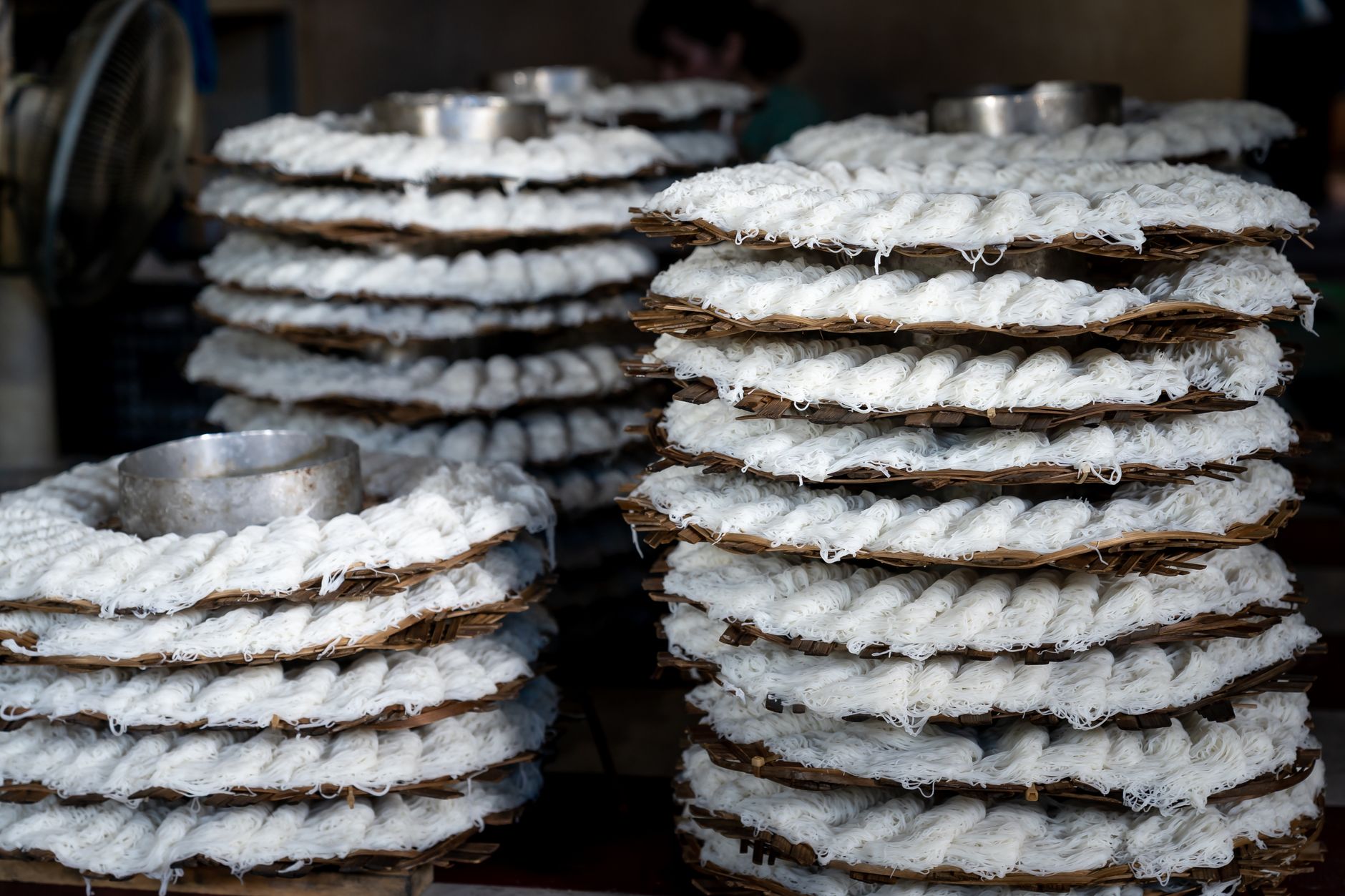
Rice noodles, a staple in many Asian cuisines, are loved for their delicate texture and ability to absorb flavors. They are made primarily from rice flour, water, and sometimes tapioca starch, which gives them their distinct chewiness. Understanding how rice noodles are made can elevate your cooking and inspire a variety of delicious dishes.
This article will explore the ingredients, methods, and tips used in the production of rice noodles, as well as provide ideas for their use in cooking. Let’s dive into the fascinating world of rice noodle creation.
How Are Rice Noodles Made?
Rice noodles are made by combining rice flour with water, forming a batter that is then steamed or dried. The resulting noodles can vary in thickness and texture depending on the method used and the types of rice flour available. Understanding the process will help you appreciate their culinary versatility.
Essential Ingredients for Rice Noodles
The main ingredients for making rice noodles include:
- Rice Flour: The primary ingredient used to form the noodles. It provides the base structure.
- Water: Needed to hydrate the rice flour and form a cohesive batter.
- Tapioca Starch: Often added to enhance the chewiness and elasticity of the noodles.
- Salt: Used to enhance flavor, although it can be omitted for a more neutral taste.
Different Types of Rice Noodles
Rice noodles come in various forms, commonly classified by their thickness and preparation method:
- Flat Rice Noodles: Wide and flat noodles, often used in dishes like Pad Thai or chow fun.
- Vermicelli: Thin rice noodles, often used in soups or cold salads.
- Rice Paper: Used for spring rolls, these are thin sheets made from a similar batter.
- Ban Mian: A thicker variety that is often used in stir-fries and soups.
Equipment Needed to Make Rice Noodles
To make rice noodles, you will need the following equipment:
- Mixing Bowl: For mixing the rice flour, water, and tapioca starch.
- Steamer or Pot: For cooking the noodle batter.
- Spatula or Spoon: For spreading the batter in the steamer.
- Measuring Cups and Spoons: For accurate measurement of ingredients.
- Knife or Scissors: For cutting the cooked noodles.
Step-by-Step Instructions for Making Rice Noodles
Follow these detailed steps to make rice noodles at home:
- Prepare the Ingredients: Measure out the rice flour, tapioca starch (if using), and water. Use a ratio of about 1 part tapioca starch to 2 parts rice flour to achieve a great texture.
- Mix the Batter: Combine the rice flour and tapioca starch in a mixing bowl. Gradually add the water, stirring continuously until you achieve a smooth, thick batter. It should be pourable but not too watery.
- Set Up Your Steaming System: Fill a pot or steamer with water and bring it to a boil. Prepare a flat, heatproof tray or pan lined with parchment paper where the batter can be spread.
- Spread the Batter: Pour a thin layer of the batter into the tray, using a spatula or spoon to spread it evenly. The batter should be about 1/8 inch thick for best results.
- Steam the Noodles: Place the tray in the steamer and cover it with a lid. Steam for about 5 to 8 minutes or until the noodles are firm and translucent. Check for doneness by lightly lifting an edge.
- Cool and Cut the Noodles: Remove the tray from the steamer and let the noodles cool for a few minutes. Once slightly cooled, carefully peel the noodles from the tray. Use a knife or scissors to cut them into desired lengths.
- Repeat: Continue the process with the remaining batter until all the noodles are cooked.
Cooking with Rice Noodles
Once your rice noodles are made, they can be used in a myriad of dishes. Here are some ideas:
- Stir-Fries: Combine your cooked rice noodles with vegetables and a protein like chicken, shrimp, or tofu, then toss them in a savory sauce.
- Soups: Add the noodles to broths with herbs, meats, and vegetables for a warming bowl of goodness.
- Salads: Use room-temperature rice noodles in cold salads with fresh greens, grilled chicken, and a zesty vinaigrette.
- Spring Rolls: Wrap cooked noodles with a variety of fillings in rice paper for fresh, healthy bites.
Practical Tips for Working with Rice Noodles
Here are some helpful tips when making and cooking rice noodles:
- Choose Quality Rice Flour: The type of rice flour can significantly impact the texture of the noodles. Look for fine, gluten-free rice flour for the best results.
- Practice Patience: Steaming the noodles takes some time and careful attention. Don’t rush through this process to ensure great texture and flavor.
- Add Flavor: Consider flavoring the noodle batter with a bit of salt or even a splash of soy sauce for added depth.
- Store Properly: Fresh homemade noodles can be stored in an airtight container in the refrigerator for up to 3 days. To prolong their shelf life, consider freezing them in portions.
Common Mistakes and Troubleshooting
While making rice noodles, you may encounter some common issues:
- Sticking Noodles: If the noodles stick together, ensure they are cooled properly before storage. A light oil can also help prevent sticking.
- Too Thick or Thin: Adjust the water amounts for your next batch if the batter is either too thick to spread or too runny. Aim for a pourable texture.
- Uneven Cooking: Ensure even heat distribution while steaming. Also, don’t overcrowd the steamer to avoid uneven cooking.
Variations of Rice Noodles
Rice noodles can be enhanced or modified based on personal taste or dietary needs:
- Add Spices: Incorporate spices like turmeric or chili powder into the batter for a flavor kick and added color.
- Incorporate Vegetables: Pureeing vegetables into the batter can add nutrients and natural color; consider beet juice or spinach puree.
- Different Flours: For a slightly different texture, experiment with a mix of rice flour and other gluten-free flours like millet or cassava flour.
Making Rice Noodles in Bulk
If you’re a fan of rice noodles, consider making them in bulk. This approach can save time and allow you to enjoy rice noodles anytime you want. When doing so, here are some additional tips:
- Batch Cooking: Double or triple the recipe, keeping the cooking process streamlined. Prepare several trays and stack them in the steamer.
- Freezing: After cooling, portion the noodles into bags, ensuring to remove as much air as possible before sealing. They can be frozen for up to a month.
- Reheating: When ready to use, thaw the noodles overnight in the refrigerator, or directly add them to soups without thawing.
Final Thoughts: Enjoying Your Homemade Rice Noodles
Making rice noodles brings the unique taste and texture of this staple food right to your kitchen. By experimenting with different styles and recipes, you can create a wide array of dishes that satisfy your cravings. Whether you use them in stir-fries, soups, or salads, homemade rice noodles will elevate your culinary creations.
For more delicious recipes that incorporate rice noodles, try making Chow Fun or explore the flavors of Bun Bo Hue.