
There’s something undeniably comforting about the aroma of freshly baked Lagana wafting through the house. This traditional Greek flatbread, often enjoyed during Lent, offers a delightful combination of a crunchy crust and soft, airy interior that makes it perfect for dipping or savoring on its own. With its simple ingredients and straightforward method, making Lagana at home is not just rewarding; it also brings a taste of tradition to your table.
Why You’ll Love This Recipe
This recipe is a true gem for bread lovers and anyone keen to explore Greek cuisine.
- Simple ingredients you likely have on hand.
- Perfectly crispy on the outside and soft on the inside.
- Great for pairing with dips or as a sandwich base.
- A wonderful way to celebrate Easter traditions.
- Customizable with toppings like sesame seeds or herbs.
My Experience Making This Recipe
When I first tried making Lagana, I was a bit intimidated by bread-making, but the process turned out to be surprisingly enjoyable. The dough came together easily, and the smell of baking bread filled my kitchen, which made me feel like a true baker.
My family couldn’t resist the warm bread right out of the oven, and seeing their smiles made the effort worthwhile. Each bite was met with a chorus of approval, and I knew I had found a recipe worth repeating.
Recipe Overview
- Recipe Name: Lagana
- Servings: 8
- Prep Time: 30 minutes
- Cook Time: 25 minutes
- Total Time: 55 minutes
- Course: Bread
- Cuisine: Greek
- Calories per Serving: 150
Equipment You Will Need
- Mixing bowl
- Measuring cups and spoons
- Wooden spoon or dough scraper
- Baking sheet
- Parchment paper (optional)
- Clean kitchen towel
Ingredients for Lagana
- 4 cups all-purpose flour
- 1 ½ cups warm water (about 110°F)
- 1 packet active dry yeast (2 ¼ teaspoons)
- 2 teaspoons salt
- 2 tablespoons olive oil
- 1 tablespoon sugar
- Sesame seeds for topping (optional)
Ingredient Notes and Substitutions
- All-purpose flour: This gives the bread its structure. You can substitute with whole wheat flour for a denser bread.
- Active dry yeast: Essential for leavening. Fresh yeast can be used, but you’ll need to adjust the quantity.
- Olive oil: Adds flavor and moisture. Vegetable oil can work, but the taste will differ.
How to Make Lagana
Step 1: Activate the Yeast
In a small bowl, combine the warm water, sugar, and yeast. Let it sit for about 5-10 minutes until it becomes frothy, indicating the yeast is active.
Step 2: Prepare the Dough
In a large mixing bowl, combine the flour and salt. Make a well in the center and pour in the activated yeast mixture and olive oil.
Step 3: Mix the Ingredients
Using a wooden spoon or your hands, mix until a dough begins to form. It should be slightly sticky but manageable.
Step 4: Knead the Dough
Turn the dough out onto a floured surface and knead for about 8-10 minutes. This develops gluten, giving the bread structure.
Step 5: First Rise
Place the dough in a lightly greased bowl, cover it with a clean kitchen towel, and let it rise in a warm place for about 1 hour. It should double in size.
Step 6: Shape the Loaves
Once risen, punch down the dough gently to release air. Divide it into two equal portions and shape each into a flat oval about 1 inch thick.
Step 7: Second Rise
Place the shaped loaves on a baking sheet lined with parchment paper. Cover them again with a towel and let them rise for another 30 minutes.
Step 8: Preheat and Bake
Preheat your oven to 375°F (190°C). Just before baking, sprinkle sesame seeds on top if desired, then bake for 25 minutes until golden brown.
Pro Tip: For an extra crispy crust, place a shallow pan of water in the oven while baking.
Tips for the Best Lagana
- Ensure your water is warm, not hot, to avoid killing the yeast.
- For added flavor, try mixing in herbs like oregano or rosemary into the dough.
- Let the bread cool on a wire rack to maintain its texture.
- Experiment with toppings like za’atar or garlic for a flavor twist.
- Use high-quality olive oil for richer taste.
Common Mistakes to Avoid
- Using cold water can hinder yeast activation, resulting in flat bread.
- Skipping the kneading step can lead to dense, heavy bread.
- Not letting the dough rise long enough will affect the texture.
- Baking at too low a temperature may prevent a proper crust from forming.
Serving Suggestions
Enjoy your Lagana warm, fresh out of the oven, or as part of a larger meal.
- Pair with hummus or tzatziki for a delicious dip.
- Use it to make sandwiches or wraps for a unique twist.
- Serve alongside salads for a hearty addition.
- Top with your favorite spreads for a quick snack.
Variations to Try
- Add whole wheat flour for a nuttier flavor and a denser texture.
- Incorporate seeds like flax or chia into the dough for added nutrition.
- Swirl in some herbs like dill or thyme for extra flavor.
- Try a sweet version by adding a touch of honey and cinnamon.
Dietary Adaptations
- Gluten-free: Substitute with a gluten-free flour blend, but results may vary.
- Dairy-free: This recipe is naturally dairy-free; no adjustments needed.
- Vegan: It’s vegan-friendly as it contains no animal products.
- Low-carb/keto: Substitute with almond flour, but be aware of texture changes.
Storage and Reheating
Refrigerator
Store leftover Lagana in an airtight container at room temperature for up to 2 days.
- Wrap in foil or parchment paper to keep it fresh.
- Reheat in the oven for a few minutes to restore crispness.
Freezer
You can freeze Lagana for up to 3 months. Wrap it tightly in plastic wrap and then foil.
- Thaw in the refrigerator overnight before reheating.
Reheating
For the best texture, reheat in the oven rather than the microwave.
- Place in a preheated oven at 350°F (175°C) for about 10 minutes.
Nutrition Information
| Nutrient | Amount |
|---|---|
| Calories | 150 |
| Total Fat | 4g |
| Saturated Fat | 0.5g |
| Carbohydrates | 25g |
| Fiber | 1g |
| Sugar | 1g |
| Protein | 4g |
| Sodium | 200mg |
| Cholesterol | 0mg |
This nutrition information is an estimate and may vary based on specific ingredients used.
Frequently Asked Questions
Can I make Lagana ahead of time?
Yes, you can prepare the dough in advance and refrigerate it overnight before baking.
What if my dough doesn’t rise?
This could be due to inactive yeast. Always check the expiration date and use warm water to activate it.
Can I freeze Lagana?
Absolutely! Wrap it tightly and freeze for up to 3 months.
Why is my bread dense?
A dense texture can result from not kneading enough or not letting it rise long enough.
What toppings can I add to Lagana?
Try sesame seeds, herbs, or even cheese before baking for a flavorful twist.
Final Thoughts
Making Lagana is not just about enjoying delicious bread; it’s about connecting with tradition and creating memories with loved ones. I encourage you to give this recipe a try and savor the warmth it brings to your home.
If you’re interested in exploring more delightful recipes, check out this Million Dollar Lasagna or this Sheet Pan Lasagna. Happy baking!
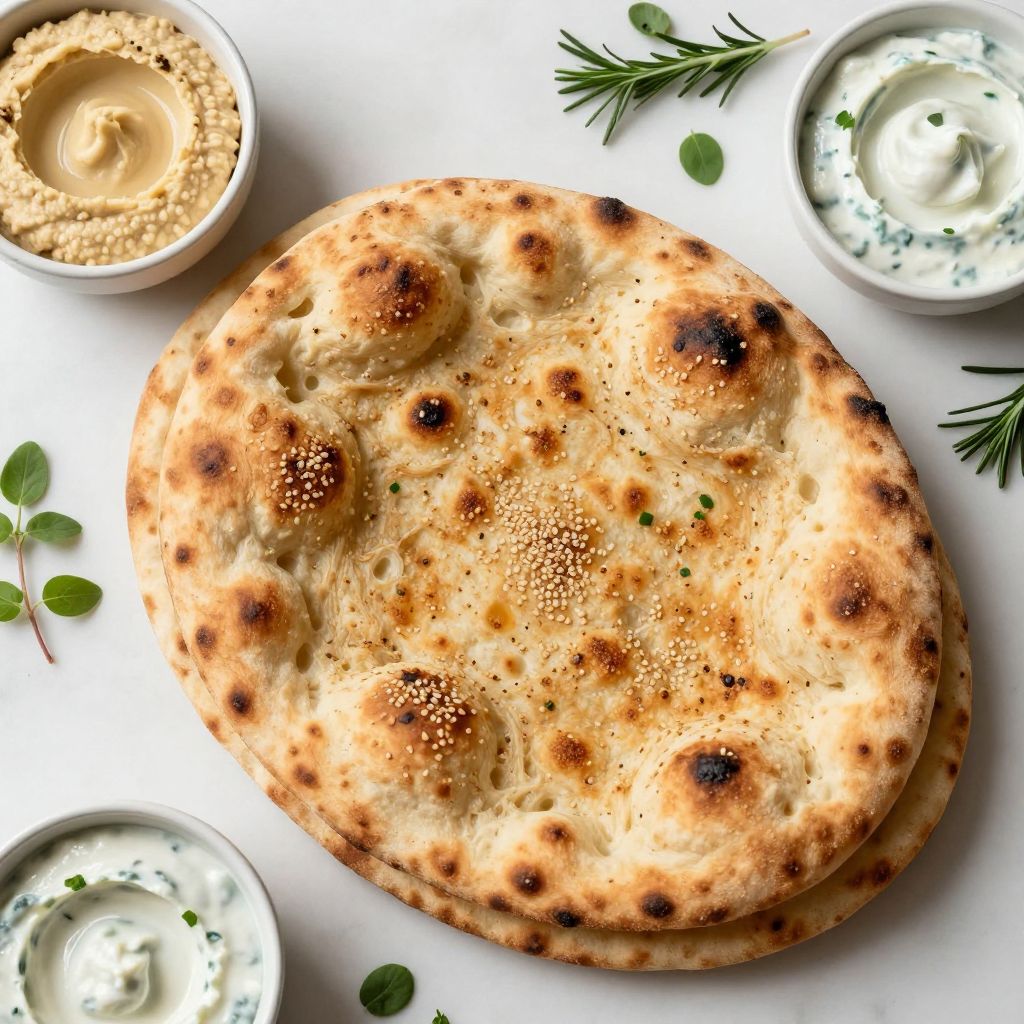
Lagana
Ingredients
Equipment
Method
- In a small bowl, combine the warm water, sugar, and yeast. Let it sit for about 5-10 minutes until it becomes frothy.
- In a large mixing bowl, combine the flour and salt. Make a well in the center and pour in the activated yeast mixture and olive oil.
- Using a wooden spoon or your hands, mix until a dough begins to form.
- Turn the dough out onto a floured surface and knead for about 8-10 minutes.
- Place the dough in a lightly greased bowl, cover it with a clean kitchen towel, and let it rise for about 1 hour.
- Once risen, punch down the dough gently and divide it into two portions, shaping each into a flat oval about 1 inch thick.
- Place the shaped loaves on a baking sheet lined with parchment paper and let them rise for another 30 minutes.
- Preheat your oven to 375°F (190°C). Just before baking, sprinkle sesame seeds on top.
- Bake for 25 minutes until golden brown.