
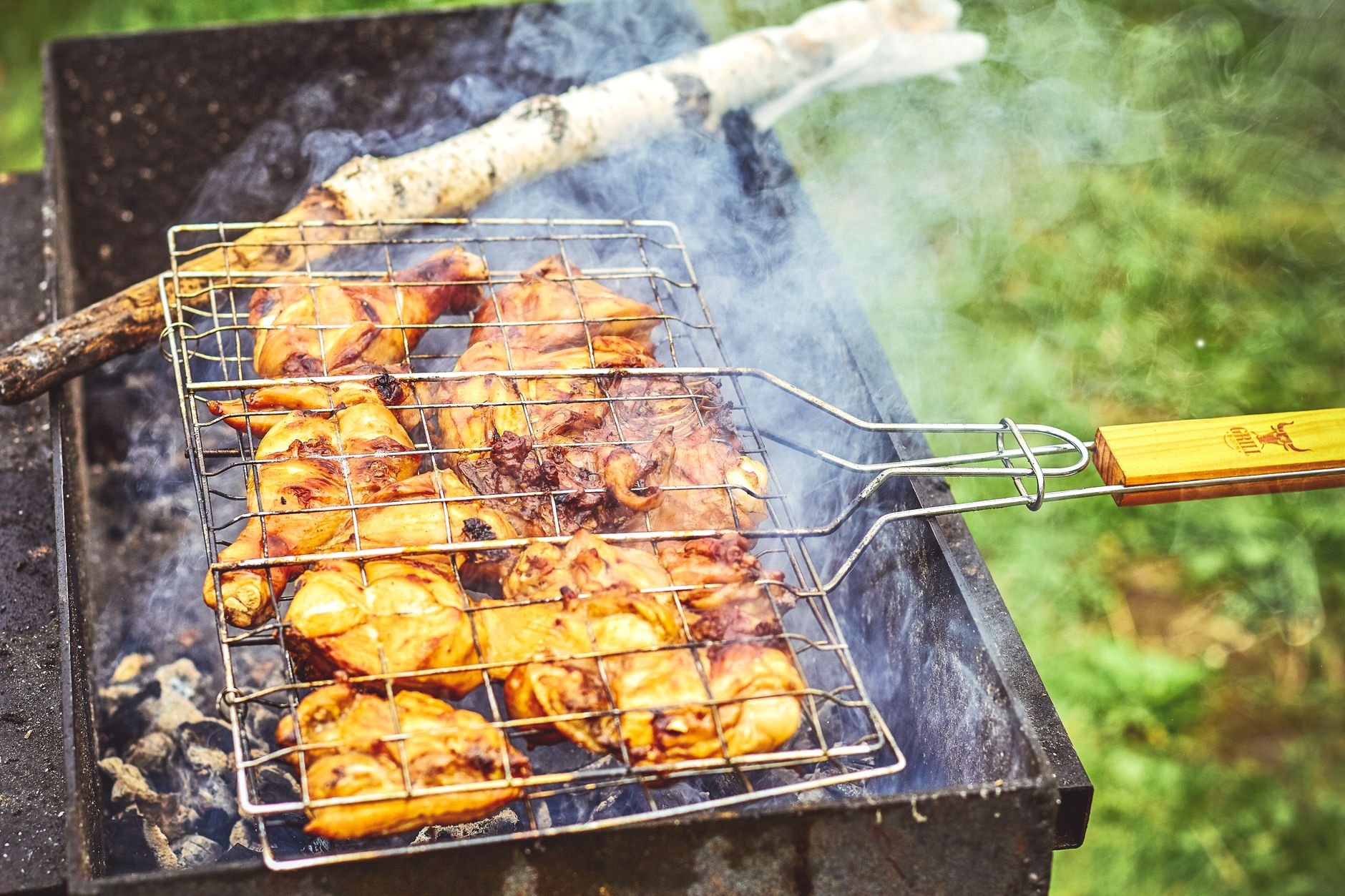
Grilling chicken is one of the most popular cooking methods, especially during summer barbecues and family gatherings. It’s a versatile option that allows for a variety of flavors and styles. However, getting the timing just right can be a challenge for many cooks. Understanding how long to cook chicken on the grill is essential for achieving perfectly cooked, juicy meat without the risk of dryness or undercooking.
In this guide, we will explore the different factors affecting cooking time, include grilling techniques, discuss doneness tips, and provide essential equipment recommendations. Whether you’re grilling chicken breasts, thighs, or whole birds, we’ll cover everything you need to know to serve up a delicious grilled chicken dish.
How Long to Cook Chicken on Grill?
The cooking time for grilled chicken varies based on factors such as the cut of chicken, thickness, cooking temperature, and whether you are using bone-in or boneless pieces. On average, boneless chicken breasts take 6 to 8 minutes per side, while bone-in pieces could require 30 to 40 minutes total, depending on their size. Always use a meat thermometer to ensure the internal temperature reaches 165°F (75°C) for safe consumption.
Factors That Impact Cooking Time
A variety of elements influence how long it takes to cook chicken on the grill. Understanding these elements will help you plan and execute your grilling perfectly.
1. Type of Chicken
Different chicken cuts have varying thicknesses and bone densities, which affect cooking times:
- Boneless Chicken Breasts: Typically cook faster due to their smaller size and lack of bones.
- Bone-in Chicken Breasts: Take longer because the bone conducts heat more slowly.
- Chicken Thighs: Boneless thighs take about the same time as breasts, but bone-in thighs take longer.
- Whole Chickens: Require significantly more time, averaging around 1.5 to 2 hours, depending on size.
2. Thickness of Chicken
The thickness of the chicken pieces directly impacts cooking time. Thinner pieces cook quicker, while thicker cuts need more time to reach the required internal temperature.
3. Grilling Temperature
The heat of your grill plays a crucial role. Most grilling is done at medium to medium-high heat, generally between 350°F (175°C) and 450°F (232°C). Higher temperatures cook the exterior quickly but can lead to undercooked interiors if not monitored.
4. Direct vs. Indirect Heat
Using direct heat means placing chicken directly over the flame, while indirect heat involves cooking with the lid closed and chicken placed away from the flames. Often, a combination of both methods works best, allowing the chicken to get a nice sear before finishing cooking through indirect heat.
5. Marination and Seasoning
Marinated or seasoned chicken may cook slightly differently due to moisture content and the nature of the marinade. Oils will add fat, which helps conduct heat but may affect final cooking time as well.
Grilling Techniques
Mastering the right grilling technique can elevate the flavor and texture of your chicken. Here are a few effective methods:
1. Direct Grilling
This method is suitable for smaller cuts like breasts or thighs. Follow these steps for success:
- Preheat the grill to medium-high.
- Lightly oil your grill grates to prevent sticking.
- Season your chicken as desired.
- Place the chicken on the grill, cooking for the recommended time based on the cut.
- Flip the chicken halfway through the cooking time for even grilling.
2. Indirect Grilling
For larger cuts or whole chickens, indirect grilling is more effective:
- Prepare the grill for indirect heat by placing coals or burners on one side only.
- Season the chicken and place it on the cooler side of the grill.
- Close the lid and monitor the internal temperature, cooking until it reaches 165°F (75°C).
3. Using a Meat Thermometer
Regardless of the grilling method, using a meat thermometer is crucial in ensuring proper doneness:
- Insert the thermometer into the thickest part of the chicken, avoiding bone.
- Wait for a few seconds until the reading stabilizes.
- Remove chicken from the grill once it reaches the safe internal temperature of 165°F (75°C).
Doneness Tips for Grilled Chicken
Knowing when chicken is cooked can sometimes be tricky. Here are a few tips to help judge doneness effectively:
1. Color
While color shouldn’t be the only indicator of doneness, it can still provide some guidance. Chicken should be opaque and white throughout. Pink areas or translucent juices can indicate that the chicken needs more cooking time.
2. Juices
When you pierce the chicken, the juices should run clear. If the juices are pink, it requires additional cooking.
3. Texture
Properly cooked chicken should be firm but not dry. It should spring back when touched rather than feeling squishy.
Common Mistakes When Grilling Chicken
1. Not Preheating the Grill
Starting on a cold grill can lead to sticking and uneven cooking. Always preheat your grill before adding the chicken.
2. Overcrowding the Grill
Give your chicken ample space to allow for even cooking. Overcrowding can lead to steaming instead of grilling.
3. Flipping Too Often
Resist the temptation to flip the chicken frequently. Allow it to sear for a couple of minutes before flipping to ensure proper grill marks and caramelization.
4. Skipping the Resting Period
Letting chicken rest for a few minutes after grilling allows the juices to redistribute, ensuring moist meat. Skipping this step can result in dry chicken.
Suggested Cooking Times for Different Cuts of Chicken
| Chicken Cut | Cooking Time (minutes) |
|---|---|
| Boneless Chicken Breasts | 6-8 per side |
| Bone-in Chicken Breasts | 30-40 total |
| Boneless Thighs | 6-7 per side |
| Bone-in Thighs | 15-20 total |
| Whole Chicken | 1.5-2 hours |
Essential Equipment for Grilling Chicken
Having the right tools can make a significant difference in your grilling experience:
- Grill: Whether gas, charcoal, or electric, choose one that suits your cooking style.
- Meat Thermometer: Essential for ensuring chicken is cooked to safe temperatures.
- Basting Brush: Use for applying marinades and sauces to add extra flavor.
- Grill Tongs: Ideal for flipping chicken without piercing and losing juices.
- Grill Basket: Perfect for cooking smaller pieces or vegetables alongside chicken.
Marinating Chicken for Grilling
Marinating chicken enhances flavor and tenderness. Here are some tips and ideas for marinating:
1. Time
Marinate chicken for at least 30 minutes; however, longer marination, up to 24 hours, will yield more flavor and tenderness.
2. Simple Marinade Ideas
- Oil and Vinegar: Mix olive oil, vinegar, and your favorite herbs for an easy marinade.
- Citrus Marinade: Combine lemon or lime juice, garlic, and soy sauce for a zesty flavor.
- Spicy Marinade: Use hot sauce or chili powder along with lime juice for heat.
3. Avoiding Over-marination
Acidic marinades can break down meat fibers too much, resulting in mushy chicken. Monitor the marination time to avoid this issue.
Serving Suggestions
Here are some creative serving ideas to accompany your grilled chicken:
- Grilled Vegetables: Serve with a medley of grilled peppers, zucchini, and corn.
- Fresh Salads: Pair grilled chicken with a refreshing salad or coleslaw.
- Whole Grains: Serve alongside rice, couscous, or quinoa to make a heartier meal.
- BBQ Sauce: Offer different sauces, including barbecue, teriyaki, or tzatziki, for added flavor.
Make-Ahead and Storage Tips
If you’re planning ahead, consider these storage and reheating tips:
1. Pre-cooked Chicken
Grilled chicken can be prepared in advance and stored. Allow it to cool completely before wrapping tightly in plastic wrap or placing it in an airtight container.
2. Refrigeration
Store grilled chicken in the refrigerator for up to 3-4 days.
3. Freezing
For longer storage, place in the freezer, where it can last for up to 6 months. Thaw in the refrigerator before reheating.
4. Reheating
When reheating, do so gently to prevent drying. Consider wrapping in foil and reheating in a low oven or using a microwave with a cover.
Grilling chicken can seem daunting at first, but with the right knowledge and techniques, it can be a straightforward and rewarding experience. By paying attention to cooking times and using a meat thermometer, you’ll end up with juicy, delicious chicken every time. Timing is crucial, so invest in good tools and don’t rush the process.
If you want to explore more about cooking turkey or air frying chicken thighs, consider visiting our guides on how to cook turkey and air frying chicken thighs for even more insight and tips.